
The best educational science reference book for most families is the DK Science Encyclopedia (Revised Edition), because it covers the widest range of topics with the depth to stay useful from late elementary through middle school. Close behind are the Usborne Science Encyclopedia, which goes deeper on physics and biology for confident readers, and the National Geographic Kids Science Encyclopedia, which wins on browsing appeal for reluctant readers. The main tradeoff in this category is age fit versus longevity: books written for seven-year-olds are engaging but outgrown quickly, while denser references last years but can intimidate beginners. Price also varies sharply, from single-volume paperbacks under $15 to six-book box sets. Read on for the full breakdown of all 14 titles.

Prime made for students and young adults
- Fast, free delivery for dorm and study essentials
- Prime Video and Amazon Music included
- Member-only deals
Key Takeaways
- DK and Usborne dominated the top of the rankings because their revisions stay current with curriculum topics, while several generic ‘Science Encyclopedia‘ titles felt dated or redundant.
- The Knowledge Encyclopedia series appears four times in this lineup; only the Science! 2nd Edition truly earns its price — the older edition and Inventions volume serve narrower niches.
- Visual-heavy books like The Elements Book and the NatGeo Kids encyclopedia are the strongest picks for reluctant readers, but they sacrifice the systematic coverage homework requires.
- The six-book box set delivers the lowest cost per page in the roundup, yet its uncredited authorship and inconsistent illustrations make it a value gamble compared with a single DK volume.
- The Usborne Illustrated Dictionary of Science is the only true study reference here — best bought for exam prep rather than browsing, since it assumes readers already know the basics.
| The Elements Book: A Visual Periodic Table Encyclopedia for Kids |  | Best Deep-Dive on a Single Subject | Subject Focus: Periodic table and chemical elements | Format: Visual encyclopedia with photographs | Reading Level: Middle-grade (roughly 8–12) | VIEW LATEST PRICE | See Our Full Breakdown |
| Knowledge Encyclopedia: Inventions and Discoveries for Children |  | Best for History-Minded Kids | Subject Focus: Inventions and scientific discoveries | Format: Illustrated children’s encyclopedia | Reading Level: Elementary to early middle grade | VIEW LATEST PRICE | See Our Full Breakdown |
| Encyclopedia of Science |  | Best Overall Reference | Subject Focus: General science, all major disciplines | Format: Comprehensive reference encyclopedia | Reading Level: Middle grade and up | VIEW LATEST PRICE | See Our Full Breakdown |
| First Science Encyclopedia (DK First Reference) |  | Best for Young Beginners | Subject Focus: General science introduction | Format: Illustrated first-reference encyclopedia | Reading Level: Early readers, ages 5–8 | VIEW LATEST PRICE | See Our Full Breakdown |
| The Usborne Illustrated Dictionary of Science |  | Best for Quick Lookups | Subject Focus: Scientific terms and concepts | Format: Illustrated dictionary | Organization: Alphabetical entries | VIEW LATEST PRICE | See Our Full Breakdown |
| Knowledge Encyclopedia – Science for Children |  | Best for Early Readers | Format: Hardcover children’s encyclopedia | Audience: Children, early elementary | Content Style: Illustration-led, simple explanations | VIEW LATEST PRICE | See Our Full Breakdown |
| The Usborne Science Encyclopedia: An In-depth Guide for Young Scientists Exploring Gravity, Flight, Genes, DNA and More |  | Best for Multimedia Learners | Format: Illustrated encyclopedia with digital companion | Audience: Young scientists, roughly 8-14 | Multimedia: 180+ video clips | VIEW LATEST PRICE | See Our Full Breakdown |
| DK Science Encyclopedia (Revised Edition) |  | Best Classic Classroom Reference | Format: Hardcover revised edition | Audience: Students and general readers | Coverage: Comprehensive across major science fields | VIEW LATEST PRICE | See Our Full Breakdown |
| Knowledge Encyclopedia Science! 2nd Edition |  | Best Overall | Format: Hardcover encyclopedia, 2nd Edition | Audience: Learners of all ages | Coverage: Broad range of scientific topics | VIEW LATEST PRICE | See Our Full Breakdown |
| Science Encyclopedia | 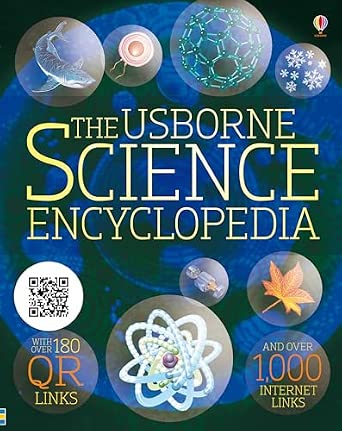 | Best Value Pick | Format: Print encyclopedia | Audience: Students and general readers | Coverage: Comprehensive across science fields | VIEW LATEST PRICE | See Our Full Breakdown |
| Science Knowledge Encyclopedia for Children: Collection of 6 Books (Box Set) |  | Best Value Box Set | Format: Paperback box set | Number of books: 6 | Genre: Children’s educational science | VIEW LATEST PRICE | See Our Full Breakdown |
| Knowledge Encyclopedia Human Body! Human Anatomy as You’ve Never Seen It Before |  | Best Deep-Dive for a Single Subject | Format: Hardcover | Publisher: DK Children | Subject focus: Human anatomy and biology | VIEW LATEST PRICE | See Our Full Breakdown |
| National Geographic Kids Science Encyclopedia: Atom Smashing, Food Chemistry, Animals, Space, and More! |  | Best for Younger Browsers | Format: Hardcover | Publisher: National Geographic Kids | Reading level: Approximately 7–10 years | VIEW LATEST PRICE | See Our Full Breakdown |
| Knowledge Encyclopedia Science! |  | Best All-Around Science Reference | Format: Hardcover | Publisher: DK | Series: Knowledge Encyclopedia | VIEW LATEST PRICE | See Our Full Breakdown |
| educational science reference book | Format | Reading Level | Publisher |
|---|---|---|---|
| The Elements Book: A Visual Pe | Visual encyclopedia with photographs | Middle-grade (roughly 8–12) | DK Children |
| Knowledge Encyclopedia: Invent | Illustrated children’s encyclopedia | Elementary to early middle grade | — |
| Encyclopedia of Science | Comprehensive reference encyclopedia | Middle grade and up | — |
| First Science Encyclopedia | Illustrated first-reference encyclopedia | Early readers, ages 5–8 | — |
| The Usborne Illustrated Dictio | Illustrated dictionary | Upper elementary to middle school | Usborne |
| Knowledge Encyclopedia | Hardcover children’s encyclopedia | — | — |
| The Usborne Science Encycloped | Illustrated encyclopedia with digital companion | — | Usborne |
| DK Science Encyclopedia | Hardcover revised edition | — | DK |
| Knowledge Encyclopedia Science | Hardcover encyclopedia, 2nd Edition | — | — |
| Science Encyclopedia | Print encyclopedia | — | — |
| Science Knowledge Encyclopedia | Paperback box set | — | — |
| Knowledge Encyclopedia Human B | Hardcover | Approximately 8–14 years and up | DK Children |
| National Geographic Kids Scien | Hardcover | Approximately 7–10 years | National Geographic Kids |
| Knowledge Encyclopedia Science | Hardcover | Approximately 9–14 years | DK |
More Details on Our Top Picks
The Elements Book: A Visual Periodic Table Encyclopedia for Kids
Most books in this roundup cast a wide net across all of science, but this one goes deep on a single topic: the periodic table. That focus is its greatest strength. Instead of a paragraph per subject, every element gets its own visual spread, with photographs and context that make abstract chemistry tangible. Compared with the First Science Encyclopedia, which touches chemistry briefly among dozens of topics, this book actually teaches the periodic table properly. The tradeoff is obvious — buyers wanting broad coverage across biology, physics, and space will need a second book. It also stops short of the technical depth a high-school chemistry student would want, so it works best as a companion volume rather than a standalone reference.
Pros:- Every element gets dedicated visual treatment rather than a passing mention
- Photographs of real samples make abstract elements concrete
- Strong companion to school chemistry curriculum
- Accessible enough for independent browsing
Cons:- Single-subject scope means no coverage of physics, biology, or earth science
- Too basic for high-school or advanced chemistry students
Best for: Curious kids ages 8–12 who are fascinated by chemistry or starting to learn the periodic table in school
Not ideal for: Families wanting one all-purpose science reference — this covers only the elements and nothing else
- Subject Focus:Periodic table and chemical elements
- Format:Visual encyclopedia with photographs
- Reading Level:Middle-grade (roughly 8–12)
- Publisher:DK Children
- Approach:Element-by-element visual spreads
- Role in Library:Supplemental chemistry reference
Our verdict“A smart second purchase for kids who already own a general encyclopedia and want chemistry explained properly.”
Knowledge Encyclopedia: Inventions and Discoveries for Children
Where the Encyclopedia of Science explains how things work, this book explains how things came to be — the inventions and discoveries that shaped the modern world. That historical angle gives it a distinct identity in a lineup crowded with general science surveys. A child who finds pure concept books dry may connect with the stories behind the telephone, the lightbulb, and penicillin. Compared with The Elements Book, which drills into one subject, this spans centuries of human ingenuity, making it a good fit for readers who prefer narrative over reference. The compromise is depth: explanations stay simple, so older children will outgrow it quickly, and it won’t serve as a homework reference the way a true encyclopedia would.
Pros:- Historical storytelling angle that general science encyclopedias lack
- Wide-ranging coverage across many eras and inventions
- Visual layouts that keep reluctant readers engaged
- Strong gift appeal for curious elementary-age kids
Cons:- Simplified explanations that older or advanced readers will find thin
- Little use as a reference tool for homework or school projects
Best for: Kids ages 7–11 who love stories of inventors and ‘who invented what’ questions
Not ideal for: Students needing a study reference for science concepts — this is history-focused, not curriculum-aligned
- Subject Focus:Inventions and scientific discoveries
- Format:Illustrated children’s encyclopedia
- Reading Level:Elementary to early middle grade
- Approach:Historical and narrative
- Visual Style:Engaging illustrations and layouts
- Role in Library:Browsing and interest-building book
Our verdict“Choose this for a child motivated by invention stories, not for one who needs a study companion.”
Encyclopedia of Science
This is the pick I’d point most families toward if they’re buying just one book. Unlike the First Science Encyclopedia, which simplifies for the youngest readers, or The Usborne Illustrated Dictionary of Science, which is organized around definitions, this volume delivers genuine reference-grade coverage across all major scientific disciplines. Students can actually use it for homework: explanations are detailed enough to support school projects on everything from forces to genetics. The tradeoff for that breadth and depth is accessibility — younger children will find the text dense compared with the picture-heavy DK alternatives, and the print edition offers no interactive or multimedia layer to compete with digital resources. Buyers should also verify the edition they’re getting, since publication details vary between printings.
Pros:- Broad coverage across physics, chemistry, and biology in one volume
- Explanations detailed enough for schoolwork and projects
- Serves a long useful life as a student matures
- Reliable go-to for answering homework questions quickly
Cons:- Text-heavy approach may alienate younger or reluctant readers
- No interactive or digital companion content
Best for: Middle-school students and families who need one serious, all-purpose science reference for homework
Not ideal for: Children under 8 — the text density will frustrate early readers who need simpler entries
- Subject Focus:General science, all major disciplines
- Format:Comprehensive reference encyclopedia
- Reading Level:Middle grade and up
- Approach:Detailed reference entries
- Role in Library:Primary homework and study reference
- Depth:Detailed enough for school projects
- Interactivity:None — print reference only
Our verdict“The safest single purchase for a household that wants one science book to last through middle school.”
First Science Encyclopedia (DK First Reference)
Positioned at the opposite end of the lineup from the Encyclopedia of Science, this book is built for a reader who is just starting out — think ages 5–8. Sentences are short, illustrations dominate every page, and concepts are introduced rather than explained in full. That makes it an excellent first science book: a child can browse it independently without adult help, which builds confidence. Compared with the Knowledge Encyclopedia: Inventions and Discoveries, the scope here is broader (all of science, not just inventions) but the depth is even shallower. The honest tradeoff is that kids will age out of it within a couple of years, so it functions as a stepping stone, not a long-term reference. Families on a budget may prefer to buy the older-kid version straight away.
Pros:- Truly accessible to the youngest readers in this roundup
- Illustration-led pages support independent browsing
- Builds early curiosity without overwhelming vocabulary
- Good bridge to more detailed encyclopedias later
Cons:- Shallow explanations that won’t support schoolwork beyond early grades
- Short useful lifespan compared with middle-grade alternatives
Best for: Parents of early readers ages 5–8 wanting a gentle, confidence-building introduction to science
Not ideal for: Budget-conscious buyers seeking one book for the long haul — kids outgrow it by age 9 or so
- Subject Focus:General science introduction
- Format:Illustrated first-reference encyclopedia
- Reading Level:Early readers, ages 5–8
- Series:DK First Reference
- Approach:Simple explanations, heavy visuals
- Role in Library:Starter science book
Our verdict“A great first science book for a young child, provided you accept it as a two-year investment rather than a keeper.”
The Usborne Illustrated Dictionary of Science
This one fills a gap none of the encyclopedias above handle well: fast, alphabetized answers. When a student hits an unfamiliar term — say, ‘osmosis’ or ‘momentum’ — flipping to it here takes seconds, whereas the Encyclopedia of Science requires hunting through topical chapters. Definitions come paired with clear diagrams, so it doubles as a vocabulary builder for test prep. The compromise is narrative: unlike the Knowledge Encyclopedia titles, there’s no storytelling or browsing pleasure here — it’s a tool, not a page-turner. Entries also stay concise by design, so anyone needing full explanations for advanced coursework will hit its ceiling. Pair it with a broader encyclopedia and it shines; on its own, it’s half a reference library.
Pros:- Alphabetical structure makes term lookup genuinely fast
- Clear diagrams reinforce each definition
- Excellent vocabulary support for tests and revision
- Compact enough to keep at a desk
Cons:- Concise entries can’t replace full explanations for advanced topics
- No narrative appeal for casual browsing or bedtime reading
Best for: Students ages 10–14 who need rapid definitions and diagrams while studying or revising
Not ideal for: Kids who browse for fun — the alphabetical format offers no reading flow or storytelling
- Subject Focus:Scientific terms and concepts
- Format:Illustrated dictionary
- Organization:Alphabetical entries
- Reading Level:Upper elementary to middle school
- Publisher:Usborne
- Role in Library:Quick-reference and revision companion
Our verdict“A smart companion purchase for studying students — but pair it with a full encyclopedia for depth.”
Knowledge Encyclopedia – Science for Children
This encyclopedia makes the most sense for younger children just starting to explore science, because it trades depth for approachability. Compared with the DK Science Encyclopedia (Revised Edition), which targets students and general readers with denser coverage, this volume keeps explanations short and leans heavily on colorful illustrations to carry the learning. That visual-first approach means a six- or seven-year-old can browse independently without an adult translating every paragraph. The tradeoff is real, though: buyers hoping for a reference that grows with the child through middle school will likely outgrow it quickly, and the content depth is thin on advanced topics like genetics or physics. Paired with a more rigorous title later, it works well as a confidence-building first science book rather than a lasting reference.
Pros:- Colorful illustrations that keep young readers engaged
- Simplifies complex scientific concepts for early learners
- Supports independent browsing by early readers
- Broad topic sweep that sparks curiosity across many fields
Cons:- Shallow treatment of advanced topics limits usefulness as kids age
- Sparse published specifications make it hard to gauge content depth before buying
Best for: Parents of children aged roughly 5-8 who want a friendly, illustration-heavy first science book
Not ideal for: Families wanting a long-term reference — the simplified content will be outgrown within a few years
- Format:Hardcover children’s encyclopedia
- Audience:Children, early elementary
- Content Style:Illustration-led, simple explanations
- Topic Coverage:General science, broad overview
- Language:English
- Publisher Series:Knowledge Encyclopedia line
Our verdict“A great first science encyclopedia for young kids, but plan on upgrading to something deeper within a few years.”
The Usborne Science Encyclopedia: An In-depth Guide for Young Scientists Exploring Gravity, Flight, Genes, DNA and More
What separates this Usborne title from the rest of the lineup is its digital layer: over 180 video clips and 1,000 curated websites that extend the printed page. For a child who learns better by watching a concept in motion — say, how flight actually works — that companion content does something a static book like the Science Encyclopedia (ASIN 1409582965) cannot match. The tradeoff is that the value depends on reliable internet access, and parents managing screen time may find the QR-code-and-link workflow frustrating; the book alone is solid but not the most comprehensive in print. Compared with the Knowledge Encyclopedia – Science for Children, it digs much deeper into topics like genes and DNA, so it suits an older, more curious reader. It is a hybrid purchase, and buyers should want that.
Pros:- Over 180 video clips bring concepts like gravity and flight to life
- 1,000 recommended websites encourage independent further exploration
- Deeper topic treatment than entry-level children’s encyclopedias
- Strong coverage of modern subjects including genes and DNA
Cons:- Core learning value depends on internet access and a device
- Limited review data makes it harder to validate quality before purchase
Best for: Families with consistent internet access whose kids engage more with video and interactive content than text alone
Not ideal for: Households limiting screen time or lacking reliable internet — much of the added value sits behind the online resources
- Format:Illustrated encyclopedia with digital companion
- Audience:Young scientists, roughly 8-14
- Multimedia:180+ video clips
- Online Resources:1,000 recommended websites
- Key Topics:Gravity, flight, genes, DNA and more
- Publisher:Usborne
Our verdict“The pick for kids who learn through video and links, provided your home setup supports the digital component.”
DK Science Encyclopedia (Revised Edition)
This is the workhorse pick of the group — the book a student keeps on the desk for homework rather than browses once and shelves. DK’s signature detailed illustrations and systematic organization give it a structure closer to a proper reference than the more browsable Knowledge Encyclopedia – Science for Children, and that makes it a better fit for school projects and fact-checking. Compared with the Usborne Science Encyclopedia, it skips multimedia entirely, which some families will see as a strength: everything is on the page, no device required. The honest drawback is age — as a revised edition of an older title, some sections reflect science writing and imagery from an earlier era, and buyers wanting the newest discoveries should look at newer releases. For durable, curriculum-adjacent coverage, though, it still holds up.
Pros:- Comprehensive, systematic coverage suited to school research
- Detailed DK illustrations clarify dense concepts
- Works fully offline with no digital dependencies
- Durable long-term reference that spans multiple grade levels
Cons:- Older edition means some content and visuals feel dated
- Denser layout is less inviting for very young readers than picture-first alternatives
Best for: Students and homeschoolers who need a dependable desk reference for schoolwork across multiple years
Not ideal for: Buyers who want the most current science coverage or interactive digital extras — this is print-only and shows its age in places
- Format:Hardcover revised edition
- Audience:Students and general readers
- Coverage:Comprehensive across major science fields
- Visuals:Detailed diagrams and photography
- Digital Extras:None — fully print-based
- Publisher:DK
Our verdict“A proven, no-frills desk reference best for schoolwork, as long as dated sections aren’t a dealbreaker.”
Knowledge Encyclopedia Science! 2nd Edition
If I had to recommend a single science encyclopedia for a household with mixed ages, this is the one. The 2nd Edition gives it fresher content than the DK Science Encyclopedia (Revised Edition), while its trademark visual, cross-section style keeps it far more browsable than denser reference titles — a rare balance of depth and accessibility. Compared with the Knowledge Encyclopedia – Science for Children, it treats topics with more rigor, so it stays useful as kids move into their tween years instead of being outgrown. The compromises are modest but worth naming: it is a large, heavy volume built for a table rather than a backpack, and the page count devoted to any single specialty is necessarily limited — a child obsessed with one subject will eventually want a dedicated book. For general curiosity, though, it is the strongest all-rounder here.
Pros:- Updated 2nd Edition content reflects more recent science
- Striking cross-section illustrations engage visual learners
- Wide enough age range to serve a family for years
- Balances depth and browsability better than most competitors
Cons:- Large and heavy format limits portability
- Broad scope means limited depth on any single subject
Best for: Families with children of multiple ages who want one visually rich, up-to-date encyclopedia that lasts for years
Not ideal for: Readers deep-diving into one specialty — broad coverage means each individual topic gets limited depth
- Format:Hardcover encyclopedia, 2nd Edition
- Audience:Learners of all ages
- Coverage:Broad range of scientific topics
- Visuals:Rich illustrations and cross-sections
- Edition:Second Edition (updated content)
- Publisher Series:DK Knowledge Encyclopedia
Our verdict“The safest single purchase for a family science shelf — current, visual, and built to grow with the kids.”
Science Encyclopedia
This title earns its spot as the budget-friendly all-rounder. It covers the expected spread of scientific fields with clear explanations and up-to-date information, doing much of what the DK Science Encyclopedia (Revised Edition) does without that book’s heft and price. Where it clearly trails the Usborne Science Encyclopedia is in extras — no video clips, no web companion — so the learning experience is entirely self-contained on the page. That simplicity is also its appeal for buyers who just want a solid, affordable reference for school reports without paying for multimedia infrastructure. The downsides: the visuals are functional rather than spectacular, so it will not stop a reluctant reader mid-shelf the way DK’s illustrated volumes do, and the sparse edition details make it worth double-checking the printing you are ordering.
Pros:- Lower price point than most full-size science encyclopedias
- Clear, detailed explanations across all major fields
- Up-to-date information for a general-audience reference
- Straightforward structure that suits homework and quick lookups
Cons:- Illustrations are serviceable but not visually striking
- Ambiguous edition and publication details create ordering confusion
Best for: Budget-conscious buyers and classroom settings needing a dependable general reference at a lower price point
Not ideal for: Visual learners and reluctant readers who need show-stopping illustrations to stay engaged
- Format:Print encyclopedia
- Audience:Students and general readers
- Coverage:Comprehensive across science fields
- Content Style:Detailed explanations with illustrations
- Currency:Marketed as up-to-date information
- Price Position:Budget-friendly within the category
Our verdict“A sensible, affordable reference for lookups and schoolwork when visual wow-factor is not the priority.”
Science Knowledge Encyclopedia for Children: Collection of 6 Books (Box Set)
Six books for the price of one is the entire pitch here, and it’s a compelling one for families building a home library on a budget. Where a single-volume option like Knowledge Encyclopedia Science! covers multiple disciplines in one binding, this set splits topics across thinner books, which makes each one less intimidating for reluctant readers — a child can finish a whole book and feel a sense of completion. Compared with the National Geographic Kids Science Encyclopedia, however, the production values and editorial polish are harder to verify, since detailed content information and age guidance are thin. The tradeoff is clear: breadth and volume over curated quality. If a buyer wants dependable vetting, DK and National Geographic titles are safer; if they want coverage per dollar, this set wins.
Pros:- Six books included, offering strong value per dollar
- Splitting topics across volumes makes reading less overwhelming for kids
- Sparks curiosity across a wide spread of science subjects
- Good foundation set for a home or classroom shelf
Cons:- No clear age-range guidance, making it hard to match to a specific child
- Sparse content details and no customer reviews to verify quality
- Likely lacks the visual polish of premium DK or National Geographic titles
Best for: Budget-conscious parents building a starter science library for multiple kids of different ages
Not ideal for: Buyers who need verified age ratings and detailed content descriptions before purchasing
- Format:Paperback box set
- Number of books:6
- Genre:Children’s educational science
- Target audience:Young readers (age range unspecified)
- Coverage:Multiple science topics across volumes
- Publisher listing:Wonder House Books
Our verdict“A sensible volume play for families who want maximum science coverage per dollar and aren’t fussy about brand pedigree.”
Knowledge Encyclopedia Human Body! Human Anatomy as You’ve Never Seen It Before
This is the only book in this lineup that goes all-in on one subject — human anatomy — and that focus pays off in depth. While the National Geographic Kids Science Encyclopedia gives kids a paragraph or two on body systems between space and chemistry sections, this DK volume dedicates every page to detailed cross-sections and 3D-style illustrations that make organs, bones, and blood vessels genuinely understandable. The visuals are the strongest selling point: they translate dense biology into pictures a curious ten-year-old can sit with for an hour. The flip side is that it’s a specialist purchase. A family buying one general reference should pick Knowledge Encyclopedia Science! instead; this one belongs on the shelf next to a general encyclopedia, not in place of it. Advanced biology students will also outgrow it quickly.
Pros:- Full-depth treatment of a single subject rather than a shallow survey
- Exceptional illustrated cross-sections that clarify complex anatomy
- Accessible to a wide age band, from curious kids to adults
- Durable, visually rich DK production quality
Cons:- Covers only human biology — useless as a general science reference
- Content may feel too basic for advanced or older readers
- Heavier and pricier than a narrow topic might suggest
Best for: Kids aged roughly 8–14 who are fascinated by how the body works and want a dedicated anatomy reference
Not ideal for: Advanced students or pre-med readers who need textbook-level detail rather than visual overview
- Format:Hardcover
- Publisher:DK Children
- Subject focus:Human anatomy and biology
- Reading level:Approximately 8–14 years and up
- Illustrations:Full-color detailed anatomical renders
- Series:DK Knowledge Encyclopedia
- Language:English
Our verdict“The obvious pick when a child’s curiosity centers on the human body, provided the family already owns or plans a general science reference.”
National Geographic Kids Science Encyclopedia: Atom Smashing, Food Chemistry, Animals, Space, and More!
Of the general-purpose options here, this one is tuned lowest and most playfully — think fun facts, bright spreads, and questions like whether food can explode. Compared with Knowledge Encyclopedia Science!, which leans more systematic and reference-like, this National Geographic volume is built for a child who flips to random pages rather than studying a topic end to end. That browsing-friendly design is exactly right for ages seven to ten, and slightly too light for a middle schooler writing a report. Versus the six-book box set, it offers far better editorial polish and trusted brand content, but only one volume — so it loses on sheer quantity. The honest tradeoff: engagement over rigor. Parents hoping for textbook-style explanations should look at the DK or Usborne encyclopedias instead.
Pros:- Highly browsable format that hooks kids who won’t read cover to cover
- Broad topic sweep — space, chemistry, animals, and more in one volume
- Trusted National Geographic Kids editorial voice and imagery
- Fun facts and questions that make science feel entertaining
Cons:- Depth is shallow — topics get a spread, not a chapter
- Formatting may not work for structured study or school reports
- Kids at the older end will outgrow it within a couple of years
Best for: Elementary-school kids around 7–10 who graze through books casually and respond to colorful, fact-driven pages
Not ideal for: Middle schoolers or students who need structured, report-ready explanations rather than fun facts
- Format:Hardcover
- Publisher:National Geographic Kids
- Reading level:Approximately 7–10 years
- Coverage:General science: physics, chemistry, biology, space
- Style:Illustrated spreads with fun facts
- Language:English
Our verdict“The best pick for a younger child who discovers science through casual browsing rather than assigned reading.”
Knowledge Encyclopedia Science!
If a family is buying exactly one general science reference, this is the default recommendation in this batch. It sits in the sweet spot between the playful but shallow National Geographic Kids Science Encyclopedia and the single-subject Knowledge Encyclopedia Human Body!: broad enough to cover physics, chemistry, biology, and earth science, but with DK’s signature visual explanations that actually teach rather than just entertain. A middle schooler can use it as a first stop for homework; a younger sibling can still enjoy the pictures. Compared with the six-book box set, it trades quantity for dependable, well-organized content in a single handsome volume. The drawbacks are real but modest: it’s a survey, so any single topic goes only so deep, and it duplicates ground covered by the 2nd Edition of the same title — buyers should check which edition they’re getting.
Pros:- Balanced coverage across all major science disciplines
- DK-quality visuals that explain rather than merely decorate
- Works across a wide age range, from late elementary into middle school
- Well-organized for looking up topics quickly during homework
Cons:- Any single topic gets surface-level treatment only
- An updated 2nd Edition exists, so buyers may get dated content
- Heavier and pricier than lighter kids’ encyclopedias
Best for: Families with kids aged roughly 9–14 who want one dependable, visually rich general science reference for homework and curiosity
Not ideal for: Buyers wanting deep topic coverage — this surveys broadly but stops short of textbook depth
- Format:Hardcover
- Publisher:DK
- Series:Knowledge Encyclopedia
- Reading level:Approximately 9–14 years
- Coverage:General science: physics, chemistry, biology, earth science
- Illustrations:Full-color annotated diagrams and 3D-style renders
- Edition note:Superseded by a 2nd Edition of the same title
- Language:English
Our verdict“The safest single-volume choice for a household that wants one science reference the whole family can actually use.”

How We Picked
I evaluated each book against four criteria that matter most to buyers of educational science reference books: age appropriateness (vocabulary level, assumed prior knowledge, and reading stamina required), depth and accuracy of coverage (how many topics are explained well rather than just mentioned), visual quality (whether diagrams genuinely clarify concepts or merely decorate pages), and longevity (whether a child will still reach for the book in three years). I also weighed publisher track record, since DK, Usborne, and National Geographic consistently use credentialed consultants, while unbranded titles often do not.
The ranking favors books that balance breadth with staying power, which is why the DK Science Encyclopedia sits at the top and single-topic or very young titles cluster lower. A book could rank highly on charm but lose points for being outgrown within a year — that is why the box set, despite its value, does not claim the top spot. Where two titles cover similar ground, I ranked the one with clearer revision history and stronger indexing higher.
| educational science reference book | Publisher |
|---|---|
| The Elements Book: A Visual Pe | DK Children |
| Knowledge Encyclopedia: Invent | — |
| Encyclopedia of Science | — |
| First Science Encyclopedia | — |
| The Usborne Illustrated Dictio | Usborne |
| Knowledge Encyclopedia | — |
| The Usborne Science Encycloped | Usborne |
| DK Science Encyclopedia | DK |
| Knowledge Encyclopedia Science | — |
| Science Encyclopedia | — |
| Science Knowledge Encyclopedia | — |
| Knowledge Encyclopedia Human B | DK Children |
| National Geographic Kids Scien | National Geographic Kids |
| Knowledge Encyclopedia Science | DK |
Factors to Consider When Choosing Educational Science Reference Books
Before choosing a title from this roundup, it helps to understand what actually separates a reference book a child uses weekly from one that gathers dust. These are the factors that shaped my rankings and the mistakes I see buyers make most often.Match the Book to Reading Age, Not Just Grade
The single most common mistake is buying a dense encyclopedia for a child who is still building reading confidence. A book labeled ‘ages 8 and up’ can mean anything from short captions to multi-page explanations, so check the ratio of text to illustration in a sample spread before buying. Younger or reluctant readers do better with visual-first formats like the NatGeo Kids or Elements titles, where pictures carry the explanation. Confident readers around ten and up can handle the DK and Usborne encyclopedias, which pack far more information per page. Buying above a child’s reading level usually results in the book being abandoned, no matter how good the content is.
Browsing Book or Study Reference?
These 14 titles split into two types that serve different purposes, and confusing them leads to disappointment. Browsing encyclopedias — the DK, NatGeo, and Knowledge Encyclopedia volumes — are built for dipping in, with spreads designed around curiosity rather than sequence. Study references like the Usborne Illustrated Dictionary of Science are organized for lookup and exam revision, with denser text and less visual storytelling. If the book is meant to support schoolwork, a dictionary-style format wins. If the goal is sparking interest, a browsing format does that far better, and a child who gets hooked can graduate to a study reference later.
Check Revision Dates and Publisher Credibility
Science references age faster than most books, and this roundup includes several titles whose content predates recent discoveries and updated space-mission results. The 2nd Edition versions in the Knowledge Encyclopedia line exist precisely because the originals became dated, so always check the edition before ordering — retailers often list both without making the difference obvious. Publisher matters too: DK, Usborne, and National Geographic employ science consultants and issue corrections in reprints, while unbranded box sets frequently have no named authors at all. A slightly older title from a reputable publisher is usually safer than a newer one with no credentials behind it.
Single Volume versus Box Set
Box sets look like a bargain on price-per-page, and the six-book collection here does undercut the DK encyclopedias on raw cost. The tradeoff is quality control: with six slim volumes, editing depth is spread thin, indexing is weaker, and illustration quality tends to be uneven. A single strong volume is easier for a child to navigate, easier to keep organized, and typically better written throughout. Box sets work best as supplementary material or gifts, not as the household’s main reference. If budget is tight, one well-chosen DK paperback will outlast a box set that falls apart or goes unread.
Factor in Physical Durability and Size
Reference books get heavy use, and the difference between a stitched binding and glued pages becomes obvious within a school year. Larger formats like the full-size DK encyclopedias display detailed diagrams beautifully but are genuinely heavy for younger children to carry or hold in bed. Paperback editions of the same content cost less and weigh less, at the expense of spine longevity. If the book will live on a desk, go large and hardcover; if it travels between rooms or to school, a mid-size paperback is the pragmatic choice. Also check page count against price — some slim titles cost nearly as much as full encyclopedias.
Topic Focus versus General Coverage
General encyclopedias spread their pages across physics, chemistry, biology, and space, which means each topic gets a shallow treatment. If a child has a strong interest — the periodic table, the human body, inventions — a focused title like The Elements Book or the Human Body encyclopedia delivers far more satisfying depth on that subject. The smart pattern many families follow is one general reference plus one or two interest-specific titles, rather than three overlapping general encyclopedias. Buying overlapping general titles is the quiet money-waster in this category, since the DK and Knowledge Encyclopedia series cover nearly identical ground.
Frequently Asked Questions
Is the Knowledge Encyclopedia Science! 2nd Edition worth buying if we already own the first edition?
Only if your current copy gets heavy use. The 2nd Edition updates space and technology sections, refreshes some CGI illustrations, and reorganizes a few spreads, but roughly two-thirds of the content overlaps with the original. If your child reads the first edition weekly and has started noticing outdated facts, the upgrade makes sense. If the original mostly sits on the shelf, a different title entirely — perhaps the Usborne Science Encyclopedia for more depth — is a better use of the money. Check the publication dates on your current copy before deciding, since several printings of the original exist.
Which of these books works best for a child who says science is boring?
Start with the National Geographic Kids Science Encyclopedia or The Elements Book rather than any comprehensive volume. Both lead with striking visuals and short, surprising facts, which lowers the barrier to entry for reluctant readers. The NatGeo volume covers an intentionally eclectic mix — food chemistry, animals, space — so there is almost always an entry point that connects to something the child already likes. Comprehensive encyclopedias like the DK are excellent books, but their systematic structure can feel like schoolwork to a disengaged reader. The goal at this stage is interest, not coverage; you can add a deeper reference once curiosity takes hold.
Are these books useful for school homework, or just for home reading?
It depends on the format. The Usborne Illustrated Dictionary of Science is the closest thing here to a genuine study tool, organized for quick lookup with definitions and concise explanations mapped to secondary-school curriculum topics. The DK and Usborne encyclopedias are strong for project research and background reading, but their browsing layout makes finding a specific fact slower. Picture-led titles like The Elements Book work well for specific projects — building an element poster, for example — but poorly as general homework support. If homework help is the primary purpose, prioritize indexing and a glossary over visual flair when choosing.
What age range do these books actually suit, and how do I avoid buying too young?
The lineup spans roughly ages 5 to 14, and the fastest way to waste money is buying a preschool-level book for an eight-year-old. Titles like First Science Encyclopedia suit ages 5–8, the main encyclopedias work best from 8–12, and the Usborne dictionary extends to 14 and beyond. The outgrowing problem is real: a visual encyclopedia that delights a six-year-old will feel babyish by nine. When in doubt, buy at the upper end of the recommended range — a slightly challenging book gets grown into, while an easy one gets discarded. Longevity was one of my main ranking criteria for exactly this reason.
Is the six-book box set a smarter buy than one DK encyclopedia?
On cost per page, yes; on overall value, usually no. The box set splits science across six themed volumes, which can help children who prefer smaller books, but the editing, illustration quality, and factual currency do not match DK’s standards. A single DK Science Encyclopedia offers consistent quality, better indexing, and one place to look, which matters for homework and for building familiarity. The box set makes more sense as a supplement, a gift for a child who owns no science books, or for families dividing volumes among siblings. If you are buying one primary reference, put the budget into a single strong volume.
Conclusion
For most families, the DK Science Encyclopedia (Revised Edition) is the best overall choice — it balances breadth, depth, and durability better than anything else in this lineup. On a budget, the DK First Science Encyclopedia or a paperback Knowledge Encyclopedia volume delivers the best value per dollar for younger children. The Usborne Science Encyclopedia is the premium pick for confident readers aged ten and up who want explanations that go beyond surface level. For beginners and reluctant readers, the National Geographic Kids Science Encyclopedia and The Elements Book are the friendliest entry points, trading depth for engagement. Specific needs round out the picture: the Usborne Illustrated Dictionary of Science for exam revision, the Human Body encyclopedia for anatomy-obsessed kids, and the six-book box set for gifting or splitting among siblings. Match the book to the reader rather than to the most impressive cover, and it will earn its shelf space for years.
Fall Picks
fall essentials
As an affiliate, we earn on qualifying purchases.