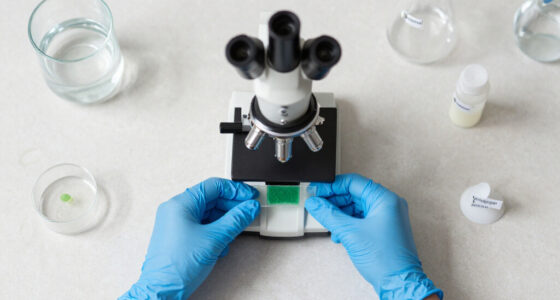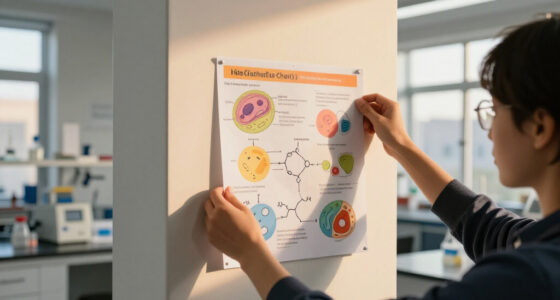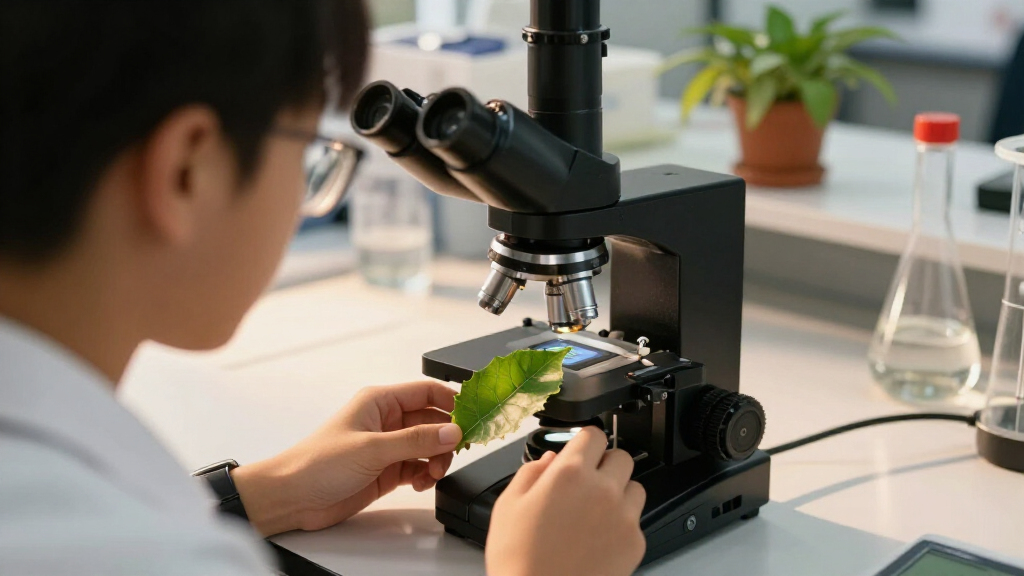

The best digital microscope for students is the TOMLOV DM301 Max, which pairs a sharp 7-inch IPS screen with up to 1200X magnification — enough for everything from leaf cells to circuit boards without needing a separate monitor. Close behind, the AmScope B120 is the strongest choice for biology-heavy coursework thanks to true optical magnification up to 1000X plus a 5MP camera, while the budget-friendly Elikliv EDM4 covers the basics for younger students. The main tradeoff in this category is between screen-based convenience (instant viewing, easy sharing, no eyepiece strain) and optical clarity (real compound-lens resolution for serious science work). Price also spreads widely here — cheap handheld units struggle at high magnification, while premium compound models demand more setup and care. Read on for the full breakdown of all ten models, including who each one suits and who should skip it.

Prime made for students and young adults
- Fast, free delivery for dorm and study essentials
- Prime Video and Amazon Music included
- Member-only deals
Key Takeaways
- The TOMLOV DM301 Max won best overall because its 7-inch IPS screen eliminates the squinting and eyepiece sharing problem that frustrates students most, and its magnification range covers typical school lab work without optical compromises at the low end.
- Magnification numbers are misleading in this category: the handheld Skybasic‘s ‘1000X’ is digital zoom, not optical resolution, so it cannot match the AmScope B120’s true compound optics at the same figure — a distinction that decides which model suits serious biology students.
- TOMLOV dominates the value segment with three models (DM301 Max, DM301 Pro, CM101) that trade fine optical detail for screens and software, making the brand the default choice for screen-first learners under classroom budgets.
- Compound-style models like the Woehrsh trinocular and PalliPartners 100X-2000X reward patient students with slide-based precision but demand more setup and careful handling — poor fits for elementary or middle school users.
- Built-in cameras vary from 2MP to 5MP, and this gap matters more than it appears: the AmScope’s 5MP sensor produces report-ready images, while cheaper 2MP units on the handheld models produce grainy output above 400X.
| TOMLOV DM301 Max Digital Microscope with 7″ IPS Screen, 1200X Magnification |  | Best Overall | Screen: 7-inch Full-Color IPS Display | Magnification: Up to 1200X with 3 achromatic lenses | Camera: 8MP imaging, 1080P video | VIEW LATEST PRICE | See Our Full Breakdown |
| Woehrsh Trinocular Compound Microscope 40X-5000X with Dual Mechanical Stage and HD USB Camera |  | Best Premium / Lab-Grade Pick | Magnification: 40X-5000X (advertised) | Eyepieces: 2x WF10x, 2x WF25x wide-angle | Objective Lenses: 195 achromatic | VIEW LATEST PRICE | See Our Full Breakdown |
| Microscope 40X-2500X Magnification with 4.3-inch Display, Wide-Angle Eyepieces, and Built-in 5MP Camera |  | Best Value Kit | Magnification: 40X-2500X | Display: 4.3-inch HD screen | Camera: 5 megapixel built-in | VIEW LATEST PRICE | See Our Full Breakdown |
| TOMLOV CM101 Compound Microscope with Coarse and Fine Focus |  | Best for Young Beginners | Microscope Type: Compound monocular | Magnification: 40X-2000X | Objectives: 4X, 10X, 40X achromatic | VIEW LATEST PRICE | See Our Full Breakdown |
| TOMLOV DM4W Digital Microscope with Built-In Weighing Scale |  | Best Specialty Pick for Coin and Gem Collectors | Display: 4.3-inch HD IPS | Magnification: 10X-200X | Scale Resolution: 0.1 g | VIEW LATEST PRICE | See Our Full Breakdown |
| AmScope B120 Series LED Binocular Compound Microscope with 5MP Digital Camera |  | Best for Advanced Science Students | Magnification: 40X–2500X | Microscope type: Binocular compound | Illumination: LED with fly-eye lens | VIEW LATEST PRICE | See Our Full Breakdown |
| Elikliv EDM4 LCD Digital Microscope, 4.3-Inch, 1000x |  | Best Value Screen Microscope | Screen size: 4.3 inches | Resolution: 720P HD | Magnification: Up to 1000x | VIEW LATEST PRICE | See Our Full Breakdown |
| PalliPartners Compound Microscope for Adults & Students, 100X-2000X |  | Best Complete Starter Kit | Magnification: 100X–2000X | Objective lenses: 4X, 10X, 40X | Eyepiece: WF25X with 2X magnification lens | VIEW LATEST PRICE | See Our Full Breakdown |
| TOMLOV DM301 Pro Digital Microscope with 7″ Screen |  | Best for Classroom Sharing | Screen: 7-inch IPS LCD | Magnification: Up to 1200X | Lenses: 3 achromatic | VIEW LATEST PRICE | See Our Full Breakdown |
| Skybasic Wireless Handheld Digital Microscope, 50X–1000X |  | Best Portable Pick | Magnification: 50X–1000X | Connectivity: WiFi (iOS/Android); USB (Windows/Mac) | Sensor: 2MP HD CMOS | VIEW LATEST PRICE | See Our Full Breakdown |
| digital microscopes for student | Magnification | Camera | Illumination |
|---|---|---|---|
| TOMLOV DM301 Max Digital Micro | Up to 1200X with 3 achromatic lenses | 8MP imaging, 1080P video | Adjustable top and bottom LED |
| Woehrsh Trinocular Compound Mi | 40X-5000X (advertised) | HD electronic eyepiece USB camera (included) | LED |
| Microscope 40X-2500X Magnifica | 40X-2500X | 5 megapixel built-in | — |
| TOMLOV CM101 Compound Microsco | 40X-2000X | — | Dual LED |
| TOMLOV DM4W Digital Microscope | 10X-200X | — | — |
| AmScope B120 Series LED Binocu | 40X–2500X | 5MP USB | LED with fly-eye lens |
| Elikliv EDM4 LCD Digital Micro | Up to 1000x | — | — |
| PalliPartners Compound Microsc | 100X–2000X | — | Adjustable dual LED (top and bottom) |
| TOMLOV DM301 Pro Digital Micro | Up to 1200X | 8MP photos, 1080P video | — |
| Skybasic Wireless Handheld Dig | 50X–1000X | — | — |
More Details on Our Top Picks
TOMLOV DM301 Max Digital Microscope with 7″ IPS Screen, 1200X Magnification
The TOMLOV DM301 Max earns the top spot because it removes the two biggest friction points for students: squinting through an eyepiece and fighting with software. The 7-inch adjustable IPS screen lets a whole lab table crowd around one specimen, which makes it far better for group work than the 4.3-inch display on the B0DRJ68BCB kit. Compared with a traditional compound scope like the Woehrsh, students trade true optical eyepiece viewing for digital convenience — WiFi app control, 1080P video capture, and plug-and-play HDMI to a projector or TV for classroom demonstrations. The included slides, SD card, and case mean it works out of the box. The tradeoff: battery life caps at about three hours, and 1200X magnification is digital-assisted rather than pure optics, so serious cell biology work still favors a compound microscope.
Pros:- Large 7-inch adjustable IPS screen allows group viewing without eyepiece strain
- WiFi app control with dual saving to SD card and phone simplifies capturing and sharing images
- Connects to TVs, laptops, and projectors without installing drivers
- Complete kit with prepared slides, blank slides, SD card, and carrying case works out of the box
Cons:- Battery life is limited to around 3 hours per charge
- 1200X magnification is digital-enhanced, not fully optical, limiting fine detail at the top range
Best for: Students and classrooms that need screen-based viewing, photo/video capture, and easy sharing with multiple viewers at once
Not ideal for: University-level biology students who need genuine optical resolution for cell structures — a compound microscope serves them better
- Screen:7-inch Full-Color IPS Display
- Magnification:Up to 1200X with 3 achromatic lenses
- Camera:8MP imaging, 1080P video
- Connectivity:WiFi App (Android/iOS), USB, HDMI
- Illumination:Adjustable top and bottom LED
- Stage:Metal X-Y stage with 1.0mm scale divisions
- Battery Life:Up to 3 hours
- Warranty:One year manufacturer warranty
Our verdict“This pick makes the most sense for students who want a shareable, camera-equipped microscope that a whole class can view at once.”
Woehrsh Trinocular Compound Microscope 40X-5000X with Dual Mechanical Stage and HD USB Camera
For students who have outgrown toy kits and need laboratory-grade optics, the Woehrsh trinocular is the serious option in this lineup. The double-layer mechanical stage and dual coaxial coarse/fine focusing give the kind of precise slide control that the TOMLOV CM101’s simpler stage can’t match, and the trinocular head means the included HD USB eyepiece camera can capture images without sacrificing visual observation. Compared with the DM301 Max, this model is built for the student doing real coursework — dissections, histology, microbiology — rather than casual exploration. Be skeptical of the 5000X magnification claim, which exceeds what these optics can genuinely resolve; treat the practical ceiling as lower. The translated documentation is also rough, so plan to lean on generic microscope guides when learning the controls.
Pros:- Trinocular head with included HD USB camera captures images while viewing through eyepieces
- Double-layer dual mechanical stage allows precise specimen positioning
- Dual coaxial coarse and fine focus enables the precise adjustment serious work demands
- Extensive accessory kit includes slides, coverslips, specimens, tools, and a phone holder
Cons:- 5000X maximum magnification claim exceeds practical optical resolution limits
- Translated documentation is awkward and may confuse first-time compound microscope users
Best for: Advanced biology students, veterinary or teaching assistants, and hobbyists who need true compound optics with image capture
Not ideal for: Younger students or casual users — the complexity, weight, and lack of a built-in screen make it overkill for occasional tinkering
- Magnification:40X-5000X (advertised)
- Eyepieces:2x WF10x, 2x WF25x wide-angle
- Objective Lenses:195 achromatic
- Head:Trinocular, 360° swivel
- Illumination:LED
- Focusing:Dual coaxial coarse and fine
- Stage:Double-layer dual mechanical stage
- Camera:HD electronic eyepiece USB camera (included)
Our verdict“This model is better suited to the advanced student whose coursework demands genuine laboratory optics rather than a screen-first experience.”
Microscope 40X-2500X Magnification with 4.3-inch Display, Wide-Angle Eyepieces, and Built-in 5MP Camera
White, affordable, and loaded with accessories, this unbranded kit delivers the most complete starter package for the money. With a 4.3-inch screen, WF10x/WF16x eyepieces, and 4x/10x/40x achromatic objectives, it blends eyepiece and screen viewing in a way the TOMLOV DM301 Max does at more than double the scale — the tradeoff is a smaller display and lighter build. The 25+ piece accessory kit (100 coverslips, petri dish, pipette, specimens, tweezers) means a homeschooled student can run real experiments immediately instead of waiting on extra purchases. Dual power options — cable indoors, batteries outdoors — add flexibility for field use. Be realistic about durability: the plastic body is typical of budget kits and won’t survive careless handling, and the 2500X top magnification is more marketing than meaningful resolution.
Pros:- Hybrid design offers both eyepiece viewing and a built-in 4.3-inch HD screen
- 25+ piece accessory kit covers a full range of beginner experiments out of the box
- Dual power options support both indoor cable use and outdoor battery operation
- Wide 40X-2500X magnification range covers everything from insects to cell slides
Cons:- Plastic construction typical of budget kid-focused microscopes limits durability
- Translated documentation is unclear and may frustrate first-time users
Best for: Homeschool families and parents who want a full experiments-ready kit without paying for premium optics
Not ideal for: Rough-and-tumble younger kids or students needing durable metal construction — the plastic build won’t hold up
- Magnification:40X-2500X
- Display:4.3-inch HD screen
- Camera:5 megapixel built-in
- Eyepieces:WF10x and WF16x wide-angle
- Objective Lenses:4x, 10x, 40x achromatic
- Power Supply:Data cable (indoor) or batteries (outdoor)
- Included Accessories:25+ piece lab kit including slides, coverslips, specimens, tools, and phone holder
Our verdict“This option stands out for homeschoolers who want maximum accessories and flexibility per dollar, accepting a lighter build in exchange.”
TOMLOV CM101 Compound Microscope with Coarse and Fine Focus
The CM101 focuses on teaching proper microscope technique rather than dazzling with screens and cameras. Its coarse and fine focus controls and six-position disc diaphragm mirror what students will encounter on real school lab microscopes — a learning advantage the fully digital TOMLOV DM4W can’t offer. Compared with the value kit above, the CM101’s dual LED illumination handles both transparent slide specimens and opaque surfaces, covering the two things beginners actually examine most. The included prepared and blank slides let a child start within minutes of unboxing. The main tradeoff is monocular viewing: one eye at a time, which gets tiring during longer sessions, and there’s no camera for capturing what they find. If your student wants to photograph discoveries, look up the lineup instead of here.
Pros:- Coarse and fine focus controls teach precise technique on a proper compound design
- Six-position disc diaphragm with filter gives real control over lighting and contrast
- Dual LED illumination handles both transparent slides and opaque surface specimens
- Prepared and blank slides included so beginners can start immediately
Cons:- Monocular design is tiring for extended viewing sessions compared with binocular models
- No camera or screen means no way to capture or share images
Best for: Elementary and middle school students learning real microscope skills like focusing and diaphragm control for the first time
Not ideal for: Students who want to photograph or share what they see — there’s no camera or screen, only direct eyepiece viewing
- Microscope Type:Compound monocular
- Magnification:40X-2000X
- Objectives:4X, 10X, 40X achromatic
- Eyepieces:WF10X and WF25X
- Illumination:Dual LED
- Diaphragm:6-position disc diaphragm and filter
- Included:5 prepared slides, 5 blank slides, round coverslips
- Warranty:1 year
Our verdict“This pick makes the most sense for young students building genuine lab skills on a traditional scope before moving to digital features.”
TOMLOV DM4W Digital Microscope with Built-In Weighing Scale
The DM4W occupies a niche no other product in this roundup touches: it inspects and weighs simultaneously. For a student who collects coins, gems, or minerals, seeing a specimen at 200X on the 4.3-inch IPS screen while getting a reading in grams, ounces, or carats on one device is genuinely practical — and something the TOMLOV DM301 Max, for all its screen size, cannot do. The USB output to Windows and macOS makes documenting a collection easy, and the built-in battery supports portable use at shows or in the field. The tradeoffs are real, though: magnification tops out at 200X, fine for surfaces but useless for cells or pond water, and the ±0.5 g scale accuracy is too coarse for anything requiring precision measurement. Think of this as a collector’s inspection tool that students can borrow, not a biology instrument.
Pros:- Combines magnified inspection and weighing in a single device with g, oz, and ct units
- 4.3-inch IPS screen with wide viewing angle and built-in LED lighting
- USB output works with both Windows and macOS for easy image capture
- Rechargeable battery and portable design suit field use and collecting events
Cons:- Magnification limited to 200X, far below what slide-based biology work requires
- Scale accuracy of ±0.5 g is too imprecise for serious measurement work
Best for: Students who collect coins, gemstones, or small artifacts and want combined magnified inspection and weighing
Not ideal for: Biology students — the 200X ceiling and low-magnification stereo design cannot resolve cells or microorganisms
- Display:4.3-inch HD IPS
- Magnification:10X-200X
- Scale Resolution:0.1 g
- Scale Accuracy:±0.5 g
- Weighing Units:g, oz, ct
- Lighting:Built-in LED
- Connectivity:USB output, Windows and macOS compatible
- Battery:Built-in rechargeable
Our verdict“This model is better suited to the young collector cataloging coins and gems than to any student studying biology slides.”
AmScope B120 Series LED Binocular Compound Microscope with 5MP Digital Camera
Most student microscopes stop at casual observation, but the AmScope B120 is built for students heading toward serious lab work. Its 40X–2500X range with a binocular head means two-eye viewing — far more comfortable during long biology sessions than the single-screen squinting you get with handheld models like the Skybasic. The included 5MP USB camera and analysis software turn it into a documentation tool, not just a viewer. The tradeoff is real: this is a true compound instrument, so it demands prepared slides, careful technique, and desk space. Compared with the PalliPartners kit, the optics and mechanical stage feel genuinely professional, but there are no bundled slides or phone accessories — you supply your own specimens. It is also overkill for a curious eight-year-old.
Pros:- True binocular viewing reduces eye fatigue during extended lab sessions
- 5MP USB camera with professional capture and analysis software
- Daylight-balanced LED illumination with fly-eye lens for even lighting
- Magnification range wide enough for cell-level biology work
Cons:- No starter slides or specimen accessories included, unlike classroom kits
- Requires setup space and technique that beginners may find intimidating
Best for: High school and college biology students who need lab-grade optics plus digital image capture for coursework
Not ideal for: Younger kids or casual hobbyists — the price of capability here is complexity, plus a steeper learning curve and no starter slides
- Magnification:40X–2500X
- Microscope type:Binocular compound
- Illumination:LED with fly-eye lens
- Camera:5MP USB
- Included software:Professional image capture and analysis
- Intended use:Educational, laboratory, clinical
Our verdict“Buy this if your student is outgrowing toy microscopes and needs a genuine lab instrument with digital output; skip it for elementary-age explorers.”
Elikliv EDM4 LCD Digital Microscope, 4.3-Inch, 1000x
The Elikliv EDM4 hits a sweet spot the competition misses: a self-contained 4.3-inch LCD screen with no phone or app required. Compared with the TOMLOV DM301 Pro, the smaller display means less comfortable group viewing, but it keeps the price and footprint down considerably. Its eight adjustable LED lights and height-adjustable stand make it genuinely useful for coins, circuit boards, and STEM exploration — the low-magnification work where compound scopes like the AmScope B120 are useless. Two honest caveats: the advertised 1000x is screen-dependent, so real magnification varies with distance, and you will need to supply your own memory card to save photos and video. For a student who wants immediate, shareable results without a microscope eyepiece, this pick makes the most sense.
Pros:- Built-in 4.3-inch screen eliminates the need for a phone or monitor
- Eight adjustable LED lights handle dim environments well
- Height-adjustable stand allows precise, hands-free focusing
- PC connectivity for Windows and MacBook expands viewing and sharing options
Cons:- Memory card not included, so saving footage requires an extra purchase
- Real-world magnification falls short of the stated 1000x depending on setup
Best for: Budget-conscious students and hobbyists inspecting coins, stamps, and electronics who want onboard viewing without a phone
Not ideal for: Students doing cell-level biology — this is a digital inspection scope, and its magnification ceiling and quality fall short of true compound optics
- Screen size:4.3 inches
- Resolution:720P HD
- Magnification:Up to 1000x
- Lighting:8 adjustable LED lights
- PC compatibility:Windows, MacBook
- Battery:Built-in rechargeable, up to 3 hours
- Memory card:Not included
Our verdict“This is the smart choice for a first digital microscope when budget matters more than maximum magnification.”
PalliPartners Compound Microscope for Adults & Students, 100X-2000X
Where the AmScope B120 assumes you already know what you are doing, the PalliPartners compound microscope hands a beginner everything on day one: 28 slides, a phone clip adapter, a Bluetooth shutter remote, and a power adapter. That out-of-the-box readiness is its whole argument. The dual top and bottom LED illumination lets students examine both opaque objects and traditional translucent slides — a flexibility most single-source scopes lack. Coaxial coarse and fine focus teaches proper technique, and SGS safety certification gives parents real assurance. The tradeoff is optical quality: these are entry-level glass objectives, and images at 2000X will not rival a lab instrument. Younger children in the 10–12 range also need adult supervision. This model is better suited to learning the craft than producing research-grade images.
Pros:- Everything included: 28 slides, phone adapter, Bluetooth remote, and power adapter
- Dual top and bottom LED lighting handles both opaque and translucent specimens
- Coaxial coarse and fine focus builds proper technique
- SGS certified for non-toxic and electrical safety
Cons:- Entry-level optics limit image quality at upper magnifications
- Adult supervision needed for ages 10–12
Best for: Families and classrooms buying a first real microscope for ages 8–18 who want slides and accessories included immediately
Not ideal for: College-level or serious hobbyist work — the optics plateau well below what dedicated instruments deliver at high magnification
- Magnification:100X–2000X
- Objective lenses:4X, 10X, 40X
- Eyepiece:WF25X with 2X magnification lens
- Illumination:Adjustable dual LED (top and bottom)
- Focus:Coaxial coarse and fine
- Slides included:28 (10 prepared, 18 blank)
- Safety certification:SGS certified
- Recommended age:8–18 (adult supervision for 10–12)
Our verdict“The easiest on-ramp to real microscopy for school-age students — just do not expect lab-grade results at 2000X.”
TOMLOV DM301 Pro Digital Microscope with 7″ Screen
The TOMLOV DM301 Pro solves the problem most student microscopes ignore: how does a whole group see the same specimen? Its 7-inch IPS display is the largest in this lineup, and the WiFi app plus USB/HD output can push the image to a TV or projector — something neither the Elikliv EDM4 nor the Skybasic can match for group demos. Three achromatic lenses and an 8MP camera keep images sharp, while the bundled slides, SD card, and carrying case make it a genuinely complete STEM package. The main limitation is the 3-hour battery, which constrains all-day classroom use without a charger nearby. At up to 1200X it bridges casual inspection and beginner biology, though it still will not replace a compound scope like the PalliPartners for traditional slide work at the highest powers.
Pros:- 7-inch adjustable IPS screen is the most comfortable option for shared viewing
- WiFi app control plus USB/HD output to TVs, laptops, and projectors
- Complete kit with slides, SD card, carrying case, and TV cable
- Dual adjustable LED lighting with built-in measurement scale
Cons:- 3-hour battery life limits extended or field use
- Max 1200X magnification trails compound microscopes for cell biology
Best for: Teachers, homeschool groups, and STEM clubs who need to display live microscope views to several students at once
Not ideal for: Students needing all-day unplugged sessions or true 2000X-class biological magnification — the battery and optics both cap out
- Screen:7-inch IPS LCD
- Magnification:Up to 1200X
- Lenses:3 achromatic
- Camera:8MP photos, 1080P video
- Connectivity:WiFi app (iOS/Android), USB/HD output
- Battery life:Up to 3 hours
- Includes:10 slides, micro SD card, carrying case, power adapter, TV cable
- Warranty:1 year manufacturer
Our verdict“The strongest pick when the goal is showing a specimen to a room rather than one student at a time.”
Skybasic Wireless Handheld Digital Microscope, 50X–1000X
If microscopy has to leave the desk — backyard leaves, pond water, field trips — the Skybasic handheld is the lightest way to do it. It beams live images straight to a phone or tablet over WiFi or to a computer by USB, turning whatever screen your student already owns into the eyepiece. That phone-first design is its advantage over the Elikliv EDM4, which carries its own display and more bulk. The compromises are equally clear: a 2MP sensor produces casual-quality images, magnification tops out at inspection levels rather than true biology, and some features only work through the app. A USB adapter is not included either. Compared with the TOMLOV DM301 Pro, it trades screen size and image quality entirely for portability. Think of it as a curiosity magnifier, not a laboratory.
Pros:- Works with iOS, Android, Windows, and Mac devices
- Truly portable design suited to outdoor and on-the-go use
- Adjustable LED lighting with photo and video capture
- 3–60 mm focal range gives flexibility across subjects
Cons:- 2MP sensor limits image quality for anything beyond casual viewing
- App and WiFi setup required, and some functions depend on a wireless connection
- USB adapter not included
Best for: Students and casual explorers who want a pocket-sized scope for outdoor discovery using their own phone as the screen
Not ideal for: Anyone doing school lab assignments or detailed work — the sensor and optics are built for fun, not accuracy
- Magnification:50X–1000X
- Connectivity:WiFi (iOS/Android); USB (Windows/Mac)
- Sensor:2MP HD CMOS
- Image resolution:1920×1080 on smartphones; 720P on computers
- Lighting:8 adjustable LED lights
- Focal range:3–60 mm
- Accessories:USB cable, bracket, base, user manual
Our verdict“A fun, phone-powered magnifier for curious students on the move — not a substitute for a real microscope.”

How We Picked
I ranked these microscopes on four criteria weighted for student use. Viewing experience came first: screen size, image clarity, and whether a student can comfortably share a view with classmates or a teacher without extra hardware. Magnification quality came second, and I distinguished between genuine optical magnification (compound systems like the AmScope B120 and Woehrsh) and digital upscaling (handheld and screen-based units), because a 1000X rating means very different things across the two designs. Usability for the age group was third — focus controls, illumination adjustability, portability, and how much setup a student can handle independently.
Finally, I weighed durability and value: build quality that survives classroom handling, included accessories like slides and SD card support, and whether each model justifies its tier. Models ranked higher either solved the eyepiece-sharing and image-capture problems students actually face, or delivered lab-grade optics at a fair price. Models ranked lower made real tradeoffs — dim lighting, plastic stages, wobbly focus, or inflated magnification claims — that a buyer should know about before purchasing.
| digital microscopes for student | Illumination |
|---|---|
| TOMLOV DM301 Max Digital Micro | Adjustable top and bottom LED |
| Woehrsh Trinocular Compound Mi | LED |
| Microscope 40X-2500X Magnifica | — |
| TOMLOV CM101 Compound Microsco | Dual LED |
| TOMLOV DM4W Digital Microscope | — |
| AmScope B120 Series LED Binocu | LED with fly-eye lens |
| Elikliv EDM4 LCD Digital Micro | — |
| PalliPartners Compound Microsc | Adjustable dual LED (top and bottom) |
| TOMLOV DM301 Pro Digital Micro | — |
| Skybasic Wireless Handheld Dig | — |
Factors to Consider When Choosing Digital Microscopes For Students
Before choosing a specific model, it helps to understand the broader decisions that shape this purchase. The wrong type of microscope — not the wrong brand — is the most common reason buyers end up disappointed.
Optical vs. Digital Magnification — The Biggest Trap
Manufacturers advertise big numbers like 1000X or 2500X, but those figures describe two very different things. A compound microscope like the AmScope B120 or Woehrsh achieves magnification through stacked glass lenses, so detail stays sharp all the way up the range. A screen-based digital microscope reaches high numbers through sensor cropping and digital zoom, which enlarges the image but adds blur and pixelation past a certain point. If your student needs to identify cell structures or bacteria for biology class, optical magnification is non-negotiable. For rock specimens, insects, coins, or electronics, digital magnification at lower ranges works fine and is far easier to use. Matching the magnification type to the actual schoolwork is the single highest-impact decision in this guide.
Screen Size and Sharing in a Learning Environment
A microscope used at a desk alone has different requirements than one used in a classroom or homeschool setting. Smaller 4.3-inch screens (Elikliv, the 40X-2500X model) keep costs down and are adequate for one viewer, but sharing a find with a teacher or sibling means crowding around a small display. 7-inch screens like the TOMLOV DM301 Max and DM301 Pro make group viewing practical and reduce the fatigue of long observation sessions. Also check whether the unit supports PC connection or HDMI output — the ability to project a slide onto a laptop or classroom display turns a solo tool into a teaching tool. If the microscope will anchor family or group science sessions, screen size is worth paying extra for.
Build Quality and Stage Stability
Students are harder on equipment than adult hobbyists, and the focusing stage is where cheap microscopes fail first. A mechanical stage with dual controls, like the one on the Woehrsh trinocular, lets a user move a slide smoothly in two directions without touching it — a feature that dramatically improves results at high magnification where the slightest bump shifts the view. Plastic stages and single-knob focus, common on entry-level models, work at low power but become frustrating above 400X. Weight matters too: a heavier base resists tipping when a backpack gets set down nearby. If the microscope will travel between home and school, look for a balance of sturdy construction and reasonable portability rather than the flimsiest lightweight option.
Camera Resolution and Image Capture
Nearly every model here includes a camera, but sensor quality varies from about 2MP to 5MP, and the gap shows up in lab reports and homework submissions. A 5MP sensor like the one on the AmScope B120 captures cell detail cleanly enough for graded assignments, while 2MP handheld cameras produce images that look acceptable on the device screen but soften badly when enlarged. Check for SD card slots and photo/video buttons — being able to save footage directly, without a computer, is what turns observation into documentation. Some students lose interest quickly when capturing results is clunky, so a one-button capture workflow genuinely affects how much the microscope gets used. For younger students, easy capture matters more than raw resolution.
Illumination Quality
Lighting is an underrated differentiator, especially at higher magnifications where dim or uneven light destroys detail. Adjustable LED systems — ideally with brightness control like the Elikliv’s eight-LED array or the AmScope’s halogen-equivalent LED — let students balance glare on shiny specimens against visibility of translucent ones. Bottom illumination suits transparent slides (cells, pond water), while top illumination suits opaque objects (leaves, fabrics, circuit boards); some units offer both, which doubles the range of usable specimens. Fixed-brightness lights are a common corner-cut on budget models and a frequent source of disappointment. Before buying, confirm the lighting type matches what your student will actually examine.
Age Appropriateness and Independent Use
The best microscope for a ten-year-old is one they can operate alone, which usually means screen-based simplicity over optical sophistication. Models with coarse-and-fine dual focus, like the TOMLOV CM101, teach proper technique while remaining forgiving, while a full compound system with multiple objective lenses requires lens-changing discipline that younger students often lack. Handheld units like the Skybasic suit field work and casual exploration but frustrate anyone trying to view prepared slides. A common mistake is buying ‘the most microscope’ for a beginner — an overly complex instrument ends up in a closet while a simpler one gets used weekly. Match complexity to the student’s age and independence, then upgrade later if interest sticks.
Frequently Asked Questions
Is a screen-based digital microscope or a traditional compound microscope better for schoolwork?
It depends on the subject. Biology-heavy coursework — cells, microorganisms, prepared slides — rewards a true compound microscope like the AmScope B120 or Woehrsh, because glass objective lenses resolve real detail at 400X and beyond where digital zoom produces blur. General science exploration — rocks, insects, leaves, printed circuits — is easier and more engaging on a screen-based model like the TOMLOV DM301 Max, since students see results instantly without eyepiece technique. Screens also solve the sharing problem: a teacher or parent can look at the same image simultaneously. If budget allows only one, a screen-based compound hybrid with a decent camera is the safest middle path for a student spanning multiple subjects.
How much magnification does a student actually need?
Far less than the marketing suggests. Most school-level biology — plant cells, onion skin, pond organisms — is clearly visible at 100X to 400X, and the majority of student assignments never require more. Numbers above 1000X on handheld and screen-based units are largely digital zoom, which enlarges pixels rather than revealing new detail. What actually improves the view is optical resolution and lighting quality, which is why a well-lit 400X image from a compound scope beats a grainy 1000X digital image every time. Unless your student is doing serious microbiology, prioritize clarity, focus control, and illumination over the biggest magnification figure on the box.
What’s the difference between the TOMLOV DM301 Max and DM301 Pro, and which should a student get?
Both share the 7-inch screen and screen-first design, so the core experience of group viewing and easy capture is identical. The Max is positioned as the more complete package — its illumination and overall refinement make it the better fit as a primary classroom instrument. The Pro suits buyers who want the same big-screen format at a slightly lower tier and are willing to accept minor compromises in lighting and finishing. Neither replaces a compound microscope for slide-based biology at high power, so the choice between them is about budget within the screen-based category, not about capability for serious lab work. For most students, the Max is the one worth the extra step up.
Can a cheap handheld digital microscope work for a science class?
It can, within narrow limits. Handheld units like the Skybasic excel at low-to-mid magnification of flat, opaque objects — coins, leaves, fabric weaves, text — and their portability suits field trips and outdoor exploration. Where they fall short is prepared slides and anything above roughly 200X: without a stable stage, keeping focus while holding the device by hand is difficult, and the small sensor produces soft images at higher zoom. If the class requires drawing or identifying cells from slides, a handheld will frustrate the student quickly. The best use case is a younger learner or a hobbyist supplementing a more capable microscope, not a student’s only instrument.
Do student digital microscopes need PC connection, or is a built-in screen enough?
A built-in screen is enough for everyday observation, but PC connectivity adds real value for assignments. Connecting to a computer enables larger viewing for demonstrations, easier file transfer for lab reports, and in some cases measurement software that students can use for analysis. Models with PC view support, like the Elikliv EDM4 and the USB-camera-equipped compound scopes, give flexibility that screen-only units lack. That said, software compatibility varies — check that drivers work with your family’s operating system before buying, since some budget units have spotty support on newer systems. If documentation and presentations are part of the coursework, treat PC output as a requirement rather than a bonus.
Conclusion
For most students, the TOMLOV DM301 Max is the best overall pick — its large IPS screen, solid magnification range, and easy image capture cover the widest range of schoolwork with the fewest frustrations. The Elikliv EDM4 is the best value choice, delivering the core screen-based experience for younger or first-time users without overpaying for features they won’t touch. At the premium end, the AmScope B120 with 5MP camera is the pick for serious biology students who need genuine optical resolution and report-quality images — and the Woehrsh trinocular goes a step further for advanced coursework with its mechanical stage and dual-view design. For beginners, the TOMLOV CM101 teaches proper focusing technique gently, while the Skybasic handheld earns its place as the best portable option for field exploration and younger kids. Whatever you choose, match the microscope type to the actual coursework first — that decision matters more than any brand or spec sheet in this lineup.
Halloween Picks
halloween
As an affiliate, we earn on qualifying purchases.