
TL;DR

Prime made for students and young adults
- Fast, free delivery for dorm and study essentials
- Prime Video and Amazon Music included
- Member-only deals
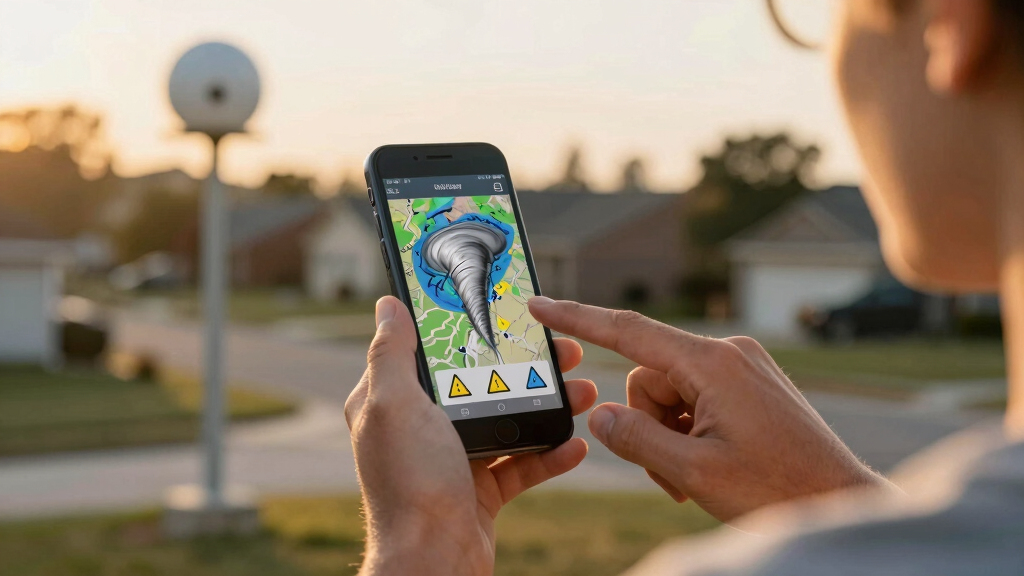
A tornado watch indicates conditions are favorable for tornadoes, while a warning means a tornado has been sighted or indicated by radar. Clarifying these terms helps the public respond appropriately to severe weather alerts.
Authorities and weather agencies are emphasizing the distinction between tornado watch and tornado warning as severe weather threats increase across parts of the United States. Understanding these alerts is critical for public safety, as they dictate different levels of preparedness and response.
A tornado watch is issued when weather conditions are favorable for tornado formation in a specified area. Learn more about how weather agencies monitor these conditions in our article on severe thunderstorm watches. It does not mean a tornado is imminent but signals residents to stay alert and monitor weather updates. Conversely, a tornado warning is issued when a tornado has been sighted or indicated by radar, requiring immediate action to seek shelter. These alerts are issued by the National Weather Service (NWS) based on current observations and forecasts.
Currently, several regions in the Midwest and Southeast are under tornado watches due to unstable atmospheric conditions. Local authorities have issued warnings in specific counties where radar indicates a tornado is on the ground or imminent. The distinction between the two alerts is vital for public response, with warnings demanding urgent shelter and watches advising caution and preparedness. For information on specific weather events, see reports like the Tornado, strong storms cause damage in southern Indiana article.
Why Accurate Understanding of Tornado Alerts Is Critical
Properly distinguishing between a tornado watch and warning can save lives. Misinterpreting a watch as a warning may lead to complacency, while confusing a warning with a watch could cause unnecessary panic. Clear public understanding ensures timely and appropriate responses, reducing injury risk during severe weather events. As severe weather becomes more unpredictable due to climate change, awareness of these alerts remains essential for community safety and emergency preparedness.As an affiliate, we earn on qualifying purchases.
Historical and Current Use of Tornado Alerts in the US
The National Weather Service has used tornado watches and warnings for decades to communicate risk levels. Historically, tornado watches are issued hours before severe storms develop, giving residents time to prepare. Warnings are issued when there is confirmed or imminent tornado activity, prompting immediate sheltering. Recent severe weather outbreaks have highlighted the importance of public understanding of these alerts, especially as tornado activity varies geographically and temporally.
In 2023, the US experienced several notable tornado events, prompting increased public education efforts on the differences between watches and warnings. Despite these efforts, confusion persists among some residents, underscoring the need for clear, consistent communication during emergencies.
“Public education on these terms can significantly improve safety outcomes during severe weather. Misinterpretation can lead to dangerous delays or unnecessary panic.”
— Meteorologist Jane Doe, Weather Expert
As an affiliate, we earn on qualifying purchases.
Uncertainties Surrounding Tornado Alert Communications
It remains unclear how effectively the general public understands the differences between tornado watches and warnings, especially in regions less familiar with severe weather protocols. Additionally, the rapid evolution of weather conditions can sometimes blur the lines between alerts, leading to confusion or delayed responses. Ongoing education efforts aim to address these issues, but gaps may still exist during high-stakes situations.As an affiliate, we earn on qualifying purchases.
Next Steps in Public Education and Emergency Response
Authorities and weather agencies plan to enhance public education campaigns, emphasizing the distinctions between tornado watches and warnings through media, community outreach, and digital alerts. Meteorologists will continue refining alert systems to improve clarity and timeliness. Residents are encouraged to review emergency plans and familiarize themselves with these alerts to respond effectively during future severe weather events.
As an affiliate, we earn on qualifying purchases.
Key Questions
What should I do if I receive a tornado watch alert?
If you receive a tornado watch, stay alert, monitor weather updates, and prepare an emergency plan. Consider securing outdoor objects and identifying a safe shelter location in your home or community.
What actions are necessary when a tornado warning is issued?
When a tornado warning is issued, seek immediate shelter in a basement or interior room away from windows. Listen to local weather updates and be prepared to stay sheltered until authorities declare it safe.
How often are tornado alerts updated?
Tornado alerts are updated in real-time as new information becomes available. Watches can be issued hours in advance, while warnings are issued minutes before or during tornado occurrences.
Can a tornado occur without a warning?
Yes, tornadoes can sometimes occur suddenly without a warning, especially if radar or visual confirmation is delayed. That’s why staying alert during severe weather conditions is essential, even if no warning has been issued yet.
How can I improve my understanding of severe weather alerts?
Review local emergency guidelines, participate in community preparedness programs, and stay informed through official weather sources like the National Weather Service. Familiarity with alert terminology can improve response times and safety.
Source: google-trends
Fall Picks
fall essentials
As an affiliate, we earn on qualifying purchases.