
Choosing among educational science reference books comes down to three questions: how old is the reader, how deep should the content go, and do you want one big encyclopedia or a structured set? My top overall pick is The Science Book (DK Big Ideas), because it carries students from late elementary through high school with clearly explained concepts rather than fragmented facts. For younger readers, The Usborne Science Encyclopedia offers the best balance of visuals and depth, while Sciencia serves older teens and adults who want serious cross-disciplinary coverage in one volume. The main tradeoff in this category is breadth versus usability — thick one-volume encyclopedias cover everything but can overwhelm younger kids, while illustrated dictionaries are friendly but shallow. Read on for the full ranked breakdown.

Prime made for students and young adults
- Fast, free delivery for dorm and study essentials
- Prime Video and Amazon Music included
- Member-only deals
Key Takeaways
- Age fit separated the top picks more than content quality did — several books are excellent but only within a narrow age window, so the ranking reflects usability at the target reading level.
- Single-volume encyclopedias (DK Big Ideas, Usborne Science Encyclopedia) outperformed the 6-book box set for sustained reference use, because kids actually reach for one accessible book more often than they navigate a set.
- Illustrated dictionaries (Usborne Illustrated Dictionary of Science, Science Dictionary for Kids) are supplements, not stand-alone references — they excel at vocabulary and homework support but lack conceptual depth.
- Two National Geographic Kids Science Encyclopedia editions made the list; the 2nd Edition wins on updated content, so check edition numbers before buying.
- Topic-specific Knowledge Encyclopedia titles (Human Body, Planet Earth) beat general encyclopedias for kids with a strong existing interest, but should be a second purchase, not a first.
| Knowledge Encyclopedia – Science for Children |  | Best for Younger Readers | Format: Hardcover children’s encyclopedia | Target Age Range: Approximately 5-8 years | Subject Coverage: General science, multiple disciplines | VIEW LATEST PRICE | See Our Full Breakdown |
| The Usborne Science Encyclopedia: An In-depth Guide for Young Scientists Exploring Gravity, Flight, Genes, DNA and More |  | Best Multimedia Learning | Format: Illustrated encyclopedia with digital companion | Target Age Range: Approximately 9-13 years | Digital Resources: 180+ video clips, 1,000 recommended websites | VIEW LATEST PRICE | See Our Full Breakdown |
| The Elements Book: A Visual Periodic Table Encyclopedia for Kids |  | Best Single-Subject Pick | Format: Visual encyclopedia (DK) | Subject Coverage: Periodic table and chemical elements | Target Age Range: Approximately 8-12 years | VIEW LATEST PRICE | See Our Full Breakdown |
| The Science Book (DK Big Ideas) |  | Best for Teens and Adults | Format: Illustrated reference (DK Big Ideas series) | Target Audience: Teens through adults | Subject Coverage: Physics, chemistry, biology, earth science, cosmology | VIEW LATEST PRICE | See Our Full Breakdown |
| National Geographic Kids Science Encyclopedia, 2nd Edition |  | Best for Reluctant Readers | Format: Illustrated children’s encyclopedia | Edition: 2nd Edition (updated content) | Target Age Range: Approximately 7-11 years | VIEW LATEST PRICE | See Our Full Breakdown |
| National Geographic Kids Science Encyclopedia: Atom Smashing, Food Chemistry, Animals, Space, and More! |  | Best for Curious Elementary Readers | Publisher: National Geographic Kids | Format: Hardcover | Topics Covered: Chemistry, biology, space, food science, animals | VIEW LATEST PRICE | See Our Full Breakdown |
| Sciencia: Mathematics, Physics, Chemistry, Biology, and Astronomy for All |  | Best for Adult Beginners | Publisher: Walker Books | Format: Paperback | Disciplines Covered: Mathematics, physics, chemistry, biology, astronomy | VIEW LATEST PRICE | See Our Full Breakdown |
| Science Knowledge Encyclopedia for Children: Collection of 6 Books (Box Set) |  | Best Box Set Value | Format: Box set of 6 books | Coverage: Multiple science topics across six volumes | Target Audience: Children (age range unspecified) | VIEW LATEST PRICE | See Our Full Breakdown |
| The Usborne Illustrated Dictionary of Science |  | Best Homework Reference | Publisher: Usborne | Format: Paperback reference | Organization: Alphabetical dictionary entries | VIEW LATEST PRICE | See Our Full Breakdown |
| Science Encyclopedia | 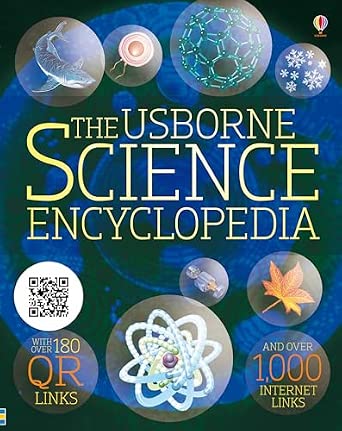 | Best All-in-One Family Reference | Format: Single-volume encyclopedia | Content: Detailed explanations, illustrations, and facts across science topics | Target Audience: Students and science enthusiasts | VIEW LATEST PRICE | See Our Full Breakdown |
| Illustrated Elementary Science Dictionary: An Essential Reference for Kids (Ages 7-10) |  | Best for Youngest Learners | Format: Print paperback/hardcover | Target Age Range: 7-10 years | Reading Level: Early elementary | VIEW LATEST PRICE | See Our Full Breakdown |
| Science Dictionary for Kids |  | Best for Homework and Homeschool Use | Format: Print paperback | Target Age Range: Approximately 8-14 years | Reading Level: Upper elementary to middle school | VIEW LATEST PRICE | See Our Full Breakdown |
| Knowledge Encyclopedia Human Body: Human Anatomy as You’ve Never Seen It Before |  | Best Single-Subject Deep Cut | Format: Hardcover print | Target Age Range: 8 years to adult | Subject Focus: Human anatomy and biology | VIEW LATEST PRICE | See Our Full Breakdown |
| Knowledge Encyclopedia Planet Earth! Our Exciting World as You’ve Never Seen It Before |  | Best for Earth Science Enthusiasts | Format: Hardcover print | Target Age Range: 8 years to adult | Subject Focus: Geology, geography, and natural phenomena | VIEW LATEST PRICE | See Our Full Breakdown |
| Knowledge Encyclopedia Science! 2nd Edition |  | Best Visual General Reference | Format: Hardcover print | Edition: 2nd Edition (updated content) | Target Age Range: 8 years to adult | VIEW LATEST PRICE | See Our Full Breakdown |
| educational science reference book | Format | Target Age Range | Use Case | Subject Coverage |
|---|---|---|---|---|
| Knowledge Encyclopedia | Hardcover children’s encyclopedia | Approximately 5-8 years | Home learning and curiosity building | General science, multiple disciplines |
| The Usborne Science Encycloped | Illustrated encyclopedia with digital companion | Approximately 9-13 years | Homework reference and independent study | Physics, genetics, biology, flight, and more |
| The Elements Book: A Visual Pe | Visual encyclopedia (DK) | Approximately 8-12 years | Chemistry interest-building and browsing | Periodic table and chemical elements |
| The Science Book | Illustrated reference (DK Big Ideas series) | — | Conceptual understanding and homework support | Physics, chemistry, biology, earth science, cosmology |
| National Geographic Kids Scien | Illustrated children’s encyclopedia | Approximately 7-11 years | Casual browsing and interest sparking | Atoms, food chemistry, animals, space, and more |
| National Geographic Kids Scien | Hardcover | — | Browsing and independent reading | — |
| Sciencia: Mathematics | Paperback | — | — | — |
| Science Knowledge Encyclopedia | Box set of 6 books | — | Gifting, classrooms, topic-by-topic reading | — |
| The Usborne Illustrated Dictio | Paperback reference | — | Homework lookup and quick reference | — |
| Science Encyclopedia | Single-volume encyclopedia | — | General home reference for study and browsing | — |
| Illustrated Elementary Science | Print paperback/hardcover | 7-10 years | — | Core elementary science topics |
| Science Dictionary for Kids | Print paperback | Approximately 8-14 years | — | General science vocabulary across disciplines |
| Knowledge Encyclopedia Human B | Hardcover print | 8 years to adult | — | — |
| Knowledge Encyclopedia Planet | Hardcover print | 8 years to adult | — | — |
| Knowledge Encyclopedia Science | Hardcover print | 8 years to adult | — | Physics, chemistry, biology, space, and technology |
More Details on Our Top Picks
Knowledge Encyclopedia – Science for Children
Knowledge Encyclopedia – Science for Children earns its place as the entry point of this lineup, aimed squarely at early learners who need science broken down before they can handle denser volumes. Where The Science Book (DK Big Ideas) assumes a reader comfortable with abstract concepts, this option leans on colorful illustration-led pages that carry the explanation visually, which matters for kids whose reading stamina hasn’t caught up with their curiosity. Compared with The Elements Book, the coverage is broader — general science rather than a single subject — making it a stronger first reference for a home library. The tradeoff is depth: a curious ten-year-old will outgrow it within a couple of years, and it offers nothing for a middle schooler writing a report. Think of it as a confidence-building first encyclopedia, not a long-term reference.
Pros:- Illustration-led layout that works for pre-readers and early readers
- Broad sweep of science topics in one volume
- Accessible tone that builds curiosity without intimidation
- Affordable single-book commitment for a first reference
Cons:- Shallow coverage that older kids outgrow fast
- No index or citation apparatus for schoolwork
- Thin supplementary material compared with Usborne’s linked resources
Best for: Parents of children roughly ages 5-8 who want a gentle, picture-heavy first science book
Not ideal for: Students in grades 5 and up who need report-ready detail — they’ll exhaust it quickly
- Format:Hardcover children’s encyclopedia
- Target Age Range:Approximately 5-8 years
- Subject Coverage:General science, multiple disciplines
- Illustrations:Full-color throughout
- Reading Level:Early reader friendly
- Use Case:Home learning and curiosity building
Our verdict“Buy this as a child’s first science encyclopedia, and plan to graduate to a deeper volume within a few years.”
The Usborne Science Encyclopedia: An In-depth Guide for Young Scientists Exploring Gravity, Flight, Genes, DNA and More
What separates The Usborne Science Encyclopedia from every other book in this roundup is its layered digital ecosystem: over 180 video clips and 1,000 vetted website links turn a printed reference into a hybrid learning system. Compared with the National Geographic Kids Science Encyclopedia, which is self-contained on the page, Usborne actively pushes students outward to explore — a genuine advantage for kids who learn better from moving visuals than static diagrams. The subject range, from gravity and flight to genes and DNA, sits a notch above the Knowledge Encyclopedia – Science for Children in sophistication, targeting readers ready for real scientific vocabulary. The drawbacks are real, though: the links depend on Usborne maintaining its online portal, and screen-averse families may find the digital tie-ins more temptation than tool.
Pros:- 180+ video clips that demonstrate concepts print can’t show
- 1,000 curated websites extend every topic
- Deeper topic treatment than most kids’ encyclopedias here
- Strong bridge between elementary and middle school science
Cons:- Value depends on Usborne’s ongoing web support
- Link curation can go stale over time
- Requires internet access and a device to get full benefit
Best for: Independent learners ages 9-13 who benefit from video and web-based exploration alongside reading
Not ideal for: Families limiting screen time — the multimedia value largely disappears without internet access
- Format:Illustrated encyclopedia with digital companion
- Target Age Range:Approximately 9-13 years
- Digital Resources:180+ video clips, 1,000 recommended websites
- Subject Coverage:Physics, genetics, biology, flight, and more
- Reading Level:Upper elementary to middle school
- Use Case:Homework reference and independent study
Our verdict“The right choice when you want a science book that opens onto a whole digital library rather than closing at the back cover.”
The Elements Book: A Visual Periodic Table Encyclopedia for Kids
Depth versus breadth is the central tradeoff in this roundup, and The Elements Book is the lineup’s clearest bet on depth. Rather than skimming every science discipline like the Knowledge Encyclopedia – Science for Children, it devotes an entire volume to the periodic table, with each element getting its own visual spread — an approach that makes abstract chemistry concrete for young readers. Compared with the National Geographic Kids Science Encyclopedia, it sacrifices variety for mastery: a child working through this book will genuinely understand chemistry’s organizing framework, not just recognize fun facts. The production values do heavy lifting here, with photography and layout that keep reference browsing enjoyable. The limitation is obvious — it’s one subject only, so it complements rather than replaces a general encyclopedia, and advanced students will find the per-element treatment too light.
Pros:- Element-by-element visual spreads that make the periodic table intuitive
- Gorgeous photography and layout that invite browsing
- Builds genuine conceptual understanding of chemistry
- Excellent companion volume beside a general encyclopedia
Cons:- Covers only chemistry, not general science
- Too basic for middle schoolers studying chemistry formally
- No experiments or activities to apply the content
Best for: Kids ages 8-12 showing a specific spark for chemistry who want more than a chapter can offer
Not ideal for: Buyers seeking one book to cover all of science — this is deliberately narrow
- Format:Visual encyclopedia (DK)
- Subject Coverage:Periodic table and chemical elements
- Target Age Range:Approximately 8-12 years
- Illustrations:Full-color photography of elements and uses
- Organization:Spread per element, periodic-table order
- Use Case:Chemistry interest-building and browsing
Our verdict“A specialist’s pick: pair it with a broad encyclopedia, but buy it alone if chemistry is the passion.”
The Science Book (DK Big Ideas)
The Science Book (DK Big Ideas) is the most grown-up entry in this batch, and that’s precisely its role: while the National Geographic Kids Science Encyclopedia and Knowledge Encyclopedia pitch down to children, this volume treats science as a story of ideas — theories, discoveries, and the thinkers behind them — using clear diagrams and pared-down explanations. It suits a teenager tackling school science, a parent brushing up to help with homework, or any adult who wants the narrative arc of scientific thought rather than isolated facts. Compared with The Elements Book, it trades single-subject depth for cross-discipline breadth, moving from physics to biology to cosmology. The tradeoff cuts both ways: it’s too abstract for younger children, and readers with actual science backgrounds will find the simplifications thin. It occupies the middle ground better than anything else here.
Pros:- Idea-and-theory framing rather than scattered facts
- Genuinely cross-disciplinary, from physics to biology
- Clear diagrams that make abstract concepts graspable
- Long shelf life — useful from middle school through adulthood
Cons:- Simplifications frustrate readers with formal science training
- No experiments, activities, or interactive elements
- Concept-driven layout is harder to dip into for quick lookups
Best for: Teens, college-bound students, and adults who want an ideas-driven overview of all major science
Not ideal for: Children under 10 — the concept-driven structure will lose them quickly
- Format:Illustrated reference (DK Big Ideas series)
- Target Audience:Teens through adults
- Subject Coverage:Physics, chemistry, biology, earth science, cosmology
- Structure:Chronological, idea-by-idea chapters
- Illustrations:Diagrams and explanatory graphics
- Use Case:Conceptual understanding and homework support
Our verdict“The pick when the reader has outgrown kids’ encyclopedias but still wants an accessible big-picture guide.”
National Geographic Kids Science Encyclopedia, 2nd Edition
If the goal is getting a science-averse kid to actually open a book, the National Geographic Kids Science Encyclopedia is the strongest tool in this batch. Its formula — fun facts, bold photography, and short punchy entries — is engineered for browsing rather than studying, which is a different design philosophy from the Usborne Science Encyclopedia’s structured, homework-oriented approach. Where Usborne assumes a motivated learner, Nat Geo hooks the casual one: a two-minute dip into food chemistry or space trivia often turns into twenty minutes of page-turning. The second edition refreshes the content to keep facts current, something older volumes in this roundup can’t claim. The cost is depth and rigor — entries are deliberately brief, and a student needing systematic explanation for schoolwork will hit a ceiling fast. It’s an engagement engine first, reference second.
Pros:- Fun-fact format that genuinely pulls in reluctant readers
- Signature Nat Geo photography on every spread
- Updated 2nd edition keeps facts current
- Very wide topic range from atoms to animals to space
Cons:- Shallow entries that don’t support serious schoolwork
- Fact-bite structure discourages sustained reading
- Less conceptual scaffolding than Usborne or DK Big Ideas
Best for: Reluctant readers and trivia-loving kids ages 7-11 who need entertainment value to engage with science
Not ideal for: Students needing systematic explanations for assignments — entries are too brief for study use
- Format:Illustrated children’s encyclopedia
- Edition:2nd Edition (updated content)
- Target Age Range:Approximately 7-11 years
- Subject Coverage:Atoms, food chemistry, animals, space, and more
- Illustrations:Full-color National Geographic photography
- Entry Style:Short browsable facts and spreads
- Use Case:Casual browsing and interest sparking
Our verdict“Choose this to spark interest in a child who avoids science books — not to support one who’s studying it.”
National Geographic Kids Science Encyclopedia: Atom Smashing, Food Chemistry, Animals, Space, and More!
National Geographic’s signature photography and kid-friendly voice make this the most entertaining entry in this batch. Where the Science Knowledge Encyclopedia for Children box set spreads its coverage across six slim volumes, this single book concentrates everything — chemistry, biology, space — into one browsable format that kids actually pick up on their own. The fun-fact structure works well for reluctant readers who won’t sit through long explanatory passages. Compared with the Usborne Illustrated Dictionary of Science, which is organized for lookup, this one is built for wandering: open any page and something interesting is happening. The tradeoff is depth — bright and broad beats rigorous here, and it won’t serve as a homework reference the way a dictionary-style guide does.
Pros:- Gorgeous National Geographic photography throughout
- Covers chemistry, biology, and space in one volume
- Fun-fact format appeals to reluctant readers
- Encourages independent browsing and curiosity
Cons:- Fact-heavy structure limits depth on any single topic
- Reading level may overwhelm children under 8
Best for: Parents of kids ages 8-12 who want science to feel like entertainment rather than schoolwork
Not ideal for: Students needing a serious study reference — the fact-driven format sacrifices systematic explanations
- Publisher:National Geographic Kids
- Format:Hardcover
- Topics Covered:Chemistry, biology, space, food science, animals
- Target Audience:Ages 8-12
- Content Style:Fact-based with full-color photography
- Use Case:Browsing and independent reading
- Series:National Geographic Kids
Our verdict“This is the pick for sparking curiosity at home, not for supporting structured school study.”
Sciencia: Mathematics, Physics, Chemistry, Biology, and Astronomy for All
Unlike everything else in this roundup, Sciencia is written for grown-ups who feel their science education has gaps. Its compact single-volume approach covers five disciplines — including mathematics, which most children’s encyclopedias here skip entirely — with clean, diagram-led explanations. Compared with The Science Book (DK Big Ideas), which traces big ideas historically, Sciencia favors visual intuition over narrative, making it faster to dip in and out of. The honest tradeoff: it’s an overview, not a reference. Readers wanting genuine technical depth on any one branch will outgrow it quickly, and unlike the National Geographic Kids Science Encyclopedia, it assumes adult patience with concepts even as it keeps the math light.
Pros:- Unusually broad scope including mathematics
- Visual, diagram-based explanations suit beginners
- Compact and affordable compared with multi-volume sets
- Written for a general adult audience
Cons:- Shallow on technical detail in every discipline
- Sparse visuals compared with DK or Usborne children’s titles
Best for: Adults and older teens who want an approachable refresher across all major sciences in one small book
Not ideal for: Children or anyone needing illustrations-heavy, curriculum-aligned content — this is a mature, dense read
- Publisher:Walker Books
- Format:Paperback
- Disciplines Covered:Mathematics, physics, chemistry, biology, astronomy
- Target Audience:General adult readers
- Content Style:Diagram-led concise explanations
- Structure:Single-volume overview of five sciences
Our verdict“The right choice for adults rebuilding their science foundation, but the wrong one for kids or specialists.”
Science Knowledge Encyclopedia for Children: Collection of 6 Books (Box Set)
Six books for the price of one encyclopedia is the whole argument here, and for gifting or classrooms it’s a strong one. Splitting science into separate volumes means a child can carry one topic at a time — something the single-volume National Geographic Kids Science Encyclopedia can’t offer — and the set format feels substantial as a birthday or school-library donation. Compared with the Science Encyclopedia (ASIN 1409582965), which concentrates everything into one binding, this set trades cohesion for flexibility. The downsides are real, though: the publisher is far less established than DK, Usborne, or National Geographic, and the lack of a stated age range or detailed content descriptions makes it a bit of a leap of faith for buyers who care about editorial quality.
Pros:- Six separate books allow topic-by-topic reading
- Strong value per book compared with single encyclopedias
- Attractive as a gift or classroom donation
- Broad topic coverage across the set
Cons:- Lesser-known publisher with no established editorial reputation
- No stated age range or detailed content descriptions
- Six volumes take up more shelf space than one encyclopedia
Best for: Budget-conscious buyers, gift-givers, and classrooms wanting maximum volume coverage per dollar
Not ideal for: Parents who prioritize trusted editorial pedigrees — unknown publisher and vague age guidance make quality harder to judge
- Format:Box set of 6 books
- Coverage:Multiple science topics across six volumes
- Target Audience:Children (age range unspecified)
- Publisher:Prakash Books
- Use Case:Gifting, classrooms, topic-by-topic reading
- Structure:Separate volumes per subject area
Our verdict“A quantity-over-prestige pick that suits gifting and classrooms better than careful curricular use.”
The Usborne Illustrated Dictionary of Science
This is the only true lookup-style reference in this batch, and that changes who it’s for. Where the encyclopedias here are built for browsing, the Usborne dictionary is organized alphabetically so a student can find photosynthesis or friction in seconds during homework. Usborne’s trusted editorial reputation also gives it credibility that the unbranded six-book box set can’t match. Compared with Science Dictionary for Kids, this version leans on richer illustration to explain terms visually rather than just defining them. The limitation is structural: a dictionary explains pieces, not systems — a child wanting to understand how ecosystems work as a whole will get more from the National Geographic Kids Science Encyclopedia than from isolated entries.
Pros:- Alphabetical organization makes terms fast to find
- Clear illustrations support each definition
- Backed by Usborne’s established educational pedigree
- Compact enough to keep at a desk
Cons:- Doesn’t explain concepts in connected, narrative depth
- Dated editions may miss recent scientific developments
Best for: Upper-elementary and middle-school students who need quick, reliable definitions while studying
Not ideal for: Learners seeking narrative explanations of connected concepts — dictionary entries are deliberately isolated
- Publisher:Usborne
- Format:Paperback reference
- Organization:Alphabetical dictionary entries
- Content:Scientific terms and concept definitions with illustrations
- Target Audience:Upper elementary to middle school students
- Use Case:Homework lookup and quick reference
Our verdict“The desk-side tool for homework sessions, best paired with a browse-friendly encyclopedia.”
Science Encyclopedia
This single-volume encyclopedia aims at the middle ground between the Usborne Illustrated Dictionary of Science (lookup tool) and the National Geographic Kids Science Encyclopedia (fun-first browsing). The result is a balanced general reference with detailed explanations, illustrations, and facts — enough structure to support school reports, enough visual appeal to hold a young reader’s attention. Families who want one book that serves multiple kids at different ages will find its broad, even-handed coverage practical. The tradeoffs: it doesn’t dominate any category. The Knowledge Encyclopedia Science! 2nd Edition offers flashier CGI visuals, and dedicated dictionaries beat it for fast lookup — this is the jack-of-all-trades option, which means it’s rarely anyone’s first choice for a specific need.
Pros:- Balances detailed explanations with visual appeal
- Covers a wide range of scientific topics in one volume
- Serves multiple age groups within a family
- Includes facts and illustrations that support school reports
Cons:- Jack-of-all-trades design means it excels at nothing specific
- Limited review data makes quality hard to verify against rivals
Best for: Families wanting one general-purpose science book that works for both schoolwork and casual reading
Not ideal for: Buyers with a specific need — deeper visuals, faster lookup, or lower reading level are each served better by other picks here
- Format:Single-volume encyclopedia
- Content:Detailed explanations, illustrations, and facts across science topics
- Target Audience:Students and science enthusiasts
- Structure:Topic-organized chapters
- Use Case:General home reference for study and browsing
- Reading Level:Middle grade and up
Our verdict“A sensible default purchase when you can only buy one science reference for the whole household.”
Illustrated Elementary Science Dictionary: An Essential Reference for Kids (Ages 7-10)
Not every science reference works for a second grader, and that is exactly where this dictionary earns its place. Definitions are pitched at a 7-to-10 reading level, which means a child can actually use it independently instead of handing it back to a parent. Compared with Science Dictionary for Kids, the definitions here are shorter and more illustration-heavy, trading depth for accessibility. It also avoids competing with The Usborne Science Encyclopedia, which targets stronger readers with denser chapters. The tradeoff is real: this is a confidence-building starter reference, not a resource that will carry a child through middle school.
Pros:- Definitions pitched precisely at ages 7-10 for independent use
- Illustrations on nearly every page reinforce each concept
- Builds early vocabulary that prepares kids for heavier references later
- Lightweight and unintimidating compared with full encyclopedias
Cons:- Coverage stops at elementary-level concepts
- No digital or multimedia companion material
- Will be outgrown within a few years
Best for: Parents of early elementary students (ages 7-10) who want a first science reference their child can use without adult help
Not ideal for: Middle schoolers and above — the vocabulary ceiling is too low, and it skips advanced concepts entirely
- Format:Print paperback/hardcover
- Target Age Range:7-10 years
- Reading Level:Early elementary
- Content Type:A-Z science definitions with illustrations
- Subject Coverage:Core elementary science topics
- Visuals:Illustrated throughout
- Best Use Case:Independent reference for young readers
Our verdict“If your goal is a first science dictionary a young child can navigate alone, this is the right starting point — just plan to upgrade later.”
Science Dictionary for Kids
This dictionary occupies a useful middle ground that the roundup otherwise leaves open. It is more vocabulary-driven than the DK Knowledge Encyclopedia titles, which organize knowledge into big visual spreads rather than look-up-able terms. That structure matters for homework: when a child hits a word like “photosynthesis” in a worksheet, a dictionary format answers faster than flipping through an encyclopedia chapter. Compared with Illustrated Elementary Science Dictionary, it skews slightly older and covers more terminology, making it a better classroom and homeschool companion. The downside is a flat, list-like reading experience — this is a reference you consult, not one a child curls up with, and its facts won’t reflect the newest discoveries.
Pros:- Alphabetical format makes term lookups fast
- Works equally well in classroom and homeschool settings
- Broader vocabulary coverage than elementary-only dictionaries
- Illustrations support definitions without cluttering them
Cons:- Limited strictly to terminology — no thematic depth
- Content can lag behind recent scientific developments
- Dry as a cover-to-cover read
Best for: Homeschooling families and students in grades 4-8 who need quick terminology lookups during lessons and homework
Not ideal for: Visual learners who want immersive reading — there are few large images or narrative spreads to browse
- Format:Print paperback
- Target Age Range:Approximately 8-14 years
- Reading Level:Upper elementary to middle school
- Content Type:Illustrated science terminology dictionary
- Subject Coverage:General science vocabulary across disciplines
- Use Setting:Homework, homeschool, classroom
- Visuals:Supporting black-and-white/spot illustrations
Our verdict“Pick this as a working reference for assignments rather than a browsing book — it is the most practical lookup tool in this batch.”
Knowledge Encyclopedia Human Body: Human Anatomy as You’ve Never Seen It Before
Where most entries here spread across all of science, this one goes deep on a single subject — and that focus pays off. The 3D-style cross-sections and rendered anatomy do explanatory work that flat diagrams in Science Dictionary for Kids simply cannot, letting readers see organ systems in layered detail. It shares the visual DNA of Knowledge Encyclopedia Science!, but by narrowing to the human body it covers anatomy far more thoroughly than any general encyclopedia in this lineup could. The tradeoff is scope: buyers wanting physics, chemistry, or space content will need a second book. And readers already past high school biology may find the explanations too simplified for serious study — this is engagement, not textbook rigor.
Pros:- Detailed anatomical renders make complex structures genuinely understandable
- Deep single-subject coverage a general encyclopedia can’t match
- Appeals across a wide age range, from kids to adults
- Strong browsing appeal — inviting enough for casual reading
Cons:- Covers only human biology, not general science
- Explanations may feel basic for advanced or older readers
- No companion digital resources listed
Best for: Curious kids ages 8-14 and visual learners fascinated by how the body works, plus families who already own a general encyclopedia
Not ideal for: Students needing exam-level anatomy detail or adults wanting medical-grade precision
- Format:Hardcover print
- Target Age Range:8 years to adult
- Subject Focus:Human anatomy and biology
- Visuals:3D-style renderings and cross-section illustrations
- Content Type:Single-subject visual encyclopedia
- Reading Level:Accessible to strong elementary readers and up
- Best Use Case:Browsing and conceptual learning about the body
Our verdict“If anatomy curiosity is the goal, this is the most engaging single-subject title in the roundup — pair it with a general encyclopedia for full coverage.”
Knowledge Encyclopedia Planet Earth! Our Exciting World as You’ve Never Seen It Before
This entry bets everything on visuals, and for earth science that bet mostly works. Volcanoes, tectonic shifts, and weather systems are inherently visual subjects, and the large rendered spreads communicate processes faster than paragraph descriptions ever could. Like Knowledge Encyclopedia Human Body, it narrows to one domain, but earth science gets thinner treatment in most general references — including Knowledge Encyclopedia Science! 2nd Edition, which compresses geology into a handful of pages. The catch is depth: there is little technical data here — no rock classification charts or climate datasets — so a student writing a serious report will outgrow it quickly. Compared with National Geographic Kids Science Encyclopedia, it wins on visual drama but loses on breadth.
Pros:- High-quality renderings make geological processes visually intuitive
- Covers geology, geography, and natural phenomena in one volume
- Accessible enough for family browsing across ages
- Fills an earth-science gap that general encyclopedias leave thin
Cons:- Light on technical and quantitative content
- Earth-science-only scope means it can’t serve as a sole reference
- Sparse supplementary materials or data appendices
Best for: Kids ages 8-14 who are obsessed with volcanoes, earthquakes, oceans, and weather, and learn best from dramatic imagery
Not ideal for: Students needing hard data, charts, or technical earth-science detail for coursework
- Format:Hardcover print
- Target Age Range:8 years to adult
- Subject Focus:Geology, geography, and natural phenomena
- Visuals:Large-format rendered spreads and cutaway illustrations
- Content Type:Single-subject visual encyclopedia
- Reading Level:Upper elementary and up
- Best Use Case:Visual exploration of earth science topics
Our verdict“A visually driven earth science title best treated as a companion volume rather than a standalone reference library.”
Knowledge Encyclopedia Science! 2nd Edition
Of the general-science titles in this batch, this is the one that best balances broad coverage with genuine readability. The second edition refreshes facts and visuals, an advantage over older references like Science Dictionary for Kids that can lag behind current science. Its spread-based layout makes it a natural upgrade from The Usborne Science Encyclopedia for families who want more visual punch, though Usborne retains an edge in structured, curriculum-style progression. Where it falls short is rigor: like The Science Book (DK Big Ideas) at the adult level, it prioritizes accessibility, so advanced students will find the technical ceiling low. Think of it as the family coffee-table science book that gets opened voluntarily — a role dictionaries and single-subject titles can’t fill.
Pros:- Updated second-edition content reflects current science
- Broad coverage spans physics, chemistry, biology, and space in one volume
- Vibrant spreads sustain voluntary browsing and re-reading
- Serves a wide age range, making it a good shared family resource
Cons:- Technical depth is limited for advanced or older readers
- Spread format is weaker than a dictionary for quick term lookups
- No detailed specifications or companion digital tools listed
Best for: Families wanting one visually rich general science reference that kids will browse on their own
Not ideal for: High school or advanced students who need equations, technical depth, and exam-level detail
- Format:Hardcover print
- Edition:2nd Edition (updated content)
- Target Age Range:8 years to adult
- Subject Coverage:Physics, chemistry, biology, space, and technology
- Visuals:Full-color rendered spreads and infographics
- Content Type:General visual science encyclopedia
- Reading Level:Upper elementary and up
- Best Use Case:Family reference and independent browsing
Our verdict“The strongest pick if you want a single, current, all-ages general science encyclopedia that kids actually enjoy opening.”

How We Picked
I evaluated each book against four buyer-relevant criteria. Age-appropriate depth came first: a reference that talks down to a ten-year-old or over a twelve-year-old’s head fails at its core job, so I matched every title to the reading level it genuinely serves. Reference usability mattered next — clear indexing, logical organization, and whether a child can find an answer independently without an adult mediating. Visual quality and explanation clarity separated encyclopedias that build understanding from glossy fact collections, and longevity judged whether a book would stay useful for two or more years of schooling.
The ranking logic favors versatility: books that serve a wide age range and support both browsing and lookup sit higher than narrower titles. That is why single-volume encyclopedias with strong pedagogy dominate the top slots, illustrated dictionaries cluster in the middle as supplements, and the topic-specific Knowledge Encyclopedia volumes rank lower despite excellent production values — they are outstanding second books rather than foundational ones.
| educational science reference book | Reading Level |
|---|---|
| Knowledge Encyclopedia | Early reader friendly |
| The Usborne Science Encycloped | Upper elementary to middle school |
| The Elements Book: A Visual Pe | — |
| The Science Book | — |
| National Geographic Kids Scien | — |
| National Geographic Kids Scien | — |
| Sciencia: Mathematics | — |
| Science Knowledge Encyclopedia | — |
| The Usborne Illustrated Dictio | — |
| Science Encyclopedia | Middle grade and up |
| Illustrated Elementary Science | Early elementary |
| Science Dictionary for Kids | Upper elementary to middle school |
| Knowledge Encyclopedia Human B | Accessible to strong elementary readers and up |
| Knowledge Encyclopedia Planet | Upper elementary and up |
| Knowledge Encyclopedia Science | Upper elementary and up |
Factors to Consider When Choosing Educational Science Reference Books
Before picking a specific title, it helps to understand what actually differentiates science reference books — and where buyers commonly go wrong.Match the Book to the Reader’s Actual Age, Not Their Grade Label
The most common mistake I see is buying a reference book by publisher age label without considering the child’s reading stamina. A book labeled for ages 9–12 can range from comic-panel simplicity to near-textbook density, so skim a sample spread if possible. Reading level matters more than interest level: a science-obsessed seven-year-old will abandon a beautiful encyclopedia if the paragraphs are dense. As a rule, picture-led encyclopedias suit ages 7–10, structured encyclopedias with longer entries suit 10–14, and concept-driven books like DK Big Ideas or Sciencia serve 14 and up. Buying slightly above reading level works only when a parent will read alongside; as an independent reference, buy at or slightly below the child’s comfort level.
One Big Encyclopedia or a Structured Set?
Multi-book sets look like better value per page, and sometimes they are — but my comparison found that single volumes get used more often. A child can pull one encyclopedia off a shelf and find an answer in minutes; a six-book set requires knowing which volume holds the topic, which is a real barrier for younger kids. Sets work better for older children (11+) who browse by subject interest, or for families that shelve them accessibly with spines facing out. If shelf space is tight or the reader is under ten, a well-indexed single volume is almost always the smarter first purchase. You can always add a set later once you know which science topics actually stick.
Encyclopedia Versus Dictionary: They Do Different Jobs
Buyers frequently confuse these formats, and the mismatch causes disappointment. A science dictionary defines terms — ideal for homework, test revision, and decoding textbook vocabulary — but it will not teach a concept from scratch. An encyclopedia explains ideas in context with diagrams and cross-references, which is what a curious browser needs. If your child asks “what does mitosis mean,” a dictionary answers; if they ask “how do cells work,” they need an encyclopedia. Many families end up owning both, and that pairing genuinely works — but if you are buying only one, the encyclopedia covers more ground and the dictionary’s job can often be handled by a quick supervised web search.
Check the Edition Before You Buy
Science references age faster than most nonfiction. Astronomy and space sections in particular become dated quickly — Pluto’s status, exoplanet counts, and mission results shift with each edition, and older editions are often discounted heavily on retail sites without clear labeling. Always check the publication year and edition number, especially on marketplace listings where stock photos can obscure which version ships. This roundup itself contains two editions of the same National Geographic title, and the differences in content freshness are real. A one-or-two-year-old edition is usually fine for chemistry and biology basics; anything covering space or climate should be as recent as your budget allows.
General Reference or Interest-Specific Volume?
General encyclopedias are the safe default, but they can underserve a child with a burning specific interest. A kid fixated on anatomy will get far more from a dedicated human body encyclopedia than twenty pages inside a general one. My advice: buy general first, specific second. The general volume tells you which topics light the child up, and that observation tells you which specialist book earns its shelf space. The risk of going specific-first is narrowness — interests at ages 8–12 rotate quickly, and a $20 anatomy encyclopedia loses its appeal when the fascination shifts to volcanoes. Specialist volumes are best bought as rewards for demonstrated, sustained interest.
Durability and Format Tradeoffs
Reference books get dragged to homework sessions, dropped, and left open on desks, so build quality affects lifespan. Hardcover editions of DK and Usborne titles hold up well; the same content in paperback or budget printings often shows spine damage within a school year of regular use. Size is the other tradeoff: large-format encyclopedias have superior diagrams but are genuinely heavy for younger kids to handle at a desk, while smaller dictionaries travel in backpacks. If the book will live at a homework spot, go big and hardcover. If it needs to move between home and school, a compact dictionary or smaller-format edition will actually get carried — and a carried book beats a beautiful one left on a shelf.
Frequently Asked Questions
What is the best educational science reference book for a 10-year-old?
For most ten-year-olds, The Usborne Science Encyclopedia hits the sweet spot: entries are long enough to explain ideas but short enough not to intimidate, and the visual layout supports partial-page reading. The National Geographic Kids Science Encyclopedia (2nd Edition) is a strong alternative if your child prefers photography over rendered illustration and shorter, punchier entries. The Science Book (DK Big Ideas) works for an advanced ten-year-old with strong reading stamina, but expect to sit alongside for the harder chapters. Avoid adult-level cross-disciplinary books like Sciencia at this age — the math prerequisites will frustrate rather than challenge.
Should I buy a science encyclopedia or a science dictionary for homework?
They solve different problems, so the answer depends on what the homework looks like. If your child regularly stumbles on vocabulary — terms like “photosynthesis” or “friction” — a dictionary like the Usborne Illustrated Dictionary of Science gives fast, clean definitions with diagrams. If homework involves explaining processes, writing short reports, or feeding curiosity that starts with “how does…”, an encyclopedia does that job far better. Dictionaries also have a shorter useful life, since a child outgrows definitional lookups before they outgrow conceptual explanations. If budget allows one book only, choose the encyclopedia; vocabulary can be bridged with a supervised search, but conceptual explanation is what a reference book does best.
Are the 6-book science encyclopedia box sets better value than a single encyclopedia?
On paper, yes — the cost per page is lower and topic coverage is broader. In practice, my comparison found that sets get used less by children under eleven because finding the right volume adds friction to every lookup. Sets shine for older kids who browse by subject, and for families that display them accessibly rather than storing them in a box. Also check print quality on budget sets: some collections reuse older content with thinner paper and smaller illustrations than single-volume editions from DK, Usborne, or National Geographic. If you are choosing a first science reference, buy the best single volume you can afford and add a set only after seeing which subjects hold your child’s interest.
Which of these books will last through multiple school years?
The longest-lived picks are The Science Book (DK Big Ideas) and Sciencia, both of which explain concepts at a level that stays relevant from middle school into adulthood. Big Ideas in particular works because it teaches how scientific thinking developed rather than listing facts that curricula move past. Illustrated encyclopedias aimed at ages 7–10 typically have a two-to-three-year window before the reading level feels beneath the child. Topic-specific volumes like Knowledge Encyclopedia Human Body have moderate longevity — the anatomy does not change, but the presentation will eventually feel young. If multi-year value is your priority, weight your budget toward concept-driven books over fact-dense ones.
Do these books become outdated, and how much does that matter?
It matters more for some subjects than others. Chemistry fundamentals, classical physics, and basic biology are essentially stable, so older editions remain useful for years. Space science, climate data, and technology sections date fastest, and a decade-old encyclopedia can contain claims that have since been revised. When buying, prioritize recent editions for any book heavy on astronomy or earth science, and treat deep discounts as a possible signal of an older printing. One practical approach: buy the most current general encyclopedia you can, and accept that its space chapter may lag — no print reference matches a mission-update website, and the encyclopedia’s job is foundational understanding rather than breaking news.
Conclusion
For most families, The Science Book (DK Big Ideas) is the best overall choice — it teaches scientific thinking rather than facts alone and serves the widest age range of anything in this lineup. The best value pick is the National Geographic Kids Science Encyclopedia, 2nd Edition, which delivers current, engaging coverage at a lower price than the premium single volumes. On the premium end, Sciencia rewards older teens and adults who want genuine cross-disciplinary depth in one handsome book. For beginners around ages 7–10, the Illustrated Elementary Science Dictionary or the Elements Book offer friendly, low-pressure entry points. For specific needs: choose the Usborne Illustrated Dictionary of Science for homework and exam vocabulary support, the Knowledge Encyclopedia Human Body or Planet Earth for a child with an established interest, and the 6-book box set for older kids who browse by subject. Whatever you choose, match the book to the reader in front of you — the best science reference is the one that actually gets opened.