
For most new skywatchers, The Backyard Astronomer’s Guide is the best overall pick because it connects observing advice with the equipment and sky knowledge beginners need. 100 Things to See in the Night Sky is a more approachable choice for readers who want an illustrated tour of visible objects, while Astronomy: A Self-Teaching Guide suits learners who prefer structured lessons and quizzes. The main tradeoff is between a broad reference that supports many kinds of observing and a focused book that is easier to pick up for one task. Telescope owners may benefit more from target lists than from a general introduction, and young readers have different needs again. Read on for how all 14 options compare and which one fits your first steps under the night sky.

Prime made for students and young adults
- Fast, free delivery for dorm and study essentials
- Prime Video and Amazon Music included
- Member-only deals
Key Takeaways
- The Backyard Astronomer’s Guide leads for breadth: it serves readers who want observing guidance alongside equipment and sky-reference material, rather than a simple list of things to spot.
- 100 Things to See in the Night Sky and Sky Gazing take a more visual, object-focused approach, which can make them easier to browse than a lesson-driven textbook.
- Astronomy: A Self-Teaching Guide and Astronomy for Dummies suit readers who want concepts explained in sequence; they are less direct choices for someone mainly seeking tonight’s targets.
- Telescope-specific books such as The Ultimate Beginner Telescope Guidebook and 110 Night Sky Treasures to See with a Telescope make more sense once a reader has access to a telescope and wants help choosing what to observe.
- The children’s picks serve different purposes: 50 Things to See with a Telescope centers on constellation-based observing, while Astronomy Activity Book for Kids emphasizes hands-on learning.
| The Backyard Astronomer’s Guide | 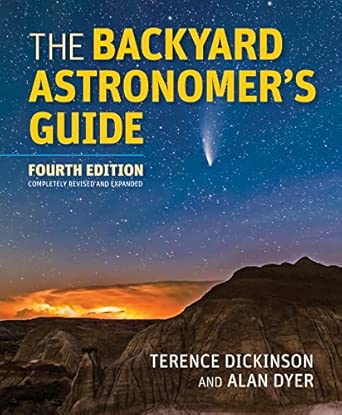 | Best for Practical Backyard Observing | Title: The Backyard Astronomer’s Guide | ASIN: 0228103274 | Format: Book | VIEW LATEST PRICE | See Our Full Breakdown |
| 100 Things to See in the Night Sky, Expanded Edition: Your Illustrated Guide to the Planets, Satellites, Constellations, and More | 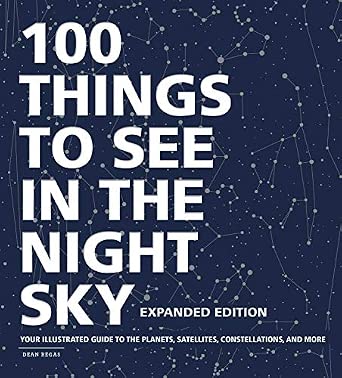 | Best for a Visual First-Targets Checklist | Title: 100 Things to See in the Night Sky, Expanded Edition: Your Illustrated Guide to the Planets, Satellites, Constellations, and More | ASIN: 1507213816 | Edition: Expanded Edition | VIEW LATEST PRICE | See Our Full Breakdown |
| Sky Gazing: A Guide to the Moon, Sun, Planets, Stars, Eclipses, and Constellations |  | Best for Exploring a Range of Sky Subjects | Title: Sky Gazing: A Guide to the Moon, Sun, Planets, Stars, Eclipses, and Constellations | ASIN: 1635860962 | Book type: Guide | VIEW LATEST PRICE | See Our Full Breakdown |
| National Geographic Backyard Guide to the Night Sky, 2nd Edition |  | Best for a Second-Edition Backyard Reference | Title: National Geographic Backyard Guide to the Night Sky, 2nd Edition | ASIN: 1426220154 | Edition: 2nd Edition | VIEW LATEST PRICE | See Our Full Breakdown |
| Astronomy: A Self-Teaching Guide, Eighth Edition | 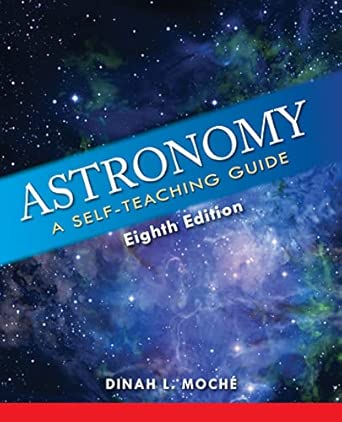 | Best for Structured Self-Study | Title: Astronomy: A Self-Teaching Guide, Eighth Edition | ASIN: 1620459906 | Edition: Eighth Edition | VIEW LATEST PRICE | See Our Full Breakdown |
| Stargazing: Beginner’s Guide to Astronomy |  | Best for a Broad First Introduction | Title: Stargazing: Beginner’s Guide to Astronomy | Subject: Stargazing and astronomy | Intended audience: Beginners | VIEW LATEST PRICE | See Our Full Breakdown |
| The Ultimate Beginner Telescope Guidebook: Over 250 Targets for Beginners |  | Best for Telescope Target Planning | Format: Guidebook | Intended audience: Beginners | Observing targets: Over 250 | VIEW LATEST PRICE | See Our Full Breakdown |
| Star Finder!: A Step-by-Step Guide to the Night Sky |  | Best for Learning How to Find Objects | Title: Star Finder!: A Step-by-Step Guide to the Night Sky | Primary focus: Finding and identifying night-sky objects | Instruction style: Step-by-step | VIEW LATEST PRICE | See Our Full Breakdown |
| 110 Night Sky Treasures to See with a Telescope |  | Best for Kids and Shared Telescope Sessions | Format: Book | Intended audience: Kids and astronomy beginners | Number of night-sky objects: 110 | VIEW LATEST PRICE | See Our Full Breakdown |
| Astronomy for Dummies |  | Best for Structured Self-Study | Format: Book | Intended audience: Beginners | Subject: Astronomy | VIEW LATEST PRICE | See Our Full Breakdown |
| National Geographic Stargazer’s Atlas: The Ultimate Guide to the Night Sky |  | Best for Visual Sky Orientation | Title: National Geographic Stargazer’s Atlas: The Ultimate Guide to the Night Sky | Publisher or brand: National Geographic | Book type: Night-sky atlas | VIEW LATEST PRICE | See Our Full Breakdown |
| 50 Things to See with a Telescope: A Constellation-Focused Approach for Kids |  | Best for Kids Starting Telescope Observing | Title: 50 Things to See with a Telescope: A Constellation-Focused Approach for Kids | Audience: Kids | Approach: Constellation-focused | VIEW LATEST PRICE | See Our Full Breakdown |
| Astronomy for Beginners: An Introduction to Space, the Cosmos, Galaxies, and Celestial Bodies |  | Best for a Broad First Introduction | Title: Astronomy for Beginners: An Introduction to Space, the Cosmos, Galaxies, and Celestial Bodies | Audience: Beginners | Subject: Astronomy | VIEW LATEST PRICE | See Our Full Breakdown |
| Astronomy Activity Book for Kids: 100+ Fun Ways to Learn About Space and Stargazing |  | Best for Hands-On Space Learning | Title: Astronomy Activity Book for Kids: 100+ Fun Ways to Learn About Space and Stargazing | Audience: Kids | Book type: Activity book | VIEW LATEST PRICE | See Our Full Breakdown |
| astronomy books for beginner | Title | Subject |
|---|---|---|
| The Backyard Astronomer’s Guid | The Backyard Astronomer’s Guide | Astronomy |
| 100 Things to See in the Night | 100 Things to See in the Night Sky, Expanded Edition: Your Illustrated Guide to the Planets, Satellites, Constellations, and More | Night sky |
| Sky Gazing: A Guide to the Moo | Sky Gazing: A Guide to the Moon, Sun, Planets, Stars, Eclipses, and Constellations | — |
| National Geographic Backyard G | National Geographic Backyard Guide to the Night Sky, 2nd Edition | Night sky |
| Astronomy: A Self-Teaching Gui | Astronomy: A Self-Teaching Guide, Eighth Edition | Astronomy |
| Stargazing: Beginner’s Guide t | Stargazing: Beginner’s Guide to Astronomy | Stargazing and astronomy |
| The Ultimate Beginner Telescop | — | — |
| Star Finder!: A Step-by-Step G | Star Finder!: A Step-by-Step Guide to the Night Sky | — |
| 110 Night Sky Treasures to See | — | — |
| Astronomy for Dummies | — | Astronomy |
| National Geographic Stargazer’ | National Geographic Stargazer’s Atlas: The Ultimate Guide to the Night Sky | Night sky |
| 50 Things to See with a Telesc | 50 Things to See with a Telescope: A Constellation-Focused Approach for Kids | Astronomical observing targets |
| Astronomy for Beginners: An In | Astronomy for Beginners: An Introduction to Space, the Cosmos, Galaxies, and Celestial Bodies | Astronomy |
| Astronomy Activity Book for Ki | Astronomy Activity Book for Kids: 100+ Fun Ways to Learn About Space and Stargazing | — |
More Details on Our Top Picks
The Backyard Astronomer’s Guide
The Backyard Astronomer’s Guide is the strongest fit here for beginners whose main goal is learning how to observe from home. Its backyard focus gives it a more practical role than Astronomy: A Self-Teaching Guide, which is framed as a general learning resource, and a broader purpose than a list of sights such as 100 Things to See in the Night Sky. That makes it a sensible anchor for readers choosing observing as a new hobby, rather than just looking for a quick tour of celestial subjects.
The tradeoff is that the supplied product information gives no details about its topics, illustrations, equipment guidance, or edition, so I can’t verify how much instruction it offers or how accessible its layout is. It may be less appealing to readers who want a clearly defined checklist or a structured lesson format.
Pros:- Backyard observing is the book’s stated focus, giving beginners a clear practical use case.
- Its broad title suggests a guide-oriented approach rather than a narrow catalog of targets.
- Offers an alternative to the self-teaching structure of Astronomy: A Self-Teaching Guide.
- Can suit readers who want a general home-observing reference.
Cons:- No product description or technical specifications were provided beyond the title and identifier.
- The available information does not confirm whether it includes maps, equipment advice, or beginner lessons.
- Its breadth may feel less immediately actionable than an illustrated list of specific sights.
Best for: New backyard observers who want a book centered on learning the hobby at home rather than following a list of targets.
Not ideal for: Readers who need confirmed details about equipment advice, visual aids, or a step-by-step curriculum before choosing a guide.
- Title:The Backyard Astronomer’s Guide
- ASIN:0228103274
- Format:Book
- Stated focus:Backyard astronomy
- Subject:Astronomy
- Audience fit:Beginner backyard observers
Our verdict“Choose this if you want a backyard-focused astronomy guide, but compare its contents first if you need verified maps or a structured beginner course.”
100 Things to See in the Night Sky, Expanded Edition: Your Illustrated Guide to the Planets, Satellites, Constellations, and More
100 Things to See in the Night Sky gives beginners a concrete starting point: an illustrated guide organized around 100 sights, including planets, satellites, and constellations. That target-led approach is more immediately actionable than Sky Gazing, whose description names observing subjects but does not specify a checklist. It also offers a different entry point from The Backyard Astronomer’s Guide, which is framed around backyard astronomy rather than a set number of objects.
The list format can help readers turn a night outside into a manageable search, while illustrations offer visual context before they head out. The tradeoff is that a 100-item scope may favor breadth over detailed observing instruction, and the supplied information does not say whether the book includes charts, seasonal guidance, or equipment advice. Choose it for visual discovery, not as a confirmed technical course.
Pros:- Covers 100 night-sky sights, giving beginners clear targets to pursue.
- Illustrated format can help readers connect descriptions with what they see.
- Includes planets, satellites, and constellations rather than focusing on one object type.
- Expanded Edition is explicitly identified in the product title.
Cons:- A target list may offer less step-by-step instruction than a dedicated learning guide.
- The supplied details do not confirm whether charts or seasonal observing guidance are included.
- The breadth of 100 sights may be more than a casual reader wants to work through.
Best for: New stargazers who want an illustrated, finite list of night-sky targets to search for at their own pace.
Not ideal for: Readers seeking a confirmed observing curriculum, detailed star charts, or in-depth telescope instruction.
- Title:100 Things to See in the Night Sky, Expanded Edition: Your Illustrated Guide to the Planets, Satellites, Constellations, and More
- ASIN:1507213816
- Edition:Expanded Edition
- Guide format:Illustrated guide
- Number of sights:100
- Subject:Night sky
- Topics:Planets, satellites, constellations, and more
Our verdict“Pick this for illustrated target-hunting and variety; choose Sky Gazing instead if you prefer a guide organized around observing subjects.”
Sky Gazing: A Guide to the Moon, Sun, Planets, Stars, Eclipses, and Constellations
Sky Gazing is a good match for beginners who want to explore several kinds of sky objects and events, from the Moon and Sun to planets, stars, eclipses, and constellations. Its subject range is more explicit than the sparse listing for The Backyard Astronomer’s Guide, and broader by category than the target-count approach of 100 Things to See in the Night Sky. That makes it appealing to readers who want a topic-led introduction rather than a fixed checklist.
Its main limitation is the lack of further product details: the available information does not confirm how the topics are taught, whether illustrations or charts appear, or whether the book gives practical observing instructions. Beginners who need clear directions for finding objects may be better served by a guide that explicitly promises a target list. This is the broader subject sampler, with less verifiable detail about its teaching format.
Pros:- Covers a wide range of subjects, including both celestial objects and eclipses.
- The listed topics make its scope clearer than products with only a general backyard focus.
- Offers a subject-led alternative to 100 Things to See in the Night Sky’s numbered list.
- Can suit readers who want to sample multiple areas of astronomy.
Cons:- No information was supplied about illustrations, charts, or the book’s teaching format.
- The broad topic range may leave less room for detailed instruction on any one subject.
- No specific target count or observing method is stated.
Best for: Curious beginners who want one guide spanning the Moon, Sun, planets, stars, eclipses, and constellations.
Not ideal for: First-time observers who need confirmed star maps, a numbered target checklist, or explicit step-by-step instructions.
- Title:Sky Gazing: A Guide to the Moon, Sun, Planets, Stars, Eclipses, and Constellations
- ASIN:1635860962
- Book type:Guide
- Primary subject:Sky observing
- Named topics:Moon, Sun, planets, stars, eclipses, and constellations
- Audience fit:Beginner sky observers
Our verdict“Choose Sky Gazing if breadth across sky subjects matters more than a verified checklist or detailed observing method.”
National Geographic Backyard Guide to the Night Sky, 2nd Edition
National Geographic Backyard Guide to the Night Sky is aimed at beginners who want a backyard observing guide, with the added distinction of being identified as a 2nd Edition. Its night-sky focus is more specific than the broad subject sweep described for Sky Gazing, while its backyard framing puts it near The Backyard Astronomer’s Guide in intended use. The edition label is useful context for readers comparing versions, though the supplied information does not explain what changed.
I would treat this as a promising general backyard reference, not as a confirmed map-heavy field guide: no description was provided about charts, illustrations, seasonal coverage, or observing lessons. That makes it harder to judge how quickly a novice can use it under the night sky. Compared with the explicitly illustrated 100 Things to See in the Night Sky, it has a less defined visual and checklist promise based on the available details.
Pros:- The title directly identifies backyard night-sky observing as its focus.
- The 2nd Edition label helps distinguish it from an earlier edition.
- Its specific night-sky framing is narrower than a general astronomy textbook.
- Provides a direct comparison point for The Backyard Astronomer’s Guide.
Cons:- No details were provided about the book’s content, charts, or teaching approach.
- The available information does not state what changed in the second edition.
- Its practical value for locating objects cannot be verified from the supplied description.
Best for: Beginners looking for a night-sky guide explicitly framed for backyard use and who want the second edition.
Not ideal for: Buyers who need confirmed star charts, illustrations, or a clear account of what the updated edition adds.
- Title:National Geographic Backyard Guide to the Night Sky, 2nd Edition
- ASIN:1426220154
- Edition:2nd Edition
- Guide focus:Backyard observing
- Subject:Night sky
- Audience fit:Beginner backyard observers
Our verdict“Consider this for a backyard-focused second-edition guide, but verify its charts and updated content if those features will shape your choice.”
Astronomy: A Self-Teaching Guide, Eighth Edition
Astronomy: A Self-Teaching Guide is the clearest choice in this group for readers who want to learn astronomy through a self-directed guide rather than start with a list of objects to spot. Its stated self-teaching format gives it a different role from 100 Things to See in the Night Sky, which centers on 100 sights, and from the backyard-focused National Geographic Backyard Guide to the Night Sky. The Eighth Edition label also makes the edition explicit, although no details about its updates were supplied.
This format may suit a learner who wants to build understanding at home before planning observing sessions. The tradeoff is that the available description does not identify its lesson structure, level, exercises, or observing content, so it cannot be assumed to function as a field guide. Choose it for a self-study orientation, not specifically for a confirmed collection of night-sky maps or targets.
Pros:- The self-teaching format gives independent learners a clear reason to choose it.
- Its learning-oriented role differs from the target-list approach of 100 Things to See in the Night Sky.
- The Eighth Edition is specified in the title.
- Can serve readers seeking a broader study resource rather than only an observing checklist.
Cons:- The supplied details do not describe lessons, exercises, or the level of mathematics involved.
- No specific night-sky observing targets or charts are confirmed.
- The edition label does not explain what content has been updated.
Best for: Independent learners who want a self-teaching astronomy book and prefer studying concepts before choosing observing targets.
Not ideal for: Readers whose main need is a portable observing guide with confirmed maps, target lists, or backyard instructions.
- Title:Astronomy: A Self-Teaching Guide, Eighth Edition
- ASIN:1620459906
- Edition:Eighth Edition
- Book type:Self-teaching guide
- Subject:Astronomy
- Audience fit:Independent learners and beginners
Our verdict“Choose this for self-directed study of astronomy; pick a backyard or target-list guide if your priority is knowing what to observe tonight.”
Stargazing: Beginner’s Guide to Astronomy
Stargazing: Beginner’s Guide to Astronomy is the most straightforward fit for someone who wants a general introduction before choosing a more specialized observing book. Its title promises both stargazing and astronomy, making it a broader starting point than The Ultimate Beginner Telescope Guidebook, which is specifically organized around telescope targets. However, the available product information does not specify chapters, illustrations, equipment guidance, or observing lists, so I can’t judge how much practical help it offers at the eyepiece. That lack of detail also makes it harder to distinguish from broader options such as Astronomy for Dummies, which explicitly includes online chapter quizzes. I’d shortlist this book for a reader who wants an introductory overview, but choose a target-focused guide if the immediate goal is planning observing sessions.
Pros:- Its stated scope covers both stargazing and astronomy
- A broad subject focus can suit readers still deciding which part of astronomy interests them
- The beginner framing makes it a plausible first read
Cons:- No details are provided about observing targets or practical sky-finding instruction
- The format and supporting materials are unspecified
- Its scope is less clearly differentiated than telescope-target guides
Best for: New readers who want a general introduction to stargazing and astronomy before committing to a telescope-focused guide
Not ideal for: Beginners who need a verified observing checklist, equipment instructions, or clear details about the book’s structure
- Title:Stargazing: Beginner’s Guide to Astronomy
- Subject:Stargazing and astronomy
- Intended audience:Beginners
- Format:Not specified
- Observing targets:Not specified
- Equipment guidance:Not specified
Our verdict“Choose it for a broad first introduction, but pick a guide with a stated target list if you want a more concrete observing plan.”
The Ultimate Beginner Telescope Guidebook: Over 250 Targets for Beginners
The Ultimate Beginner Telescope Guidebook earns its place by giving new telescope users a clear practical focus: more than 250 observing targets. That makes it a stronger match for someone ready to point a telescope at the sky than Stargazing: Beginner’s Guide to Astronomy, whose available description offers no target count or equipment-specific detail. The large list can help readers move from learning about astronomy to choosing what to observe next. Its tradeoff is that the supplied information emphasizes targets, not a broad explanation of astronomy or whether the book teaches telescope setup and sky navigation. For a newcomer who wants a wide menu of objects, that focus is useful; for a reader still building basic concepts or seeking a family-oriented introduction, 110 Night Sky Treasures to See with a Telescope may be a more approachable alternative.
Pros:- Designed specifically for beginner telescope users
- Lists more than 250 observing targets
- A target-centered format can help turn interest into planned observing sessions
Cons:- The available description does not confirm telescope setup or operating instructions
- A large target list may be less useful to readers who first need basic astronomy explanations
- No details are provided about illustrations, target descriptions, or organization
Best for: First-time telescope owners who want a large selection of observing targets to guide their early sessions
Not ideal for: Readers seeking a broad astronomy primer or confirmed instructions for choosing, setting up, and using a telescope
- Format:Guidebook
- Intended audience:Beginners
- Observing targets:Over 250
- Primary focus:Telescope observing
- Telescope setup instructions:Not specified
- Illustrations:Not specified
Our verdict“Pick this guide if you already have a telescope and want many targets to pursue; choose a general primer if you need astronomy fundamentals first.”
Star Finder!: A Step-by-Step Guide to the Night Sky
Star Finder! stands apart by focusing on the process of locating and identifying objects, rather than simply offering a large list of targets. Its step-by-step approach may suit a beginner who feels unsure how to turn a sky chart or a night outside into a successful observation. Compared with The Ultimate Beginner Telescope Guidebook, which advertises more than 250 targets, this book’s stated advantage is guidance through finding objects; the available details do not say how many objects it covers or whether it requires a telescope. That makes it a potentially useful choice for learning the basics of sky-finding, but a less certain pick for anyone who wants a measurable target checklist or clearly stated equipment advice. The product information also leaves its format and visual aids unspecified.
Pros:- Explicitly focuses on finding and identifying night-sky objects
- Step-by-step framing may give new observers a clear learning path
- Its stated approach differs from target-count-led telescope guides
Cons:- No number or range of covered objects is provided
- The description does not clarify whether it supports naked-eye, binocular, or telescope observing
- Format and visual reference details are unspecified
Best for: Beginners who want sequential help finding and identifying night-sky objects rather than a large target inventory
Not ideal for: Telescope owners seeking a confirmed list of targets, equipment instructions, or details about charts and illustrations
- Title:Star Finder!: A Step-by-Step Guide to the Night Sky
- Primary focus:Finding and identifying night-sky objects
- Instruction style:Step-by-step
- Intended audience:Not specified
- Format:Not specified
- Observing equipment:Not specified
Our verdict“Choose it if learning a sequence for locating objects matters more than having a stated target count.”
110 Night Sky Treasures to See with a Telescope
110 Night Sky Treasures to See with a Telescope pairs a defined target list with an audience that includes kids and astronomy beginners. Its 110 objects offer a more bounded starting point than The Ultimate Beginner Telescope Guidebook, whose list exceeds 250 targets; that smaller scope may feel easier for families who prefer a manageable set of discoveries. The description names planets, constellations, and distant galaxies, giving newcomers a sense of the range covered. The main tradeoff is practical: the book is framed around telescope viewing, so buyers without access to a telescope may not be able to use its central premise as intended. The available information does not describe target-finding instructions, age range, or whether the book includes charts, so I’d favor it for its audience and scope rather than assume it is a complete telescope manual.
Pros:- Designed for kids and astronomy beginners
- Includes a defined set of 110 night-sky objects
- Covers planets, constellations, and distant galaxies
- A smaller target list may be easier to work through than a guide with over 250 targets
Cons:- Telescope use is suggested, which may require equipment the reader does not own
- The available information does not specify target-finding instructions or charts
- Its family-oriented scope may not satisfy readers seeking a broad, detailed astronomy reference
Best for: Families introducing children or new hobbyists to a telescope through a defined selection of celestial objects
Not ideal for: Readers without telescope access, or adults seeking a detailed astronomy course or confirmed equipment instructions
- Format:Book
- Intended audience:Kids and astronomy beginners
- Number of night-sky objects:110
- Named subject areas:Planets, constellations, and distant galaxies
- Observing method:Telescope viewing
- Age range:Not specified
Our verdict“Choose this for family telescope sessions with a manageable set of objects, but skip it if you lack telescope access.”
Astronomy for Dummies
Astronomy for Dummies is the strongest fit here for a beginner who wants to study astronomy as a subject, not only collect objects to observe. Its beginner-friendly framing is paired with online chapter quizzes, giving readers a way to check their understanding—an advantage over target-led titles such as The Ultimate Beginner Telescope Guidebook, whose supplied details focus on observing more than 250 objects. That educational structure is useful for someone who prefers reading in chapters and reviewing key ideas. The tradeoff is that the product information does not specify telescope targets, sky-finding instruction, or the subjects covered in each chapter. Compared with Star Finder!, it is a clearer choice for study and recall, but less clearly tailored to the practical act of locating objects outside.
Pros:- Designed as a beginner-friendly introduction to astronomy
- Online chapter quizzes offer a way to review material
- Structured chapter-based learning may suit readers studying at their own pace
- More explicitly educational than the lineup’s target-list-focused guides
Cons:- The available details do not identify specific topics or chapter coverage
- No observing target count is provided
- Online quizzes may be less useful to readers seeking a field-oriented sky guide
Best for: Self-directed beginners who want an introductory astronomy book with quizzes to reinforce chapter learning
Not ideal for: New observers whose main need is a telescope target list or step-by-step guidance for finding objects in the sky
- Format:Book
- Intended audience:Beginners
- Subject:Astronomy
- Included resource:Online chapter quizzes
- Observing targets:Not specified
- Sky-finding instructions:Not specified
Our verdict“Choose it for chapter-based astronomy learning and knowledge checks, not as your main guide to telescope targets.”
National Geographic Stargazer’s Atlas: The Ultimate Guide to the Night Sky
I’d choose this when a beginner wants a sky atlas as a visual reference rather than a lesson-led introduction to astronomy. Its night-sky focus gives it a different role from Astronomy for Beginners: An Introduction to Space, the Cosmos, Galaxies, and Celestial Bodies, which is framed around broad foundational topics. The National Geographic title and atlas format make it a natural candidate for readers who want help relating the night sky to what they see outside, though the supplied details don’t specify chart features, target lists, or observing instructions. That missing information makes it harder to recommend as a sole guide for a first observing session. Compared with the kid-focused 50 Things to See with a Telescope, this is the more general-audience choice, but it may be less explicit about what to look for through a telescope.
Pros:- Focuses on the night sky, making it relevant to practical stargazing
- Atlas framing offers a different starting point from broad astronomy textbooks
- National Geographic branding may appeal to readers seeking a visually oriented reference
Cons:- Supplied details do not confirm chart formats, observing targets, or how-to guidance
- May not provide enough structured instruction to serve as a beginner’s only astronomy book
Best for: Beginning stargazers who want a general night-sky atlas to accompany their first steps outdoors
Not ideal for: Readers seeking a step-by-step observing plan, telescope targets, or a clearly described astronomy curriculum
- Title:National Geographic Stargazer’s Atlas: The Ultimate Guide to the Night Sky
- Publisher or brand:National Geographic
- Book type:Night-sky atlas
- Subject:Night sky
- Stated audience:Not specified in supplied product data
- Observing format:Atlas-focused
Our verdict“Choose this as a night-sky reference if you want an atlas-style companion, but pick a clearly structured introductory guide for step-by-step learning.”
50 Things to See with a Telescope: A Constellation-Focused Approach for Kids
This is the most direct choice here for a child who already has access to a telescope and wants a manageable observing goal: find objects by working through constellations. That structure connects the sky’s patterns to what the reader is trying to observe, rather than presenting astronomy as a broad survey. Compared with Astronomy Activity Book for Kids: 100+ Fun Ways to Learn About Space and Stargazing, this title is more tightly aimed at telescope sessions; the activity book offers a wider range of ways to learn, but its supplied details don’t promise a target-by-target observing sequence. The tradeoff is scope: 50 targets and a constellation-focused approach are specific, but the product data doesn’t say how much background instruction, equipment advice, or adult support the book includes. I’d favor it for guided outings, not as a full introduction to astronomy.
Pros:- Organizes observing targets around constellations
- Designed specifically for kids
- Keeps the focus on objects to seek with a telescope
- A defined set of 50 targets can give observing sessions a clear goal
Cons:- Its telescope-centered approach may be less useful to children without access to one
- Supplied details do not establish how much beginner instruction or equipment guidance it provides
Best for: Children with access to a telescope who want a constellation-based list of observing targets
Not ideal for: Families looking for a broad space curriculum, detailed telescope setup advice, or activities that do not require observing equipment
- Title:50 Things to See with a Telescope: A Constellation-Focused Approach for Kids
- Audience:Kids
- Approach:Constellation-focused
- Observing method:Telescope observing
- Target count:50
- Subject:Astronomical observing targets
- ASIN:0999034650
Our verdict“Pick this for a child ready to use a telescope and follow constellation-based targets, rather than for broad, equipment-free space learning.”
Astronomy for Beginners: An Introduction to Space, the Cosmos, Galaxies, and Celestial Bodies
For someone who wants a wide-angle introduction before choosing a narrower interest, this title is the clearest fit in this batch. Its stated subjects—space, the cosmos, galaxies, and celestial bodies—cover more ground than 50 Things to See with a Telescope, which is aimed at children and organized around observing targets. That breadth may help a beginner build a basic vocabulary and understand what astronomy studies, but the supplied description gives no detail about chapter structure, illustrations, exercises, or observing advice. I’d treat it as a general starting point, not assume it doubles as a field guide. Compared with National Geographic Stargazer’s Atlas, it is framed as an introduction to concepts rather than an atlas of the night sky; readers who mainly want help identifying what is overhead may prefer the atlas instead.
Pros:- Explicitly aimed at beginners
- Covers several foundational astronomy subjects
- Offers a broader conceptual scope than a telescope-target guide
Cons:- Supplied details do not confirm practical stargazing or telescope guidance
- No information is provided about its teaching structure, illustrations, or level of detail
Best for: Adult beginners who want an introductory overview spanning galaxies, space, and celestial bodies before focusing on observing
Not ideal for: Readers seeking a practical sky atlas, a telescope target list, or a child-focused activity format
- Title:Astronomy for Beginners: An Introduction to Space, the Cosmos, Galaxies, and Celestial Bodies
- Audience:Beginners
- Subject:Astronomy
- Topics:Space, the cosmos, galaxies, and celestial bodies
- Book type:Introductory guide
- Observing format:Not specified in supplied product data
Our verdict“Choose this for a broad conceptual starting point, but use a sky atlas or observing guide if your priority is finding objects outdoors.”
Astronomy Activity Book for Kids: 100+ Fun Ways to Learn About Space and Stargazing
I’d choose this for a child who learns best by doing and needs more than a reading-only introduction. The stated 100+ activities span space and stargazing, giving it a broader activity-based role than 50 Things to See with a Telescope, which centers on finding 50 objects through constellations. That distinction matters: this book may suit a mix of indoor learning and sky-related activities, while the telescope guide is more focused for families planning observing sessions. The tradeoff is that the activity count alone doesn’t tell me what the activities involve, how much equipment they need, or how closely they teach astronomy concepts. It also won’t replace a structured overview like Astronomy for Beginners for readers who want continuous explanatory lessons. Its strongest fit is as an engaging supplement or science-themed gift.
Pros:- Includes more than 100 activities
- Combines space learning with stargazing
- Designed for kids
- Works as a science-themed gift as well as a learning resource
Cons:- Activity count does not indicate how much direct astronomy instruction is included
- Supplied details do not specify activity materials, difficulty, or telescope requirements
Best for: Children who enjoy hands-on activities and want a varied introduction to space and stargazing
Not ideal for: Readers seeking a reference atlas, a detailed telescope observing sequence, or a conventional lesson-based astronomy text
- Title:Astronomy Activity Book for Kids: 100+ Fun Ways to Learn About Space and Stargazing
- Audience:Kids
- Book type:Activity book
- Activity count:100+
- Subjects:Space and stargazing
- Gift suitability:Science-themed gift for children
Our verdict“Pick this for activity-led learning and variety; choose the telescope-focused guide if the child’s main goal is finding objects in the night sky.”

How We Picked
I ranked these books by how well they help a beginner move from curiosity to useful understanding or a practical observing session. I looked at the clarity of the learning path, whether the book supports naked-eye or telescope observing, how readily a reader can use its maps, illustrations, activities, or target lists, and whether its scope matches its likely audience. A beginner-friendly book should make the next step clear without assuming substantial astronomy knowledge.
The ranking favors versatility and practical value for a broad range of new readers, which puts The Backyard Astronomer’s Guide first. More specialized books rank lower overall, not because they lack a purpose, but because they serve narrower needs such as structured study, telescope target planning, or children’s activities. A focused guide can still be the better choice when its format matches the reader’s age, equipment, or learning style.
| astronomy books for beginner | Subject |
|---|---|
| The Backyard Astronomer’s Guid | Astronomy |
| 100 Things to See in the Night | Night sky |
| Sky Gazing: A Guide to the Moo | — |
| National Geographic Backyard G | Night sky |
| Astronomy: A Self-Teaching Gui | Astronomy |
| Stargazing: Beginner’s Guide t | Stargazing and astronomy |
| The Ultimate Beginner Telescop | — |
| Star Finder!: A Step-by-Step G | — |
| 110 Night Sky Treasures to See | — |
| Astronomy for Dummies | Astronomy |
| National Geographic Stargazer’ | Night sky |
| 50 Things to See with a Telesc | Astronomical observing targets |
| Astronomy for Beginners: An In | Astronomy |
| Astronomy Activity Book for Ki | — |
Factors to Consider When Choosing Astronomy Books For Beginners
Before choosing a title, decide what you want the book to help you do. A beginner who hopes to identify constellations has a different need from someone learning astronomy concepts or planning telescope sessions. These factors can help you match a book to your habits rather than choosing by title alone.
Choose a book for the way you will observe
Start by asking whether you expect to observe with your eyes, binoculars, or a telescope. A general guide can explain the sky and observation basics, but a telescope target book may be more useful once you are ready to point an instrument at specific objects. A common mistake is buying a telescope-focused title before knowing whether you enjoy setting up and using a telescope. If you are unsure, begin with a guide that includes naked-eye targets and basic observing advice. You can add an instrument-specific book later, when you know what kind of sessions you want.
Match the learning format to your attention style
Some readers learn best from a sequence of short lessons, while others prefer to open a book to an illustration or a list of objects and start browsing. Self-teaching formats can provide structure and a sense of progress, but they may feel like coursework to a reader who wants a casual hobby. Illustrated guides are easy to dip into, though they may not build concepts in a steady order. Think about whether you will read from front to back or use the book as a reference outdoors. Choosing for your real reading habits is more useful than assuming the most detailed format is always the best one.
Check whether maps and charts fit your observing location
Sky visibility changes with location, season, time, and light pollution, so a printed chart is a starting aid rather than a complete observing plan. Before buying, look at sample pages if available and check whether maps are clearly labeled and easy to read at the level of detail you need. Beginners can get stuck when a chart feels crowded or assumes familiarity with constellation names. A simple, legible guide may be more useful at the start than one packed with reference material. Pair print guidance with a current sky-planning resource when you need date-specific positions or local conditions.
Separate sky knowledge from observing instructions
A book about planets, stars, and galaxies can explain what objects are, but it may not teach you how to find them in the sky. Conversely, a target list can tell you what to look for without giving much background on why it matters. Decide which gap you want to fill before choosing a title. If you are starting from scratch, a broad introduction paired with a simple observing reference can be more useful than expecting one book to do everything. This distinction also helps you avoid buying two books that cover the same ground.
Pay for depth only when you will use it
A larger reference or advanced learning format can be a strong long-term choice if you expect to revisit it as your knowledge grows. It can be unnecessary baggage for a reader who wants a quick guide for occasional nights outside. Consider whether you will use the book at home, carry it outdoors, or keep it near a telescope; those habits affect how much detail and reference material are practical. A compact, focused book may be easier to consult in the field, while a broad reference can offer more value for study at home. Choose depth for repeated use, not simply because a book covers more topics.
For children, prioritize participation over coverage
When choosing for a child, consider whether the book invites shared observation, simple activities, or independent reading at the child’s current level. A telescope-oriented title may be engaging for a family that already has an instrument, but it can frustrate a child who has no way to view the suggested targets. Activity books can make learning hands-on, though they may offer less depth as a reference for adults. Check the age and reading level rather than assuming any book labeled for beginners will suit a young reader. The best fit is the one that gives the child a reachable next activity and a reason to return to the sky.
Frequently Asked Questions
Should I buy a general astronomy introduction or a stargazing guide first?
Choose a general introduction if your main goal is to understand planets, stars, galaxies, and other astronomy concepts. Choose a stargazing guide if you want help recognizing constellations or finding objects during an observing session. Beginners often benefit from a book that combines both, but no single format will provide equal depth in every area. If you are unsure which direction will hold your interest, start with an accessible, illustrated guide and note what questions come up while you read. Those questions will point you toward a more specialized second book.
Can a telescope target book help if I do not own a telescope yet?
It can show you what telescope observing involves, but its target lists are most useful when you have access to an instrument. Many objects look different through a telescope than they do in photographs, so expectations matter as much as the target list itself. If you are still deciding whether to buy a telescope, start with naked-eye observing or borrow an instrument at a club or public event. That gives you a better sense of what you enjoy before choosing equipment or a specialist book. A general night-sky guide is usually the more flexible first purchase.
Is a self-teaching astronomy book too advanced for a complete beginner?
Not necessarily; a self-teaching structure can suit a new learner who likes clear lessons and opportunities to check understanding. The more useful question is whether you want to study in sequence or consult a book casually when a question arises. A quiz or exercise-based format may help concepts stick, but it can feel demanding if you only want quick observing tips. Look for a clear starting point and explanations that do not assume prior science knowledge. If you prefer browsing, an illustrated guide may be a gentler entry point.
Should I choose an astronomy book for a child or a general beginner’s book?
Choose a children’s title when its reading level, activities, and suggested observing tasks match the child’s age and interests. A general beginner’s book may offer more detail for a family member who will help explain concepts, but its text or layout may not invite a young reader to use it independently. Also check whether the book assumes access to a telescope; some children’s guides are most engaging when an adult can help with equipment. For a child who likes making and doing, an activity-centered book can be a better starting point than a reference-heavy one. The right choice supports shared curiosity without turning every session into a lesson.
Can one book work for both learning astronomy and planning observing sessions?
Some broad guides can support both purposes, but a book that explains the science in detail may not offer the most direct instructions for finding objects. A practical observing reference can help you plan a session while providing less background on what you see. Decide which task you expect to do most often, then check whether the book includes both readable explanations and usable charts or target guidance. If you want both capabilities, a versatile guide can be a sound first choice, followed by a specialized companion only when a clear gap appears. This approach avoids buying overlapping books before you know what you need.
Conclusion
For most beginners, I recommend The Backyard Astronomer’s Guide as the best overall because it addresses a wider range of early astronomy and observing needs than a narrowly focused title. For readers seeking an accessible visual introduction, 100 Things to See in the Night Sky is a strong starting point; for structured learning, choose Astronomy: A Self-Teaching Guide. Readers who want telescope targets should look to The Ultimate Beginner Telescope Guidebook or 110 Night Sky Treasures to See with a Telescope, while young learners may prefer Astronomy Activity Book for Kids or 50 Things to See with a Telescope, depending on whether they want activities or observing targets. For a premium-style choice with broader reference value, choose the most complete general guide that matches your reading habits rather than paying for detail you will not use. The best book is the one that fits how you plan to learn and gives you a clear next step after reading.