
TL;DR
India’s earthquake warning system can detect seismic activity and issue alerts seconds before shaking begins, but it cannot predict earthquakes in advance. This distinction impacts disaster preparedness efforts.
India’s earthquake warning system can detect seismic activity moments before shaking occurs, allowing for short-term alerts that can save lives, but it cannot predict earthquakes days or weeks in advance. This capability, confirmed by officials and scientists, enhances disaster response but does not equate to true prediction.
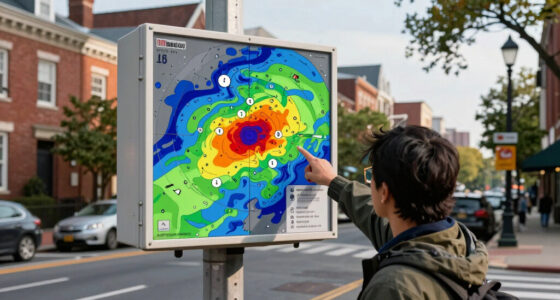
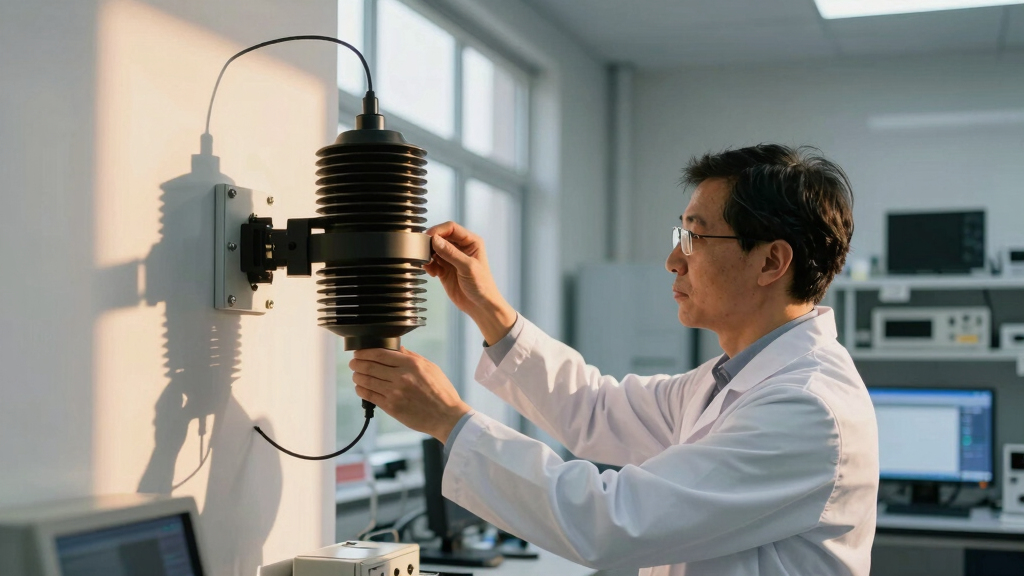
The Indian government has implemented an earthquake early warning system that leverages seismic sensors across seismic zones to detect initial P-waves, which travel faster than the destructive S-waves. Once detected, alerts are issued to authorities and the public within seconds, providing critical time to take protective measures.
According to officials from the Indian Meteorological Department (IMD), the system is designed to give seconds-to-minutes notice, primarily in urban areas and critical infrastructure zones. It does not forecast earthquakes days in advance, nor can it reliably predict the time, location, or magnitude of future quakes. Experts emphasize that the system’s primary function is rapid detection and warning, not prediction.
Scientists involved in the project clarify that earthquake prediction remains a scientific challenge worldwide. While India has made progress in detection and early warning, it does not possess the capability to forecast earthquakes with long lead times, unlike weather forecasting.
Why India’s Earthquake Warning System Matters for Public Safety
This system enhances India’s disaster preparedness by providing crucial seconds to minutes of warning, enabling people to seek shelter and authorities to halt operations in critical infrastructure. It reduces casualties and economic losses during earthquakes, especially in densely populated urban centers.
However, understanding its limitations is vital. Since it cannot predict earthquakes beforehand, communities must continue to focus on building resilient infrastructure and public awareness to mitigate long-term risks.
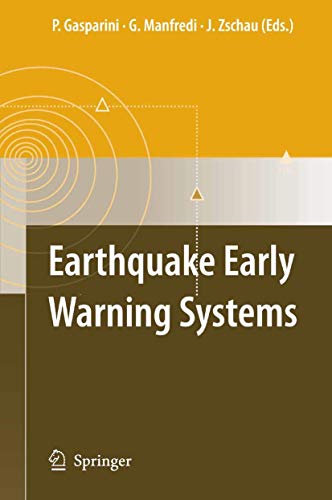
Earthquake Early Warning Systems
Used Book in Good Condition
As an affiliate, we earn on qualifying purchases.
As an affiliate, we earn on qualifying purchases.
The Development and Limits of Earthquake Prediction Technology in India
India is situated in a seismically active zone, with frequent earthquakes affecting its northern and northeastern regions. The government has invested in seismic monitoring networks over the past decade, aiming to improve early warning capabilities.
While earthquake prediction—forecasting the exact time, place, and magnitude—is still beyond scientific reach globally, early detection systems based on seismic sensors have become a practical tool for immediate alerts. India’s efforts follow global trends, with countries like Japan and Mexico deploying similar systems.
Experts note that despite technological advances, true prediction remains elusive, and early warning systems are best viewed as part of a broader disaster risk reduction strategy.
“Our system detects seismic waves seconds before shaking begins, which allows us to issue alerts in real time. However, it does not forecast earthquakes days in advance.”
— Dr. R. K. Sinha, Indian Meteorological Department
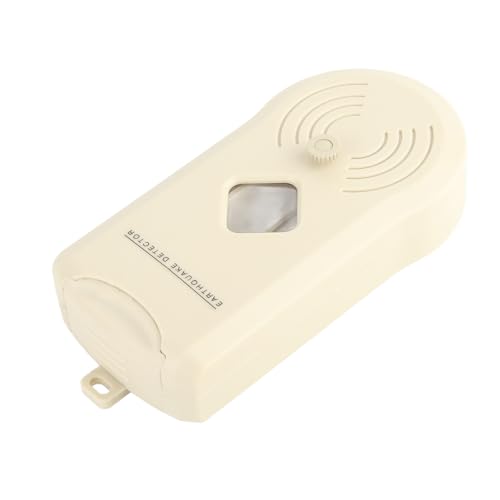
HURRISE Earthquake Detector – Get Early Warning Alerts of Impending – Adjustable Sensitivity & Easy Wall Mounting – Emergency Home Security Device
Groundbreaking Technology: The Earthquake Detector employs advanced detection technology, providing early warnings of seismic activities. This cutting-edge device…
As an affiliate, we earn on qualifying purchases.
As an affiliate, we earn on qualifying purchases.
Unconfirmed Aspects of India’s Earthquake Detection Capabilities
It is not yet clear how effective the system has been in real earthquake events or how widespread its coverage is across all vulnerable regions. Data on false alarms or missed detections remains limited, and ongoing evaluations are needed to assess reliability fully.
Scientists acknowledge that while the system improves response times, it does not eliminate the risk of casualties or damage, especially in areas with limited infrastructure or awareness.

Ready America 70280 72 Hour Emergency Kit, 2-Person, 3-Day Backpack, Includes First Aid Kit, Survival Blanket, Portable Preparedness Go-Bag for Camping, Car, Earthquake, Travel, Hiking, and Hunting, Red
Emergency Kit For Disaster Preparedness: Stay Prepared For Emergency Situations Everywhere You Go. Ready America Emergency Survival Kits…
As an affiliate, we earn on qualifying purchases.
As an affiliate, we earn on qualifying purchases.
Future Improvements and Integration of Earthquake Warning in India
India plans to expand its seismic sensor network and improve data processing algorithms to enhance detection speed and accuracy. Integration with public alert systems, including mobile notifications, is expected to increase awareness and preparedness.
Researchers are also exploring ways to incorporate machine learning to better interpret seismic data, although long-term prediction remains a distant goal. Continued investment in public education and resilient infrastructure will complement technological advances.
HURRISE Earthquake Detector – Get Early Warning Alerts of Impending – Adjustable Sensitivity & Easy Wall Mounting – Emergency Home Security Device
Groundbreaking Technology: The Earthquake Detector employs advanced detection technology, providing early warnings of seismic activities. This cutting-edge device…
As an affiliate, we earn on qualifying purchases.
As an affiliate, we earn on qualifying purchases.
Key Questions
Can India predict earthquakes days in advance?
No, current scientific understanding and technology do not allow for long-term earthquake prediction. The system provides short-term alerts based on seismic detection.
How does India’s earthquake warning system work?
It detects initial seismic waves (P-waves) seconds before the destructive waves (S-waves) arrive, allowing for immediate alerts to authorities and the public.
What are the limitations of the system?
The system cannot forecast earthquakes days or weeks in advance, and its effectiveness depends on sensor coverage and detection accuracy. False alarms and missed events are possible.
Will this system prevent earthquake damage?
While it can save lives by providing early warnings, it does not prevent earthquakes or their damage. Resilient infrastructure and preparedness remain essential.
Is earthquake prediction a scientific possibility in the near future?
Currently, earthquake prediction remains a scientific challenge worldwide. Advances focus on detection and early warning rather than precise forecasting.
Source: google-trends