
TL;DR
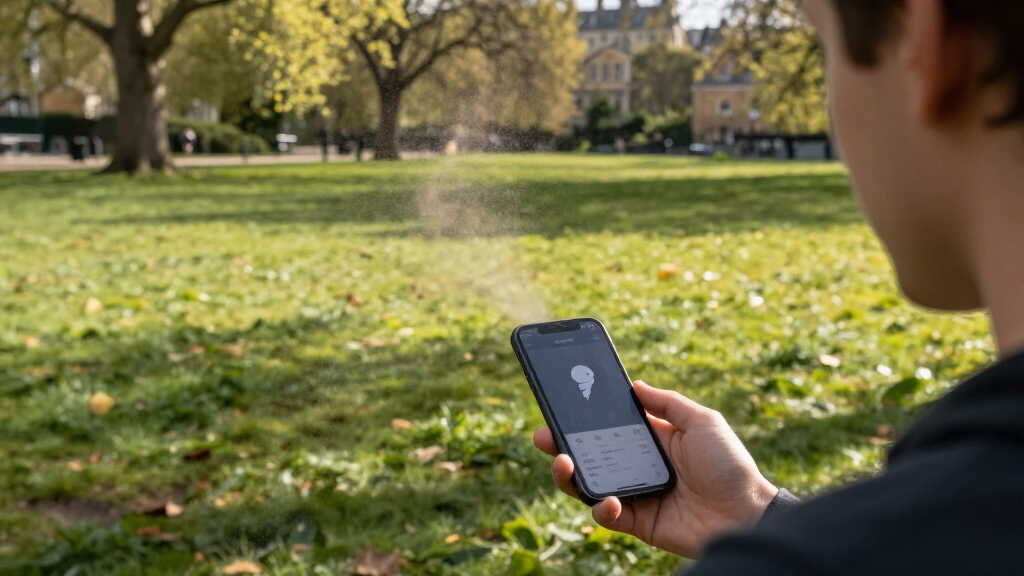
A dust devil was seen spinning through a London park today, causing minor disruptions. No injuries or damage have been reported. Authorities are looking into the event.
A dust devil was observed spinning through a London park earlier today, according to eyewitness reports. The event caused minor disturbances but no injuries or damage, prompting local authorities to investigate the incident.

Prime made for students and young adults
- Fast, free delivery for dorm and study essentials
- Prime Video and Amazon Music included
- Member-only deals
Multiple witnesses in Hyde Park reported seeing a swirling, column-like formation of dust and debris moving rapidly across the area. The event lasted approximately two minutes before dissipating. No injuries or property damage have been confirmed, and emergency services responded to the scene but found no immediate threats.
London’s meteorological officials stated that the dust devil likely formed due to specific weather conditions, including strong surface winds and localized temperature variations. The phenomenon is considered rare but not unprecedented in the UK, especially during dry and windy weather spells.
Implications of Dust Devils in Urban Environments
This incident demonstrates that dust devils can occur in urban areas, typically causing brief disturbances. It highlights the importance of monitoring local weather phenomena and their potential effects, particularly as climate patterns evolve. While generally harmless, such events can occasionally lead to safety concerns or minor property impacts if conditions intensify.
Popular right now

Roborock Q10 S5+ Robot Vacuum and Mop with Self-Emptying Station, 10,000 Pa Suction

LG 77-Inch OLED evo C5 Series Smart TV (2025)

Ninja SP151 Flip Toaster Oven & Air Fryer, Stainless Steel
As an affiliate, we earn on qualifying purchases.
Historical Occurrences of Dust Devils in the UK
Dust devils are more common in arid regions but have been recorded sporadically across the UK, particularly during hot, dry summers. Previous sightings include rural areas and during heatwaves. This event in central London is relatively uncommon, making it of interest to local residents and meteorologists.
Experts suggest that climate change could influence the frequency of such phenomena, although current data is limited. The last similar event in London occurred in 2018, but it was less prominent and lasted only seconds.
“There were no injuries or damage reported, and the incident is being reviewed by weather specialists.”
— London Metropolitan Police spokesperson
Unconfirmed Details About the Dust Devil’s Intensity
Details regarding the strength of the dust devil and potential for damage are still being analyzed. Meteorological data specific to this event is under review, and no warnings or advisories have been issued at this time.
Ongoing Investigation and Monitoring of Similar Events
Authorities and meteorologists will continue to monitor weather conditions that could produce similar phenomena. Investigations into this event are ongoing, and guidance may be issued if such occurrences become more frequent.
Public safety agencies are reviewing response procedures related to minor weather disturbances in urban areas.
Key Questions
What causes a dust devil to form?
A dust devil forms when hot air near the ground rises rapidly through cooler air above, creating a rotating column of air that lifts dust and debris. Specific conditions include strong surface winds and temperature differences.
Are dust devils dangerous?
Generally, dust devils are harmless and cause only minor disturbances. However, stronger ones can occasionally cause minor property damage or pose safety risks if they intensify.
How common are dust devils in London?
Dust devils are infrequent in London but have been reported sporadically during hot, dry weather. This event is unusual for the central London area and has attracted attention from residents and meteorologists.
Will there be more dust devils in the future?
The occurrence of dust devils in the UK is variable. Climate factors may influence their frequency, but current data does not allow for precise predictions. Monitoring will continue to assess potential trends.
Source: local