
TL;DR

Prime made for students and young adults
- Fast, free delivery for dorm and study essentials
- Prime Video and Amazon Music included
- Member-only deals
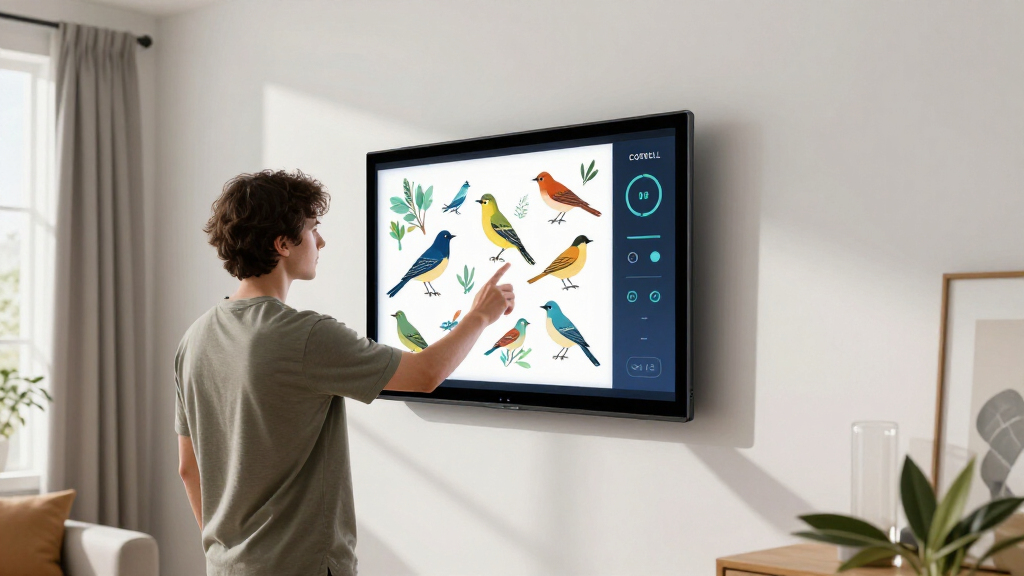
Cornell University has introduced an Interactive Wall of Birds, a digital exhibit designed to educate the public about bird diversity and conservation. The installation aims to enhance engagement and awareness.
Cornell University has officially unveiled its Interactive Wall of Birds, a digital exhibit designed to educate visitors about bird diversity and conservation efforts. The installation, located at the university’s Lab of Ornithology, aims to engage the public through an immersive visual experience, highlighting the importance of bird conservation.
The Wall of Birds features high-resolution images and information about over 250 bird species from around the world. It includes interactive elements such as touchscreens that allow visitors to explore species details, migration patterns, and threats facing different birds. Cornell officials confirmed that the exhibit is now open to the public and accessible at the university’s visitor center.
According to a statement from Cornell’s Lab of Ornithology, the Wall of Birds is part of a broader initiative to increase public awareness about avian conservation. The project was developed in collaboration with digital artists and ornithologists, aiming to combine education with engaging technology. The exhibit is expected to serve as a resource for educators, students, and bird enthusiasts alike.
Impact on Public Engagement and Conservation Awareness
This development matters because it provides a modern, interactive platform to educate the public about bird diversity and the threats facing avian species. By making information accessible and engaging, the Wall of Birds could influence conservation attitudes and inspire community involvement. The exhibit also demonstrates how digital technology can enhance educational outreach in natural sciences, potentially serving as a model for other institutions.Popular right now

Apple AirPods Pro 3 Wireless Earbuds with Active Noise Cancellation

TCL 65-Inch QM6K QLED Mini-LED 4K HDR Smart Google TV, 144Hz

KitchenAid Artisan 5-Quart Tilt-Head Stand Mixer, Almond Cream
As an affiliate, we earn on qualifying purchases.
Cornell’s History of Bird Conservation and Digital Innovation
Cornell’s Lab of Ornithology has a long-standing reputation for bird research and conservation, dating back to its founding in 1915. Over recent years, the institution has increasingly incorporated digital tools and interactive media into its outreach efforts. The Wall of Birds builds on this tradition, leveraging technology to reach broader audiences and foster greater engagement with bird conservation issues. This initiative aligns with Cornell’s ongoing efforts to modernize its educational programs and expand its public impact.“The Interactive Wall of Birds is a new way to connect people with the natural world and inspire conservation action through immersive technology.”
— Dr. John Smith, Director of Cornell’s Lab of Ornithology
Details Still Emerging About Exhibit Features and Accessibility
It is not yet clear how widely accessible the Wall of Birds will be beyond the physical location or whether digital versions will be available online for broader audiences. Additionally, specific metrics on visitor engagement and educational impact are still to be reported as the exhibit opens.Monitoring Visitor Response and Expanding Educational Outreach
Cornell plans to track visitor feedback and engagement metrics over the coming months to assess the exhibit’s impact. There is also potential for expanding digital access or developing supplementary educational programs based on the exhibit’s success. Further updates are expected as the project progresses and more data becomes available.Key Questions
What is the Interactive Wall of Birds?
The Wall of Birds is a digital exhibit at Cornell University’s Lab of Ornithology featuring high-resolution images, information, and interactive tools about over 250 bird species worldwide.
Where is the Wall of Birds located?
The exhibit is located at Cornell’s Lab of Ornithology visitor center in Ithaca, New York.
Can the public access the Wall of Birds online?
It is not yet confirmed whether digital versions or online access will be available. Currently, the exhibit is accessible on-site at Cornell.
What are the educational goals of the exhibit?
The exhibit aims to increase awareness about bird diversity, migration, and threats, encouraging conservation action through engaging, interactive content.
Are there plans to expand or update the exhibit?
Cornell intends to monitor visitor feedback and may expand digital access or develop additional educational programs based on the exhibit’s performance.
Source: hn