
TL;DR

Prime made for students and young adults
- Fast, free delivery for dorm and study essentials
- Prime Video and Amazon Music included
- Member-only deals
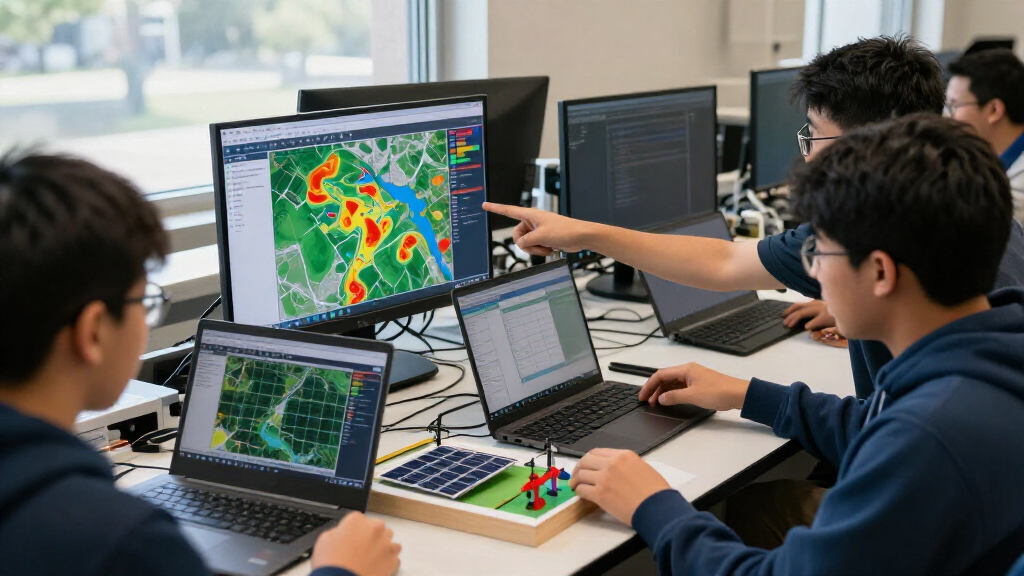
Google says student teams from Colorado took part in its second annual Colorado Impact Hackathon at its Boulder offices, held with CU Boulder and the Colorado Energy Office. The winning projects proposed an AI solar-planning app, a battery network for wildfire-related shutoffs and predictive tools for grid hardening; the report does not describe deployment or measured results.
Colorado students presented technology concepts for the state’s electric grid at Google’s second annual Colorado Impact Hackathon, held at the company’s Boulder offices with the University of Colorado Boulder and the Colorado Energy Office. Google said the top projects focused on rooftop solar planning, battery storage during wildfire-related power shutoffs and predicting where grid upgrades may be needed.
Google’s October 29, 2026 report said participants were asked how to help create a clean, secure and resilient electric grid in Colorado. It identified three winning projects, but did not report how many students or teams took part, how long the event lasted or whether the prototypes would move beyond the hackathon.
SolarSnap took first place. Google described it as an AI app that uses a homeowner’s phone camera to help identify an ideal solar-panel setup. The report did not explain how the app evaluates a home, what data it uses or whether it was tested against existing solar assessments.
Grid Watch placed second with a proposed AI-managed battery network intended to keep electricity available during wildfire-related shutoffs while reducing costs. Grid Guard placed third, offering predictive capabilities for targeted grid hardening. Google did not provide technical specifications, performance figures, implementation partners or funding details for either concept.
Student Ideas Address Grid Pressures
The projects focus on challenges that affect both household energy choices and the reliability of electricity service. A tool to help residents assess rooftop solar could make planning easier, while storage could potentially provide another source of power during shutoffs. Predictive planning for grid hardening could help identify where infrastructure work may be useful.
Those are proposed benefits, not demonstrated outcomes. Google’s account describes the concepts and their intended uses, but gives no evidence that the projects have been deployed, independently evaluated or shown to lower bills or prevent outages. For Colorado residents, the distinction matters: a hackathon result marks an idea’s development, not a change to the grid or a service that is available to customers.
Popular right now
Dreame G10 Pro Wet and Dry Vacuum Mop

Dyson Car+Boat Cordless Handheld Vacuum

Dyson V8 Cyclone Cordless Vacuum
As an affiliate, we earn on qualifying purchases.
A Second Colorado Impact Hackathon
Google described the event as its second annual Colorado Impact Hackathon and said it was organized at its Boulder offices in partnership with CU Boulder and the Colorado Energy Office. The stated challenge connected student work with the state’s clean-energy and grid-resilience concerns.
Google also said Colorado Attorney General Phil Weiser and CU Boulder Vice Chancellor for Sustainability Andrew Mayock spoke about the role of innovation in Colorado’s clean-energy future. The company’s report framed the event as collaboration among students, public leaders and technologists; it did not provide additional remarks from the speakers or describe a government commitment to adopt the winning projects.
“How can we create a clean, secure, and resilient electric grid in Colorado?”
— Google’s event report
From Concepts to Grid Projects
It is not clear whether any winning team will continue developing its project, or whether Google, CU Boulder, the Colorado Energy Office or another organization will support further work. The report does not name team members, provide details about the judging process or say whether prototypes were built and tested during the event.
There are also no reported measurements for accuracy, cost, reliability or emissions effects. Google’s descriptions state what the projects are designed to do, but do not establish that SolarSnap can reliably recommend panel placement, that Grid Watch can maintain service during shutoffs, or that Grid Guard can identify the most effective locations for hardening.
Project Follow-Up Remains Unreported
Google’s report does not announce a next development milestone, deployment plan or follow-up schedule for the three projects. The next indication of progress would be confirmation from the teams or their partner organizations that a concept is being developed further, tested with utilities or homeowners, or considered for funding.
Until such information is available, the confirmed outcome is the hackathon’s ranking and the ideas presented—not a change in Colorado grid operations. Any future claims about performance or adoption would need details on testing, partners and results to show how the concepts work outside the event.
Key Questions
What was the Colorado Impact Hackathon?
Google described it as its second annual Colorado Impact Hackathon, held at its Boulder offices with CU Boulder and the Colorado Energy Office. Students worked on ideas for a clean, secure and resilient electric grid.
Which project won first place?
SolarSnap placed first. Google described it as an AI app that uses a phone camera to help homeowners find an ideal solar-panel setup. The report did not provide test results or say the app is available to the public.
What did the other winning teams propose?
Grid Watch proposed an AI-managed battery network intended to help maintain power during wildfire-related shutoffs and reduce electricity costs. Grid Guard proposed predictive capabilities for targeted grid hardening.
Are the projects being used on Colorado’s electric grid?
Google’s report does not say that any project has been deployed. It provides no implementation, testing or funding details, so the ideas should be understood as hackathon concepts rather than established grid services.
Source: blog.google