
TL;DR

Prime made for students and young adults
- Fast, free delivery for dorm and study essentials
- Prime Video and Amazon Music included
- Member-only deals
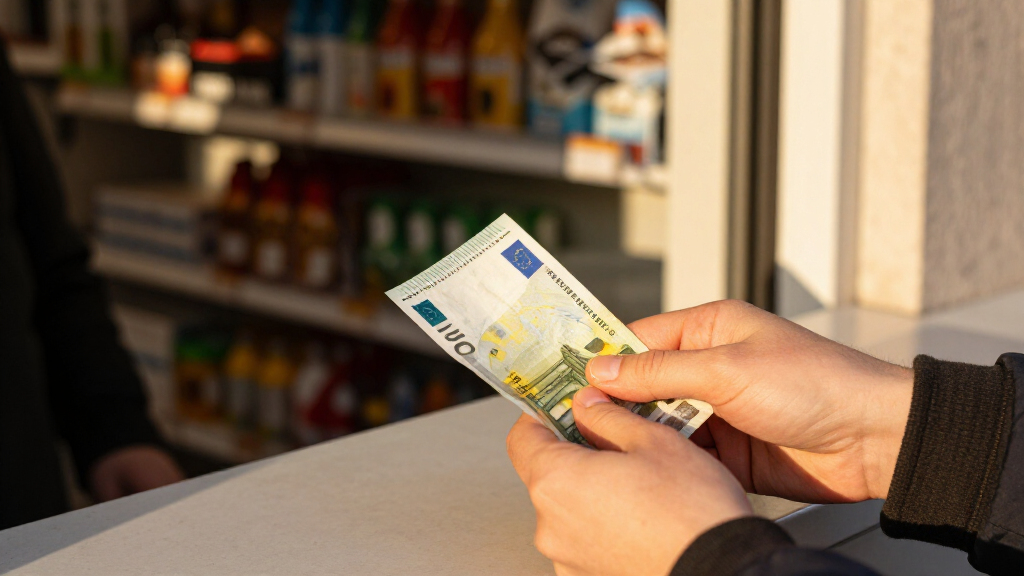
Cash continues to be the primary payment method in the euro area, despite the rise of digital alternatives. The European Central Bank confirms cash’s dominant role, though digital payments are growing.
The European Central Bank (ECB) has confirmed that cash remains the most widely accepted payment method across the euro area, despite increasing adoption of digital payments. This development underscores the continued importance of cash for consumers and businesses, even amid ongoing digital transformation efforts.
The ECB’s latest report indicates that, as of early 2024, cash payments account for the largest share of transactions in the euro area. While digital payment methods such as card payments, mobile banking, and e-wallets are experiencing growth, they have not yet surpassed cash in overall acceptance. The ECB attributes this to factors like consumer preferences, the importance of cash for small transactions, and the need for accessible payment options across all regions.
According to the ECB, cash remains essential for certain demographics and regions within the euro area, especially in rural or less digitally connected areas. The report also notes that cash usage is resilient despite efforts to promote digital and contactless payments, which have gained popularity during the COVID-19 pandemic.
Why Cash’s Dominance Matters for the Euro Area
This confirmation highlights that, despite technological advances, cash remains vital for financial inclusion and everyday transactions in the euro area. For policymakers, it signals the need to maintain accessible cash infrastructure and consider the implications for digital transition strategies. For consumers, it reassures that cash is still a reliable and accepted payment form, especially in regions with limited digital access.
As an affiliate, we earn on qualifying purchases.
Historical Trends in Payment Methods in the Eurozone
Over the past decade, digital payments have steadily increased across the euro area, driven by innovations in mobile banking, contactless technology, and e-wallets. However, cash has historically been the dominant method, especially for small-value transactions and in certain regions. The ECB’s recent data confirms that, despite this shift, cash still accounts for the majority of transactions in terms of acceptance and usage.
Recent initiatives by the ECB to promote digital euro adoption have not yet displaced cash as the primary payment method, though digital payments continue to grow rapidly. The pandemic accelerated some of this growth, but cash remains resilient, according to the ECB’s latest findings.
“Cash remains the most widely accepted payment method in the euro area, reflecting its ongoing importance for consumers and businesses.”
— ECB spokesperson
As an affiliate, we earn on qualifying purchases.
What Aspects of Payment Trends Are Still Unclear
It is not yet clear how the rapid growth of digital payments will impact cash’s dominance in the coming years. The ECB’s data reflects current acceptance but does not predict future shifts, especially as digital infrastructure expands and consumer preferences evolve. Additionally, regional disparities within the euro area regarding cash and digital payment usage remain to be fully understood.
As an affiliate, we earn on qualifying purchases.
Future Developments in Payment Method Adoption
The ECB is expected to continue monitoring payment trends and may release updated data on the evolving landscape. Efforts to promote the digital euro are ongoing, with potential impacts on cash usage. Policymakers will likely focus on ensuring financial inclusion and maintaining accessible cash infrastructure while supporting digital innovation.
As an affiliate, we earn on qualifying purchases.
Key Questions
Will cash eventually be replaced by digital payments in the euro area?
It is uncertain. While digital payments are growing rapidly, cash remains the most accepted method for now. Future shifts depend on technological, regulatory, and consumer preference developments.
Why does cash still matter despite the rise of digital payments?
Cash provides accessibility, privacy, and reliability, especially for those in regions with limited digital infrastructure or for small transactions.
What role will the digital euro play in the future of payments?
The ECB is exploring the digital euro as a complement to cash, aiming to enhance digital payment options without displacing cash’s current dominance.
Are there regional differences within the euro area regarding cash use?
Yes, some rural or less digitally connected regions rely more heavily on cash, but overall, the ECB reports that cash remains widely accepted across the euro area.
Source: primary
Fall Picks
fall essentials
As an affiliate, we earn on qualifying purchases.