
TL;DR

Prime made for students and young adults
- Fast, free delivery for dorm and study essentials
- Prime Video and Amazon Music included
- Member-only deals
Researchers have reported living pygmy long-fingered possums and ring-tailed gliders in remote West Papua, after the species were thought to have disappeared thousands of years ago. The findings, published in the Records of the Australian Museum, relied on fossils, photographs, specimens and knowledge from local Indigenous communities; the glider’s forest habitat faces logging pressure.
Researchers have reported finding living pygmy long-fingered possums and ring-tailed gliders in remote forests of West Papua, two marsupials believed to have disappeared thousands of years ago. The findings, published in the Records of the Australian Museum, bring renewed attention to the region’s wildlife and to logging pressure on the glider’s forest habitat.
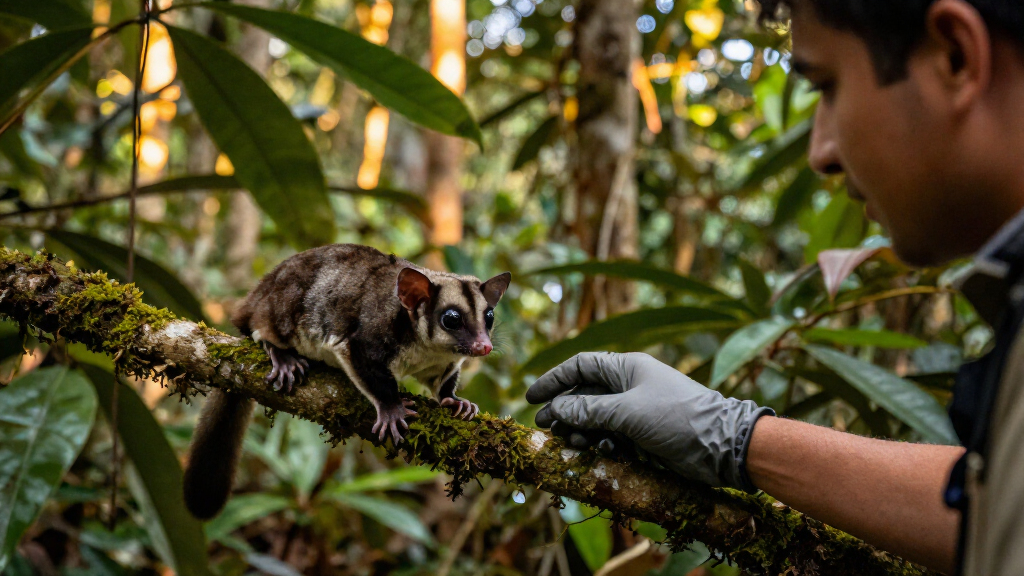
The possum is a small, striped marsupial weighing about 200 grams. Its distinctive feature is a fourth finger on each hand that is roughly twice as long as its other digits. Researchers say the elongated fingers help it extract wood-boring insect larvae, its main food source. The species was understood to have vanished from Australia during the Ice Age.
The second animal, the ring-tailed glider, has a grasping tail and lives in hollows in tall trees, according to the report. Researchers compared it with Australia’s greater glider. The species’ reported presence in West Papua places conservation attention on the forests it depends on, where logging is a growing concern.
The identification drew on multiple kinds of evidence rather than a single sighting: scientists examined decades-old fossils, photographs and museum specimens, then visited remote parts of New Guinea. The work was conducted with researchers from the University of Papua and involved discussions with elders from the Tambrauw and Maybrat clans. The source report says local knowledge was necessary to identify the animals.
Rediscovery Raises Forest Protection Stakes
Finding living members of species believed lost for thousands of years is scientifically significant because it changes what researchers know about their survival and distribution. In this case, the report describes two species found in the same broad region, rather than one isolated rediscovery. The findings also show how fossils and historical records can guide fieldwork, while local expertise can help researchers interpret evidence that might otherwise be overlooked.
The consequences extend beyond taxonomy. The ring-tailed glider relies on hollows in tall trees, making intact forest important to its habitat. Professor Tim Flannery said logging was increasingly threatening the glider’s habitat. Scientists and wildlife groups are seeking ways to secure native title for forests so logging cannot proceed without local consent, according to the report. The article does not describe a completed agreement or a formal protection outcome.
For local communities, the research also raises questions about how conservation decisions are made and whose knowledge is credited. The findings were developed with elders and Indigenous researchers, including Maybrat co-author Rika Korain. Their involvement is presented as central to identifying the animals, not as an optional supplement to field science.
As an affiliate, we earn on qualifying purchases.
How Researchers Traced the Marsupials
The animals were treated as lost based on the evidence available to scientists before the reported rediscovery. The source describes the possum as thought to have been extinct for about 6,000 years; it also says both species were believed to have disappeared thousands of years ago. That figure is a description of the prior belief, not a direct measurement of when the last individuals died.
To investigate, researchers connected clues from older fossils with rare photographs and existing specimens, then travelled to remote locations in New Guinea. Flannery, co-author Kris Helgen and researchers from the University of Papua consulted elders from the Tambrauw and Maybrat clans. The reported work was published in the Australian Museum journal on Friday, March 6, 2026.
The term “Lazarus taxon” is used for a group that reappears in the record after being considered absent. It describes the scientific pattern of rediscovery; it does not mean the animals were literally brought back or that every detail of their population status is now known.
“Their help was necessary for identification of the species.”
— Rika Korain, a Maybrat researcher and paper co-author, as quoted in the BBC report
As an affiliate, we earn on qualifying purchases.
Population Size and Protection Remain Unclear
The report does not give a population estimate, the precise number of animals observed, or a detailed account of where each species was found. It also does not establish how widespread the animals are across West Papua or whether they persist beyond the locations visited. The description of the species as thought extinct for around 6,000 years reflects the earlier scientific understanding, rather than a confirmed date of extinction.
Further details about the animals’ ecology, current conservation status and threats are not set out in the supplied report. Logging is identified as a concern for the glider’s habitat, but the article does not quantify its extent or specify how much forest is affected. The proposed native-title effort is described as an ongoing initiative; its legal status, timetable and outcome are not reported.
tree hollow camera for wildlife observation
As an affiliate, we earn on qualifying purchases.
As an affiliate, we earn on qualifying purchases.
Field Research and Forest Rights Efforts
The published findings provide a basis for further research into the animals’ distribution, numbers and habitat needs. The supplied report does not announce a specific follow-up survey date or a monitoring plan, so it is unclear when additional field results may be available.
Scientists and wildlife groups are also seeking to secure native title for forest areas, according to Flannery, with the aim of requiring local consent before logging can take place. The next developments to watch are whether that effort advances into a formal protection arrangement and whether researchers publish more information on the species’ populations and range.
indigenous knowledge conservation books
As an affiliate, we earn on qualifying purchases.
As an affiliate, we earn on qualifying purchases.
Key Questions
Which two species were reported in West Papua?
The report identifies the pygmy long-fingered possum and the ring-tailed glider, both found in remote forest areas of West Papua.
Why is the possum called long-fingered?
Its fourth finger on each hand is about twice as long as its other digits. Researchers say it uses the elongated fingers to dig wood-boring insect larvae from wood.
How did researchers identify the animals?
They combined evidence from old fossils, rare photographs and existing specimens with visits to remote locations and knowledge shared by elders from the Tambrauw and Maybrat clans.
Are the species confirmed to be extinct for exactly 6,000 years?
No. The report says the species were thought to have disappeared thousands of years ago and describes the possum as believed extinct for about 6,000 years. It does not provide a precise, confirmed extinction date.
What conservation action is being considered?
Flannery said scientists and wildlife groups are trying to secure native title for the forests so logging cannot occur without local consent. The report does not say that a protection agreement has been completed.
Source: hn
Halloween Picks
halloween
As an affiliate, we earn on qualifying purchases.