

TL;DR
A well-crafted 30-day study plan balances goals, schedule, and self-care. It helps you stay focused, avoid burnout, and make steady progress with proven techniques and flexibility.
Ever felt exhausted just a week into your study marathon? Building a 30-day plan that keeps you on track without draining your energy is an art. It’s about more than just cramming; it’s about working smarter, not harder.
In this guide, you’ll discover how to set realistic goals, carve out time efficiently, and stay motivated—all while protecting your mental health. Ready to turn your study slog into a sustainable, even enjoyable, routine?
How to Build a 30-Day Study Plan Without Burning Out
A sustainable month of study balances clear weekly goals, focused work blocks, flexible buffers, and recovery. The aim is not to cram harder; it is to make steady progress while keeping your energy, memory, and motivation intact.
Steady progress beats burnout every time.
Use the plan as a guide, not a cage: prioritize high-impact work, check progress weekly, and protect sleep like it is part of the syllabus.
Start with goals your brain can actually carry.
Replace vague intentions with measurable weekly targets. A clear plan reduces overwhelm because every study session has a defined finish line.
Make each target specific
Swap “study biology” for “master chapters 5 and 6 by week two.” Concrete goals make progress visible.
Break the syllabus down
Use daily chunks: review notes, answer 10 questions, summarize key ideas, then move on without perfectionism.
Schedule around your peaks
Put demanding topics in your sharpest hours and reserve lower-energy windows for videos, flashcards, or light review.
Build the month as a sequence, not a sprint.
The strongest plans connect priorities, practice, recovery, and adjustment. Each week should make the next one easier.
Map
List every topic and rank by difficulty, deadline, and exam weight.
Prioritize
Use urgent-important sorting to cover high-impact material first.
Block
Study in 25-50 minute sessions with short breaks between rounds.
Recover
Protect sleep, meals, hydration, movement, and mental reset time.
Adjust
Review weekly, celebrate small wins, and reschedule without guilt.
Use time blocks that protect concentration.
Short, deliberate sessions usually beat marathon study days. The goal is high-quality recall, not hours that look impressive on paper.
What deserves the most planning attention?
Give the highest share of effort to priority material, active recall, and recovery buffers.
Focus intensity scale
The practical sweet spot sits between under-planning and overload: focused enough to matter, flexible enough to last.
Choose techniques that create recall, not just familiarity.
Passive review feels comfortable, but active methods help you remember more while reducing last-minute panic.
| Technique | Burnout control | Retention impact | Best use | Risk |
|---|---|---|---|---|
| Self-testing | ✓ Strong | ✓ High | After each chapter or topic block | ~ Needs honesty |
| Teaching aloud | ✓ Strong | ✓ High | Testing whether you truly understand a concept | ~ Can feel awkward |
| Spaced flashcards | ✓ Strong | ✓ High | Vocabulary, formulas, definitions, facts | ~ Requires consistency |
| Highlighting notes | ~ Moderate | ✗ Low alone | First pass through unfamiliar material | ✗ False confidence |
Make flexibility part of the system.
Falling behind is not failure. A good plan expects life to interrupt and gives you a calm way to recover.
Weekly adjustment script
What did I finish, and what took longer than expected?
Shift unfinished work into a buffer day before adding new tasks.
Drop low-impact review when energy or time gets tight.
Name one concrete improvement to reinforce momentum.
Non-negotiables for a healthy month
- Sleep 7-8 hours so memory consolidation has time to work.
- Take 5-10 minute breaks after focused study blocks.
- Use movement, hydration, and meals as part of the plan.
- Keep at least one buffer window for hard topics or missed sessions.
- Track progress weekly without turning tracking into pressure.
Connect every study action to recovery and progress.
The plan works when every part supports the next: goals guide priorities, priorities guide blocks, blocks protect focus, and recovery keeps the loop alive.
Common questions before you begin.
Use these as guardrails when the month gets busy, messy, or harder than expected.
What if I fall behind?
Use a buffer day, move the missed task forward, and cut low-priority review before sacrificing sleep.
How much should I study daily?
Aim for one to two focused blocks per subject, then rotate topics to keep attention fresh.
How do I stay motivated?
Track small wins weekly: completed sections, better practice scores, or fewer weak spots.
Which tools help most?
Use a calendar for blocks, a task list for priorities, and spaced repetition software for recall.
Key Takeaways
- Break goals into specific, measurable chunks to keep motivation high.
- Study in focused blocks of 25-50 minutes with short breaks to boost concentration.
- Prioritize high-impact topics early to avoid last-minute panic.
- Build flexibility into your plan to adapt without stress or guilt.
- Balance study with sleep, nutrition, and movement to sustain energy and focus.

Kokuyo Campus Study Planner Notebook, Daily Ruled, A5, Light Pink, for 63 Days, Japan Import (NO-Y82MD-LP)
- Daily Study Schedule: Plans for 63 days of study
- High-Quality Base Paper: Acid-free, bleed-resistant for smooth writing
- Wireless Binding: Lay-flat design for easy writing and durability
As an affiliate, we earn on qualifying purchases.
As an affiliate, we earn on qualifying purchases.
Set Clear, Achievable Goals That Keep You Moving Forward
Start with a crystal-clear target for each week. Instead of “study biology,” aim for “master chapter 5 and 6 by week 2.” Concrete goals prevent overwhelm and give you a sense of progress. Imagine finishing a chapter and feeling that satisfying click—it’s motivating.
Break big goals into bite-sized tasks. For example, week one: review notes, do 10 practice questions daily, and summarize key concepts. This keeps your focus sharp and your motivation high.
According to Examprepacademy, specific, measurable goals are linked to better retention and less burnout.

Order Out Of Chaos Academic Planner 2026-2027 Student Planner 8.5 x11 Navy
- Academic Year: 2026-2027 school year planner
- Organization Features: Daily, weekly, monthly, yearly pages
- Homework Tracking: Dedicated space for homework and tests
As an affiliate, we earn on qualifying purchases.
As an affiliate, we earn on qualifying purchases.
Create a Realistic, Flexible Schedule That Fits Your Life
Design your study timetable around your natural energy peaks. Are you a morning person? Block those hours for heavy topics. If afternoons are sluggish, reserve that time for lighter review or videos.
Plan study blocks of 25-50 minutes, with 5-10 minute breaks. Use tools like the Pomodoro Technique to recharge. For instance, study math for 30 minutes, then take a short walk, breathe in fresh air. This refreshes your focus.
Leave buffer days for unexpected events or tough topics. Flexibility isn’t weakness—it’s a shield against stress and burnout.
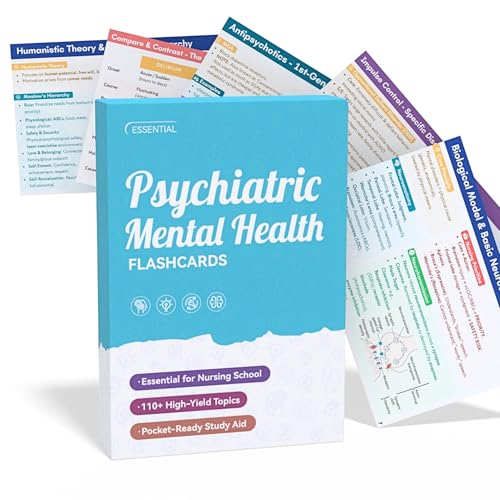
Psychiatric Mental Health Nursing Flashcards for NCLEX & PMHNP Review – Comprehensive Pocket Study Guide with Psychopharmacology, DSM-5-TR & Clinical Judgment for Students & New RNs
- Comprehensive Psych Pharmacology: Covers 109 high-yield topics with MOA, warnings, side effects
- Real-World Clinical Practice: Includes generic and brand names for seamless transition
- Develops Clinical Judgment: Focuses on nursing priorities, safety, and interventions
As an affiliate, we earn on qualifying purchases.
As an affiliate, we earn on qualifying purchases.
Prioritize Tasks Using the Urgent-Important Matrix
Tackle the most critical topics first. Use the Eisenhower Matrix to distinguish between urgent and important tasks. For example, if you have a quiz next week, prioritize those topics now, rather than last-minute cramming.
Keep a simple list: high-priority tasks, medium, and low. Focus on completing the top tier first. This prevents wasting precious time on less critical material and keeps your energy directed toward what truly matters.
Research shows that prioritization reduces overwhelm and helps sustain motivation over long stretches.

Wheatwin Note to Self Mental Health Journal, Inspirational Spiral Notebook, Motivational Positivity Journal, Inspirational Journal for Women, Positive Affirmations Quote Hardcover Notebooks 5.5×8.3
- Ideal Size for Writing: 5.5 x 8.3 inches with 80 pages
- Stylish & Durable Design: Feminine bow pattern with double coil binding
- Protective Hardcover: Sturdy cover for travel and daily use
As an affiliate, we earn on qualifying purchases.
As an affiliate, we earn on qualifying purchases.
Build Flexibility Into Your Plan to Prevent Burnout
Life throws curveballs. Your plan should have wiggle room. Schedule some ‘buffer days’ or lighter weeks. For example, if you miss a session, don’t panic—reschedule it without guilt.
Adjust your goals as you go. If a topic takes longer, extend that segment. Flexibility keeps your stress levels in check and your commitment intact.
Having built-in flexibility means you can adapt to unforeseen circumstances, which are inevitable. This prevents feelings of failure and frustration that often lead to burnout. Recognizing that plans are guides, not rigid rules, allows you to maintain momentum without sacrificing your well-being.
Prioritize Rest and Self-Care to Keep Your Brain Happy
Sleep, nutrition, and movement aren’t just luxuries—they’re essentials. Schedule regular breaks in study sessions: every 25-50 minutes, step away and stretch. This prevents fatigue and sharpens focus.
Sleep at least 7-8 hours. Skimping on rest hampers memory and makes you more prone to burnout. Eat balanced meals, hydrate, and take time for mental health activities like meditation or a quick walk in nature.
Think of your brain as a muscle—overwork it, and it tires out. Give it time to recover, and it’ll perform better.
Use Active Study Techniques to Maximize Efficiency
Passive review is like watching a movie—you remember a little, but forget most. Instead, try active learning: quiz yourself, teach concepts aloud, or write summaries. For example, after reading a chapter, close the book and explain the main ideas to yourself.
Use tools like flashcards or apps like Anki to space out repetition. This boosts long-term retention and reduces the need for last-minute cramming.
According to research, active techniques cut your study time while improving recall—a win-win for busy schedules.
Regularly Check Your Progress and Adjust as Needed
Every week, review what you’ve accomplished. Did you hit your goals? If not, why? Maybe a topic took longer than expected or your energy dipped. Adjust your schedule without guilt.
Celebrating small wins—like finishing a section or scoring well on practice questions—can be more than just a morale boost; it reinforces positive habits and helps you recognize your progress. When you see tangible results, it fuels your motivation and commitment. Tracking progress isn’t about pressure; it’s about gaining clarity on your journey. Knowing where you stand allows you to make smarter, more informed decisions about your upcoming study sessions, ensuring continuous improvement and sustained momentum.
Frequently Asked Questions
How can I avoid burnout while studying intensively for 30 days?
Focus on regular breaks, prioritize sleep and nutrition, and build flexibility into your schedule. Active learning techniques and small wins also keep motivation high without draining your energy.What is the best way to break down a large syllabus into manageable chunks?
Divide your syllabus into weekly and daily tasks based on importance and difficulty. Use tools like the Eisenhower Matrix to focus on urgent and important topics first.How much time should I dedicate to each subject or topic daily?
Aim for 1-2 focused study blocks of 25-50 minutes per subject, depending on difficulty. Rotate topics to keep your mind fresh and prevent fatigue.What are some effective study techniques to maximize limited time?
Use active learning methods like self-testing, teaching others, and spaced repetition with flashcards. These techniques boost retention while saving study time.How do I stay motivated and avoid losing focus over a month-long plan?
Set small, achievable goals weekly. Celebrate progress, track your wins, and remind yourself of your end goal to stay motivated.Conclusion
Building a 30-day study plan isn’t about pushing to the brink—it’s about working smarter and listening to your body. By setting clear goals, staying flexible, and prioritizing self-care, you turn a daunting month into a manageable journey.
Remember: steady progress beats burnout every time. Visualize yourself crossing that finish line, not exhausted but energized and confident.