
TL;DR

Prime made for students and young adults
- Fast, free delivery for dorm and study essentials
- Prime Video and Amazon Music included
- Member-only deals
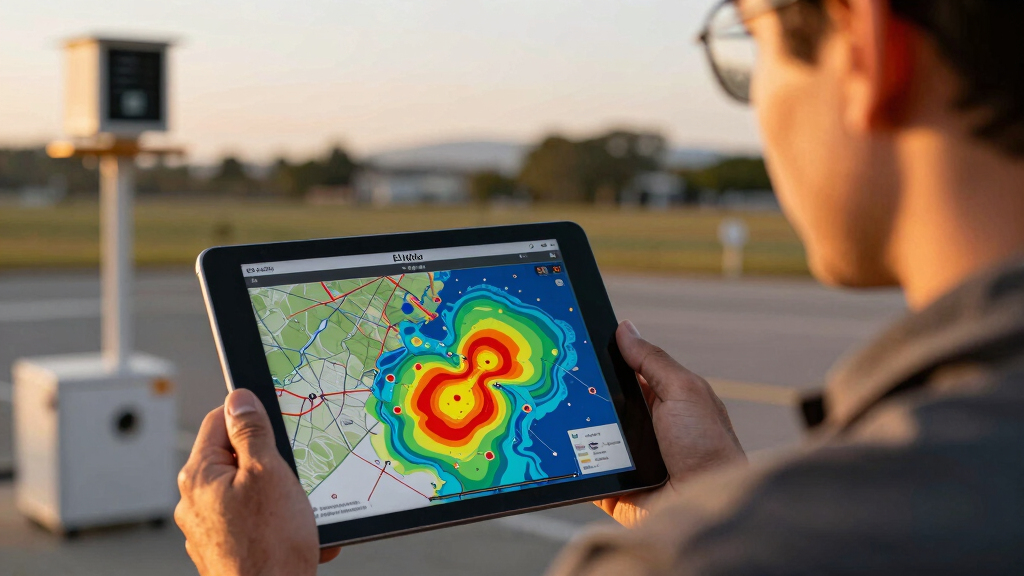
Meteorologists forecast a significant El Niño event for the upcoming months, which could influence weather worldwide. The forecast is based on current oceanic and atmospheric conditions, but official severity and timing remain uncertain.
Climate scientists are forecasting a likely emergence of a strong El Niño event later this year, which could significantly influence global weather patterns. This prediction is based on recent oceanic and atmospheric observations, and officials warn it could lead to increased droughts, heavy rains, and other extreme weather events worldwide.
According to the National Oceanic and Atmospheric Administration (NOAA), the current ocean conditions in the equatorial Pacific Ocean indicate a high probability of El Niño development by late 2023 or early 2024. The forecast suggests a 70-80% chance of a strong El Niño forming, based on sea surface temperature anomalies and atmospheric patterns.
Scientists note that the El Niño phenomenon is characterized by warmer-than-average sea surface temperatures in the central and eastern Pacific, which can disrupt normal weather systems across continents. The forecast is based on models that analyze current oceanic heat content, wind patterns, and atmospheric pressure systems.
While the forecast is confident about the likelihood of El Niño forming, the severity and specific impacts are still uncertain, with some models predicting a moderate event and others a more intense one. Officials emphasize that monitoring will continue as the season progresses.
Impacts of a Potential Strong El Niño on Global Climate
The forecast of a strong El Niño is significant because it can cause widespread climate disruptions, including increased droughts in some regions and heavy rainfall and flooding in others. These changes impact agriculture, water resources, and disaster preparedness efforts worldwide.
Historically, El Niño events have been linked to severe weather phenomena such as hurricanes, wildfires, and heatwaves. Governments and agencies are closely watching the forecast to prepare for possible emergency responses and to inform sectors most vulnerable to climate variability.
As an affiliate, we earn on qualifying purchases.
Recent Oceanic Conditions and Historical El Niño Patterns
El Niño is a climate pattern that occurs irregularly every 2 to 7 years, driven by changes in ocean temperatures and atmospheric circulation in the Pacific. Recent data shows that sea surface temperatures in the central and eastern Pacific have been rising steadily over the past few months, aligning with typical precursors to El Niño development.
Previous strong El Niño events, such as those in 2015-2016, caused significant weather anomalies globally, including severe droughts in Africa and Australia, and increased hurricane activity in the Pacific. Climate models now indicate a similar pattern might be emerging this year, though exact impacts remain uncertain.
Experts note that the timing and strength of El Niño can vary, and ongoing monitoring is essential to refine forecasts and prepare for potential impacts.
“Current oceanic and atmospheric indicators strongly suggest that we are on the cusp of a significant El Niño event later this year, which could have wide-reaching effects.”
— Dr. Emily Carter, NOAA Climate Scientist
As an affiliate, we earn on qualifying purchases.
Remaining Uncertainties About El Niño Severity and Timing
While forecasts indicate a high probability of El Niño development, the precise timing, intensity, and regional impacts are still uncertain. Variations in oceanic heat content and atmospheric responses could lead to different scenarios, and models are still being refined to improve accuracy.
Scientists caution that unexpected shifts in ocean temperatures or atmospheric patterns could alter the forecast, making it difficult to predict exact effects at this stage.
As an affiliate, we earn on qualifying purchases.
Monitoring and Updates as the Season Progresses
Meteorological agencies will continue to monitor ocean and atmospheric conditions closely over the coming months. Updates on the El Niño forecast are expected in the next monthly climate outlooks, with potential adjustments to severity and timing predictions.
Authorities and sectors such as agriculture, disaster management, and water resource planning are advised to prepare for possible impacts based on evolving forecasts.
As an affiliate, we earn on qualifying purchases.
Key Questions
What is El Niño and why does it matter?
El Niño is a climate pattern characterized by warmer sea surface temperatures in the Pacific Ocean, which can disrupt global weather, causing droughts, heavy rains, and extreme weather events. It matters because it impacts agriculture, water supplies, and disaster preparedness worldwide.
When is El Niño expected to develop this year?
Current forecasts suggest El Niño could develop later in 2023, potentially by late fall or early winter, but exact timing remains uncertain and depends on ongoing oceanic conditions.
How severe could this El Niño be?
While models indicate a high likelihood of a strong El Niño, the exact severity and regional impacts are still uncertain, with some forecasts predicting a moderate event and others a more intense one.
What regions are most at risk from this El Niño?
Regions most vulnerable include parts of North and South America, Africa, and Asia, where droughts, floods, and storms could become more frequent or intense, depending on the event’s strength.
Source: google-trends
Fall Picks
fall essentials
As an affiliate, we earn on qualifying purchases.