
TL;DR

Prime made for students and young adults
- Fast, free delivery for dorm and study essentials
- Prime Video and Amazon Music included
- Member-only deals
Google has announced a long-term agreement through the Symbiosis Coalition with Working Trees for a Brazil project intended to remove 270,000 tons of carbon dioxide. The project plants trees on active cattle pasture in the Amazon and Cerrado, but the announcement does not specify the timeline, project area or how removal will be independently verified.
Google says it has signed a long-term agreement with Working Trees through the Symbiosis Coalition to support a Brazil project intended to remove 270,000 tons of carbon dioxide. The project plants trees on active cattle pasture in the Amazon and Cerrado biomes, combining a carbon-removal effort with a farming practice that aims to restore ranchland without moving cattle off it.
Working Trees plants trees directly on active pastureland using silvopasture, a system that combines trees and livestock on the same land. Google says the approach is designed to let ranchers continue raising cattle while adding trees, rather than converting the pasture into a separate land use. The announcement does not state how many ranches or hectares are covered by this agreement.
Google says the project is expected to remove 270,000 tons of CO₂ over the agreement’s term, but gives no schedule for those removals or details on how the total was calculated. According to the company, ranchers may earn additional income from timber and carbon revenues. Trees are also expected to provide shade for cattle and support soil health and drought resilience; these are described as intended benefits, not reported measured outcomes from the project.
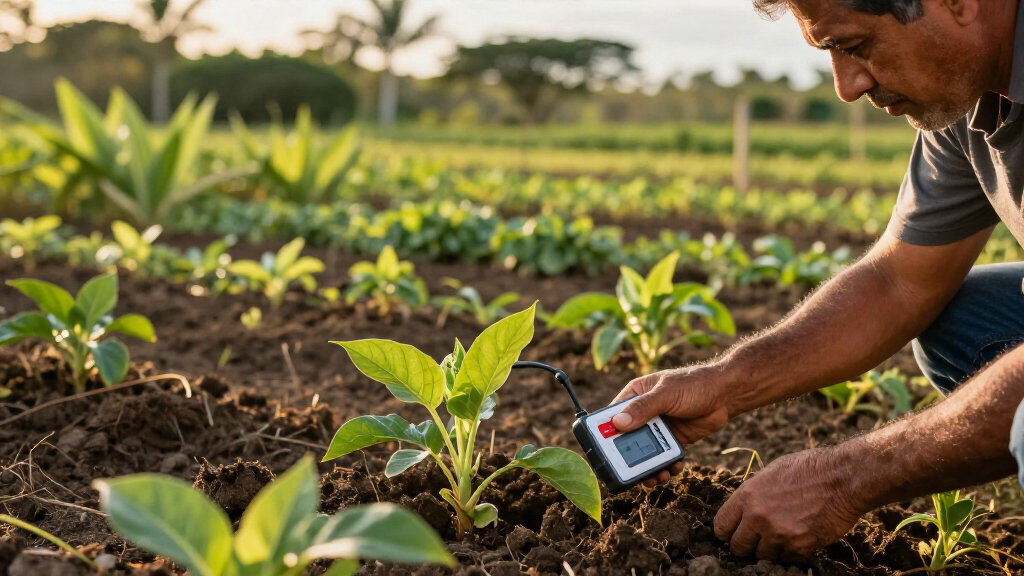
The announcement says Working Trees uses a digital tracking platform that allows ranchers to track each planted tree and create a record for monitoring impact. Google presents that system as a way to support transparent verification. The report does not describe the verification process, identify an independent auditor or provide monitoring results.
Keeping Trees on Working Ranchland
The arrangement links carbon removal with continued cattle production, a relevant model in a country where ranchland spans large areas of the Amazon and Cerrado. If the approach works as described, it could give ranchers a financial reason to retain trees while keeping pasture in use. That matters because restoration efforts can face economic barriers when landowners would otherwise lose revenue from existing activities.
For readers following corporate climate commitments, the announcement is also a reminder that a stated removal target is not the same as a verified result. The 270,000-ton figure is a project goal presented by Google. Its climate value will depend on how much carbon is actually removed, over what period, and whether that removal is measured and independently checked. The supplied announcement does not answer those questions.
Google says the model could expand across millions of hectares of Brazilian ranchland. That is a statement about potential scale, not evidence that the current agreement covers or has restored land on that scale.
As an affiliate, we earn on qualifying purchases.
How the Brazil Project Works
Silvopasture integrates trees with grazing livestock rather than separating forest and pasture into different land uses. In this project, according to Google’s report, trees are planted on existing cattle pasture across parts of the Amazon and Cerrado. The company says the practice is intended to retain cattle production while adding shade and supporting land health.
The agreement is being announced through the Symbiosis Coalition, with Google identifying Working Trees as the project partner. The source describes the deal as long-term but does not provide a signing date, duration, payment terms or breakdown of the funding and carbon-credit arrangements. It also does not say whether planting is already underway or when the first removals are expected.
Google’s account emphasizes tree-level digital tracking as a transparency measure. That may help document planting, but a record of trees planted alone does not establish how much carbon has been removed or whether trees survive and continue to store carbon. Those outcomes require monitoring over time, details that were not included in the report.
““Today, through the Symbiosis Coalition, we’re announcing a long-term agreement with Working Trees to remove 270,000 tons of carbon dioxide through their project in Brazil.””
— Google, in its announcement
As an affiliate, we earn on qualifying purchases.
Carbon Timeline and Verification Details
The public account leaves key details open. It does not give the agreement’s duration, planting schedule, project footprint, number of participating ranchers or the timeline for reaching the 270,000-ton target. It also does not explain whether the stated amount refers to gross removals or accounts for emissions and other project impacts.
Google says the digital platform provides a verification trail, but the announcement does not name an independent verifier or explain the methods used to measure carbon storage, tree survival or long-term permanence. No progress data or completed removal figures are provided. The expected benefits for soil, drought resilience, cattle shade and productivity are not accompanied by measurements in the source material.
It is also unclear how timber and carbon revenues will be distributed, what safeguards apply if trees are lost, and how the project will demonstrate that carbon removals are additional to what would otherwise have happened. These questions will affect how the climate claims and benefits to ranchers can be evaluated.
drought-resistant soil health products
As an affiliate, we earn on qualifying purchases.
As an affiliate, we earn on qualifying purchases.
Evidence Needed as Planting Advances
The next information readers need is a project timeline and a clear account of the land and ranchers included in the agreement. Google or Working Trees would also need to report planting progress, tree survival and measured carbon results to show how the 270,000-ton target is being pursued.
Further updates could clarify who verifies the results, how often monitoring takes place and whether the figures account for losses or other emissions. Reporting on rancher participation and the distribution of timber and carbon income would help establish whether the project delivers the livelihood benefits described by Google. No reporting date or next milestone was provided in the announcement.
As an affiliate, we earn on qualifying purchases.
Key Questions
What did Google announce?
Google says it has made a long-term agreement with Working Trees through the Symbiosis Coalition to support a Brazil project intended to remove 270,000 tons of CO₂.
What is silvopasture?
Silvopasture combines trees and livestock on the same land. In this project, Working Trees plants trees on active cattle pasture, according to Google’s report.
Where is the project located?
Google says the planting takes place on ranchland in Brazil’s Amazon and Cerrado biomes. The announcement does not specify the exact sites or total area.
Has the project removed 270,000 tons of carbon already?
No completed removal is reported. The 270,000-ton figure is a stated project target; Google did not provide a timeline or measured results in the announcement.
How will the carbon removals be verified?
Google says Working Trees uses a digital platform to track planted trees and monitor impact. The report does not name an independent verifier or explain the carbon measurement methods.
Source: rss
Halloween Picks
halloween
As an affiliate, we earn on qualifying purchases.