
TL;DR

Prime made for students and young adults
- Fast, free delivery for dorm and study essentials
- Prime Video and Amazon Music included
- Member-only deals
Scientists warn that decreasing oxygen levels in the world’s oceans threaten ecological balance and climate stability. The decline could have widespread impacts, but the full extent remains uncertain.
Researchers have warned that significant underwater oxygen loss is occurring worldwide, threatening the stability of Earth’s ecosystems and climate systems. This development, based on recent scientific studies, raises concerns about long-term environmental impacts and the resilience of marine life.
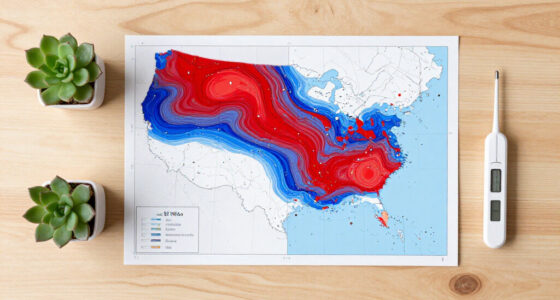
Multiple scientific teams have documented a decline in oxygen levels in ocean waters over the past decade, with some regions experiencing drops of up to 10%. The phenomenon, known as ocean deoxygenation, is linked to rising global temperatures, increased nutrient runoff, and changing ocean circulation patterns, according to the Intergovernmental Oceanographic Commission (IOC). Experts warn that if current trends continue, large areas of the ocean could become hypoxic or anoxic, severely impacting marine biodiversity.
While the decline is well-documented in specific regions such as the Mediterranean and parts of the Pacific, comprehensive global data is still being analyzed. Researchers emphasize that the loss of oxygen could disrupt food chains, threaten fisheries, and contribute to climate feedback loops by reducing the ocean’s capacity to sequester carbon. The findings are based on satellite data, autonomous underwater sensors, and climate models, which collectively suggest a worsening trend.
Impacts of Ocean Deoxygenation on Global Stability
The decline in underwater oxygen levels could have far-reaching consequences, including destabilizing marine ecosystems, reducing fish stocks, and exacerbating climate change. As oceans absorb about 90% of excess heat and a significant portion of CO2 emissions, their health directly influences Earth’s climate balance. The potential expansion of hypoxic zones could also trigger broader ecological shifts, impacting human livelihoods dependent on marine resources.
As an affiliate, we earn on qualifying purchases.
Recent Trends and Causes of Underwater Oxygen Decline
Ocean deoxygenation has been observed increasingly over the last 20 years, driven by climate change, which raises sea surface temperatures and accelerates stratification of water layers, preventing oxygen from mixing downward. Increased nutrient runoff from agriculture and urbanization fuels algal blooms, which consume oxygen when they decompose. Previous studies have identified expanding hypoxic zones in the Gulf of Mexico, Baltic Sea, and off the coast of California, but recent data suggest the issue is becoming more widespread and severe globally.
Scientists warn that if greenhouse gas emissions are not curbed, these trends could intensify, leading to more extensive hypoxic zones and long-term ecological shifts. The current research builds on earlier findings but emphasizes the urgency of understanding the full scope of ocean deoxygenation and its feedback effects on climate and biodiversity.
“The ongoing loss of oxygen in the oceans is a clear warning sign that our planet’s climate system is under severe stress.”
— Dr. Maria Lopez, Marine Ecologist
As an affiliate, we earn on qualifying purchases.
Uncertainties in the Extent and Future of Oxygen Loss
While current data confirms a decline in ocean oxygen levels, the precise future trajectory remains uncertain. Variability in regional ocean conditions, potential mitigation efforts, and climate feedback mechanisms complicate predictions. Scientists acknowledge that more comprehensive, long-term data is needed to fully understand the scope and speed of ongoing deoxygenation and its potential tipping points.
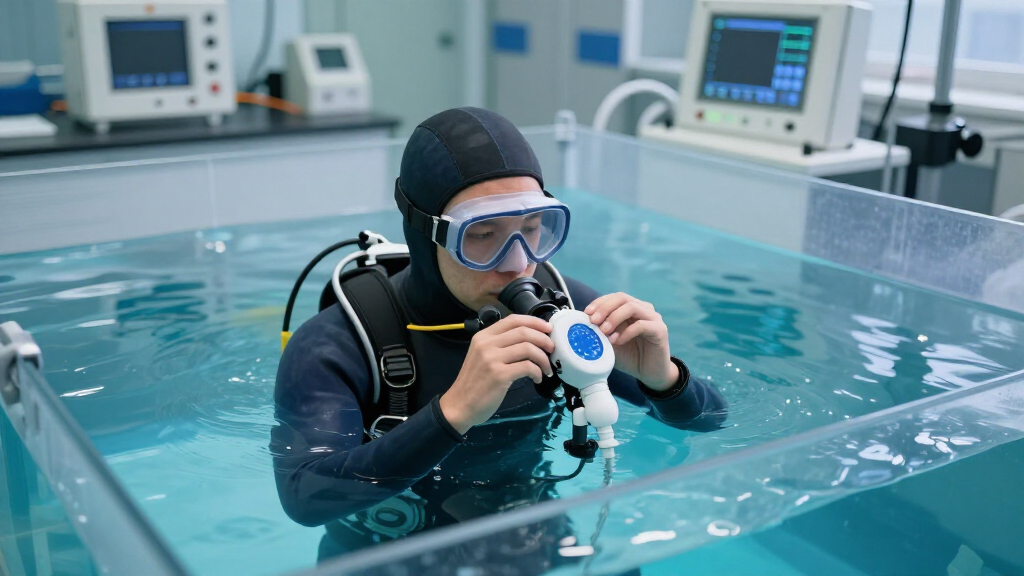
ocean deoxygenation monitoring equipment
As an affiliate, we earn on qualifying purchases.
As an affiliate, we earn on qualifying purchases.
Ongoing Monitoring and Policy Responses to Ocean Deoxygenation
Researchers plan to expand global monitoring networks and improve climate models to better project future oxygen levels. International organizations are calling for stronger policies to reduce greenhouse gas emissions and nutrient pollution. Scientific collaborations aim to develop early warning systems for hypoxic zones and explore potential mitigation strategies, including ocean fertilization and habitat restoration.
marine biodiversity research tools
As an affiliate, we earn on qualifying purchases.
As an affiliate, we earn on qualifying purchases.
Key Questions
How does ocean deoxygenation affect marine life?
Reduced oxygen levels can lead to hypoxic or anoxic conditions, which threaten marine species’ survival, disrupt food chains, and cause fish kills. Long-term deoxygenation can also alter species distributions and reduce biodiversity.
What are the main causes of underwater oxygen loss?
Primary causes include climate change-induced warming and stratification, increased nutrient runoff from agriculture and urban areas, and changes in ocean circulation patterns.
Can ocean oxygen levels recover?
Recovery is possible if greenhouse gas emissions are significantly reduced and nutrient pollution is controlled. However, some regions may experience persistent hypoxia if current trends continue.
What are the potential global impacts of widespread ocean deoxygenation?
Impacts include destabilization of marine ecosystems, decline in fish stocks, increased climate feedbacks, and economic losses in fisheries and tourism sectors.
Source: hn
Fall Picks
fall essentials
As an affiliate, we earn on qualifying purchases.