
TL;DR
Recent archaeological discoveries offer new understanding of the Late Bronze Age Collapse, a major societal upheaval around 1200 BCE. The findings confirm some aspects but leave many questions unresolved.
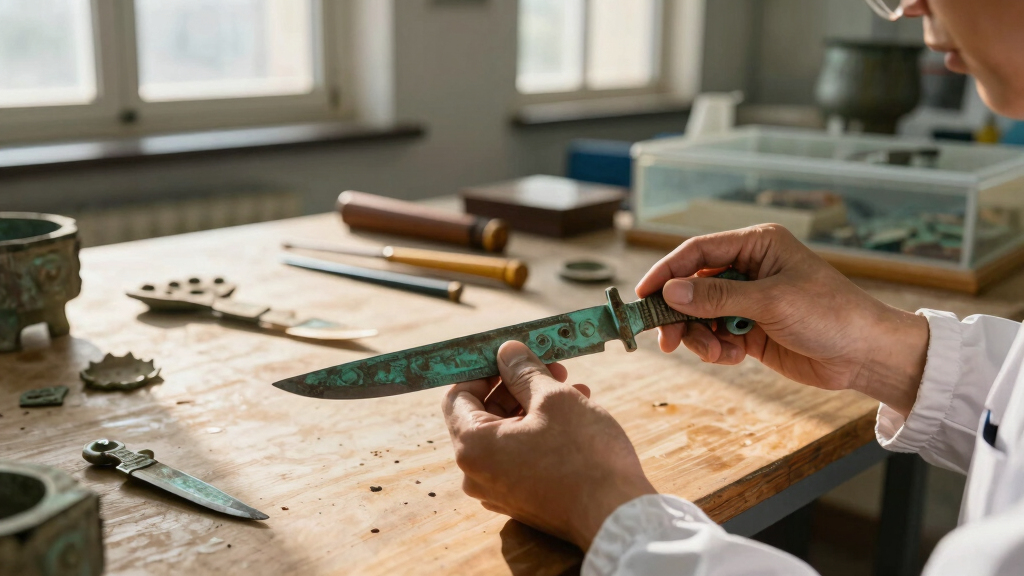
Recent archaeological excavations in the Eastern Mediterranean have uncovered new evidence shedding light on the Late Bronze Age Collapse, a period around 1200 BCE characterized by widespread societal decline. These findings confirm some long-held theories about the causes of the collapse but also raise new questions about the sequence of events and regional variations. The discoveries are significant for understanding the decline of major ancient civilizations and their interconnectedness.
Archaeologists working in regions including modern-day Turkey, Greece, and Egypt have uncovered evidence of widespread destruction, abandonment of cities, and disruptions in trade networks during the late 13th and early 12th centuries BCE. The findings include burned layers in ancient settlements, signs of abrupt abandonment, and artifacts indicating a collapse of political and economic systems. According to Dr. Elena Martinez, lead researcher at the Mediterranean Archaeological Institute, “These findings support the theory that a combination of natural disasters, invasions, and economic decline contributed to the collapse.”
While previous hypotheses suggested invasions by the Sea Peoples and climate change as primary causes, the new evidence suggests a complex interplay of factors. Recent pollen analysis indicates a period of drought, corroborating climate-related stress, while destruction layers point to violent invasions or internal conflict. However, it remains unclear whether these factors occurred simultaneously or sequentially, and regional differences are still being studied.
Implications of New Findings on Ancient Societal Decline
The new archaeological evidence enhances understanding of the Late Bronze Age Collapse, a pivotal event that led to the fall of major civilizations like the Hittites, Mycenaeans, and the Egyptian New Kingdom’s decline. This period set the stage for the subsequent Greek Dark Ages and the eventual rise of classical civilizations. Understanding the causes and processes of this collapse helps historians and archaeologists reconstruct ancient history and assess the resilience of complex societies facing crises.
Moreover, the findings highlight the interconnectedness of ancient civilizations and how multiple stressors can compound, leading to systemic failure. This has implications for studying modern societal vulnerabilities in the face of climate change, invasions, and economic upheaval, making the ancient collapse relevant beyond historical interest.

30 Pcs Dino Fossils Dig Kit Digging Hammer Chisel Brush Archaeological Excavation Tool Kit Science Kits for Girls Boys
9 PCS ARCHAEOLOGICAL EXCAVATION SET: Includes 9 toy tools, like hammer, chisel, brus. Help the kid dig the…
As an affiliate, we earn on qualifying purchases.
As an affiliate, we earn on qualifying purchases.
Recent Discoveries and Their Historical Significance
The Late Bronze Age Collapse, roughly dated from 1200 to 1150 BCE, has long been a subject of scholarly debate. It marked the end of the Mycenaean kingdoms, the Hittite empire, and destabilized Egypt’s New Kingdom. Prior theories emphasized invasions by the Sea Peoples, natural disasters such as earthquakes and droughts, and internal political strife. Recent excavations, including at the site of Hattusa in Turkey and Pylos in Greece, have uncovered destruction layers and abandoned settlements that support the idea of widespread disruption.
These discoveries build on earlier evidence and offer a more nuanced picture, suggesting that multiple factors—climatic, military, and economic—interacted to produce the collapse. The timeline of events remains under review, with ongoing excavations aiming to clarify regional variations and the sequence of societal failures.
“The evidence from recent digs provides a more detailed picture, but many questions about regional differences and timing are still unanswered.”
— Professor Mark Reynolds
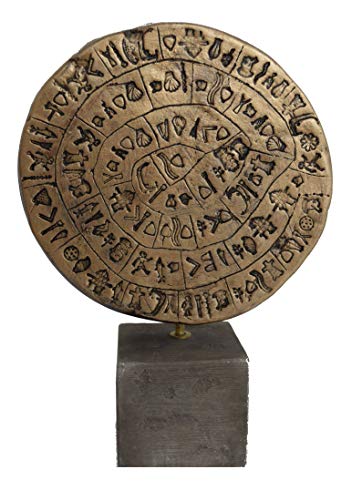
Talos Artifacts Phaistos disc Sculpture Statue – Museum Reproduction Palace of Knossos – Minoans
The Phaistos Disc is a disk of fired clay from the Minoan palace of Phaistos on the Greek…
As an affiliate, we earn on qualifying purchases.
As an affiliate, we earn on qualifying purchases.
Unresolved Questions About the Collapse Timeline
While the new evidence confirms widespread destruction and societal decline, it remains unclear whether natural disasters, invasions, or economic factors were primary drivers, or if they occurred simultaneously. The precise sequence of events and regional variations are still under investigation, with some sites showing signs of early decline while others suggest later disruptions. The extent to which climate change directly caused the collapse versus acting as a stressor is also debated among scholars.

The Funeral Kit
As an affiliate, we earn on qualifying purchases.
As an affiliate, we earn on qualifying purchases.
Future Excavations and Analytical Studies Planned
Archaeologists plan to continue excavations at key sites across the Eastern Mediterranean to refine the timeline and understand regional differences. Advanced techniques such as isotope analysis, pollen sampling, and radiocarbon dating are expected to provide more detailed data. Ongoing research aims to clarify the role of climate change and external invasions, with results expected over the next few years, potentially reshaping the understanding of this pivotal period.

Metal Earth Premium Series USS Constitution 3D Metal Model Kit Fascinations
HOBBY MODEL KIT – Unassembled model packed in an envelope with easy to follow instructions. Ideal for ages…
As an affiliate, we earn on qualifying purchases.
As an affiliate, we earn on qualifying purchases.
Key Questions
What caused the Late Bronze Age Collapse?
Current evidence suggests a combination of factors, including natural disasters, invasions by the Sea Peoples, climate change-induced droughts, and internal political instability. The exact interplay remains under study.
How do recent discoveries change previous theories?
The findings support the idea that multiple factors contributed to the collapse, emphasizing a complex, interconnected process rather than a single cause like invasion or climate change alone.
Why is this period considered so important in history?
It marked the end of major civilizations and the transition to a new historical era, influencing the development of subsequent societies in the Mediterranean and beyond.
Are there ongoing excavations related to this event?
Yes, archaeologists continue excavations at multiple sites across the region, using advanced techniques to better understand the timeline and causes of the collapse.
What lessons can modern societies learn from this event?
The collapse illustrates how multiple stressors can lead to systemic failure, highlighting the importance of resilience and adaptive strategies in facing environmental and societal challenges today.
Source: hn