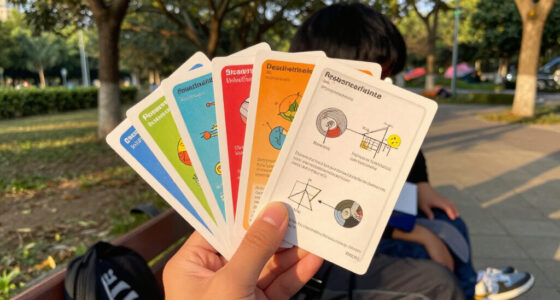
For families seeking educational board games for kids, ThinkFun Zingo! is my best overall pick because it gives preschoolers an accessible way to practice word and picture recognition. Number Hunter is a stronger choice for hands-on addition and subtraction, while Race Across the USA suits older kids ready to learn geography through questions and movement. The main tradeoff is choosing between games that teach a specific skill and simpler games that build turn-taking, counting, or strategy along the way. Age labels matter, but reading ability, attention span, and how much adult help a child needs matter just as much. Read on for the full comparison and a guide to matching a game with your child.

Prime made for students and young adults
- Fast, free delivery for dorm and study essentials
- Prime Video and Amazon Music included
- Member-only deals
Key Takeaways
Zingo! leads for early learning because its picture-and-word matching is accessible to preschoolers without requiring fluent reading.
Math games vary in how directly they teach. Number Hunter and Math Island focus on addition and subtraction, while Matheroni Pepperoni narrows the fit to younger elementary learners.
Geography picks suit different stages: Stamp It! World Tour offers a travel-oriented theme, while Race Across the USA is aimed at older children and more involved map learning.
Several familiar classics emphasize play skills such as counting, turn-taking, and basic strategy more than focused academic practice.
Reading readiness separates many options. Zingo! and Sequence for Kids reduce reading demands, while Scrabble Junior and Sentence Search call for more comfort with letters and words.
| Number Hunter Addition and Subtraction Math Board Game for Kids |  | Best for Early Math Practice | Brand: Clever Fox Play | Game type: Math board game | Players: 2 or more | VIEW LATEST PRICE | See Our Full Breakdown |
| Hasbro Gaming Clue Junior: Case of the Broken Toy Board Game |  | Best for Beginner Deduction | Brand: Hasbro Gaming | Age guidance: Most product details say 5 years and up; one section says 8 years and up | Players: 2–6 | VIEW LATEST PRICE | See Our Full Breakdown |
| ThinkFun Zingo! Bingo Preschool Reading Game for Ages 4 and Up |  | Best for Early Reading and Matching | Brand: ThinkFun | Model: 97700 | Recommended age: 4–10 years | VIEW LATEST PRICE | See Our Full Breakdown |
| Hasbro Gaming Hi Ho! Cherry-O Board Game for 2–4 Players, Ages 3+ | 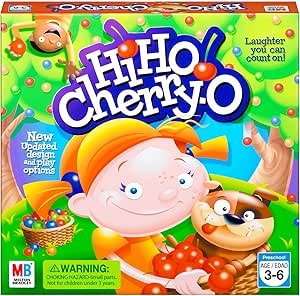 | Best for Preschool Counting | Brand: Hasbro Gaming | Players: 2–4 | Recommended age: 3 years and up | VIEW LATEST PRICE | See Our Full Breakdown |
| Hasbro Gaming Candy Land Board Game for Kids, Ages 3 and Up |  | Best First Board Game | Brand: Hasbro Gaming | Edition: Standard Edition | Players: 2–4 | VIEW LATEST PRICE | See Our Full Breakdown |
| Learning Resources Math Island Addition & Subtraction Game | 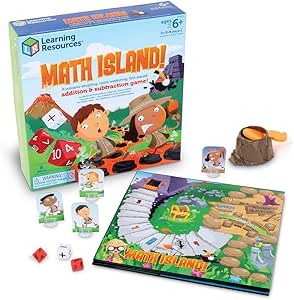 | Best for Hands-On Math Practice | Brand: Learning Resources | Model: LER5025 | Age range: 6–10 years | VIEW LATEST PRICE | See Our Full Breakdown |
| Hasbro Gaming Scrabble Junior Board Game for Ages 5+ |  | Best for Growing Word Skills | Brand: Hasbro Gaming | Recommended age: 5 years and up | Players: 2–4 | VIEW LATEST PRICE | See Our Full Breakdown |
| Jax Sequence for Kids – No Reading Required Strategy Game, Multicolor, 11″ (2–4 players) |  | Best for Preschool Strategy | Minimum age recommendation: 3 years | Age range: 3–6 years | Players: 2–4 | VIEW LATEST PRICE | See Our Full Breakdown |
| Stamp It! World Tour Geography Board Game |  | Best for World Geography | Brand: Clever Fox Play | Recommended age: 8–12 years | Players: 2–6 | VIEW LATEST PRICE | See Our Full Breakdown |
| Scholastic Race Across the USA Geography Board Game for Kids, Ages 8+ |  | Best for Mixed-Grade U.S. Geography | Brand: University Games | Minimum age recommendation: 96 months (8 years) | Players: 2–4 | VIEW LATEST PRICE | See Our Full Breakdown |
| Hasbro Gaming Chutes and Ladders Board Game for 2–4 Players, Ages 3+ |  | Best for Preschool Number Practice | Brand: Hasbro Gaming | Players: 2–4 | Recommended age: 3 years and up | VIEW LATEST PRICE | See Our Full Breakdown |
| Hasbro Gaming Trouble Board Game for Ages 5 and Up |  | Best for Family Race-and-Count Play | Brand: Hasbro Gaming | Age range: 5 years and up | Players: 2–4 | VIEW LATEST PRICE | See Our Full Breakdown |
| Matheroni Pepperoni Addition and Subtraction Math Board Game for Kids Ages 5–7 |  | Best for Hands-On Addition and Subtraction | Brand: Pidoko Kids | Age range: 5 years and up | Players: 1–4 | VIEW LATEST PRICE | See Our Full Breakdown |
| Skillmatics Sentence Search Educational Board Game |  | Best for Grammar and Sentence Building | Brand: Skillmatics | Age range: 5–8 years | Included components: 120+ color-coded word tiles, 20 wooden sentence builder tiles, 2 cloth bags, instruction manual | VIEW LATEST PRICE | See Our Full Breakdown |
| Hasbro Games Connect 4 Board Game, 2025 Edition |  | Best for Two-Player Strategy | Brand: Hasbro Games | Edition: 2025 Edition | Players: 2 | VIEW LATEST PRICE | See Our Full Breakdown |
| educational board games for kid | Brand | Players | Included components | Recommended age |
|---|---|---|---|---|
| Number Hunter Addition and Sub | Clever Fox Play | 2 or more | Game board, 5 game pieces, 2 number dice, 1 operation die, 50 challenge cards, and game rules | 5 years and up |
| Hasbro Gaming Clue Junior: Cas | Hasbro Gaming | 2–6 | Gameboard, 6 character pawns, 6 furniture tokens, 7 white bases, 7 yellow bases, detective notepad, die, label sheet, and game guide | — |
| ThinkFun Zingo! Bingo Preschoo | ThinkFun | 2–6 | 6 double-sided Zingo! cards, 72 double-sided tiles, parent’s guide, and Zingo! Zinger with easy-cleanup unit | 4–10 years |
| Hasbro Gaming Hi Ho! Cherry-O | Hasbro Gaming | 2–4 | Game board, spinner with arrow and base, 9-piece puzzle, 4 fruit baskets, 40 fruit pieces, and instructions | 3 years and up |
| Hasbro Gaming Candy Land Board | Hasbro Gaming | 2–4 | Gameboard, 4 gingerbread pawns, card deck, and instructions in English and Spanish | 3 years and up |
| Learning Resources Math Island | Learning Resources | 2–4 | — | — |
| Hasbro Gaming Scrabble Junior | Hasbro Gaming | 2–4 | 1 double-sided gameboard, 4 tokens, 105 letter tiles, game guide | 5 years and up |
| Jax Sequence for Kids | — | 2–4 | Folding game board, playing cards, colored chips, instructions | — |
| Stamp It! World Tour Geography | Clever Fox Play | 2–6 | Game board, 160 question cards, 6 character pieces, 6 passports, 25 stamp tokens, 30 tickets, 1 die | 8–12 years |
| Scholastic Race Across the USA | University Games | 2–4 | Game board, cards, airplane pawns | — |
| Hasbro Gaming Chutes and Ladde | Hasbro Gaming | 2–4 | — | 3 years and up |
| Hasbro Gaming Trouble Board Ga | Hasbro Gaming | 2–4 | Gameboard, plastic game unit with Pop-O-Matic die roller, 16 pegs, instructions | — |
| Matheroni Pepperoni Addition a | Pidoko Kids | 1–4 | 4 pizza slices, 1 spinner, 51 pepperoni tokens, instructions | — |
| Skillmatics Sentence Search Ed | Skillmatics | — | 120+ color-coded word tiles, 20 wooden sentence builder tiles, 2 cloth bags, instruction manual | — |
| Hasbro Games Connect 4 Board G | Hasbro Games | 2 | Grid and tray, 42 discs (21 red and 21 yellow), game rules | 6 years and up |
More Details on Our Top Picks
Number Hunter Addition and Subtraction Math Board Game for Kids
Number Hunter makes the most sense for families who want a game to practice specific early math skills, rather than just introduce general turn-taking. Dice and challenge cards give children repeated chances to work on addition, subtraction, and even or odd numbers while moving toward the finish. At about 20 minutes, it offers a more focused learning session than Hi Ho! Cherry-O, whose counting practice is simpler and aimed at younger preschoolers. The range of math challenges also gives Number Hunter more instructional structure than Candy Land, which mainly builds color matching. The tradeoff is that its subject matter is narrow: children ready for more advanced math may outgrow the challenge, and at least two players are needed. I’d choose it for guided early arithmetic, not as an all-purpose family game.
Pros:- Practices addition, subtraction, and even and odd numbers in one game.
- Challenge cards and dice add variety to the math prompts.
- Screen-free format suits family, classroom, and homeschool play.
- Around 20 minutes provides a focused activity without requiring a long session.
Cons:- Requires at least two players.
- The early-math focus may not hold the interest of children ready for harder problems.
Best for: Families, teachers, and homeschoolers looking for a screen-free way for children five and up to practice basic arithmetic together.
Not ideal for: Children seeking advanced math challenges or families needing a game that one child can play alone.
- Brand:Clever Fox Play
- Game type:Math board game
- Players:2 or more
- Recommended age:5 years and up
- Playing time:20 minutes
- Included components:Game board, 5 game pieces, 2 number dice, 1 operation die, 50 challenge cards, and game rules
- Materials:Non-toxic, child-safe materials
- Language:English
Our verdict“Choose Number Hunter for a focused, shared arithmetic game; pick Hi Ho! Cherry-O instead for simpler counting practice with preschoolers.”
Hasbro Gaming Clue Junior: Case of the Broken Toy Board Game
Clue Junior gives young players a concrete introduction to deduction and clue tracking: they investigate a broken-toy mystery, check pieces for clues, and mark possibilities on a detective notepad. That makes it a stronger choice for reasoning practice than Candy Land, which focuses on colors and following a path, and a different kind of learning from the arithmetic in Number Hunter. Its format can also create conversation as players explain which possibilities they can rule out. The tradeoff is that children need to keep track of information and make an accusation, so it may be less accessible than simpler preschool games. Age guidance is inconsistent in the supplied details: most say five and up, while one section says eight and up. I’d check the child’s readiness for clue-based play rather than rely on age alone.
Pros:- Introduces deduction through a child-friendly broken-toy mystery.
- Detective notepad helps players record clues and rule out options.
- Supports critical thinking, problem-solving, and reading comprehension.
- Accommodates two to six players, making it flexible for family groups.
Cons:- The supplied age guidance conflicts, listing both five and up and eight and up.
- Clue tracking and accusation rules may be harder for younger children than color-matching games.
- Designed for indoor play.
Best for: Families with children ready to track clues, eliminate possibilities, and practice explaining a simple deduction during game night.
Not ideal for: Preschoolers who need very simple rules, or buyers who want a game with a clearly consistent age recommendation.
- Brand:Hasbro Gaming
- Age guidance:Most product details say 5 years and up; one section says 8 years and up
- Players:2–6
- Theme:Mystery
- Educational objectives:Critical thinking, problem-solving, deductive reasoning, and reading comprehension
- Included components:Gameboard, 6 character pawns, 6 furniture tokens, 7 white bases, 7 yellow bases, detective notepad, die, label sheet, and game guide
- Operation mode:Manual
- Item dimensions:1.63 x 13.13 x 10.5 inches
Our verdict“Pick Clue Junior for children ready to reason through clues; choose Candy Land for a simpler, reading-free first board-game experience.”
ThinkFun Zingo! Bingo Preschool Reading Game for Ages 4 and Up
Zingo! is the clearest fit in this group for children practicing language and matching: players look for pictured or word-based tiles that match their cards, with two levels of play to accommodate different stages. The Zinger dispenser releases tiles for each round and has an easy-cleanup unit, giving the game a more hands-on rhythm than Candy Land’s draw-a-card-and-move format. Compared with Clue Junior, Zingo! asks less sustained deductive reasoning and suits children who are still building early reading skills. Its range of ages four to ten offers room to adjust play, though it remains an indoor game for two to six players. The plastic dispenser and many tiles add handling and cleanup, even with the storage feature. I’d favor it when language practice matters more than arithmetic or mystery-solving.
Pros:- Two levels of play support different stages of early reading.
- Matching gameplay gives pre-readers an accessible way to join in.
- Zinger dispenser adds an active draw-and-match routine.
- Easy-cleanup unit helps manage the included tiles between rounds.
Cons:- Indoor play and a two-to-six-player range limit where and how it can be played.
- The tiles and dispenser require setup and cleanup.
- Language practice is the focus, so it offers less direct math instruction than Number Hunter.
Best for: Caregivers and educators seeking an adjustable matching game for pre-readers and early readers, especially for small groups.
Not ideal for: Families looking for math or deduction instruction, or those who prefer games with fewer loose pieces to manage.
- Brand:ThinkFun
- Model:97700
- Recommended age:4–10 years
- Players:2–6
- Included components:6 double-sided Zingo! cards, 72 double-sided tiles, parent’s guide, and Zingo! Zinger with easy-cleanup unit
- Material:Plastic
- Educational objective:Reading
- Language:English
Our verdict“Choose Zingo! for flexible early language and matching practice, rather than for the arithmetic focus of Number Hunter or the deduction of Clue Junior.”
Hasbro Gaming Hi Ho! Cherry-O Board Game for 2–4 Players, Ages 3+
Hi Ho! Cherry-O is built around a simple learning loop: spin, collect fruit, and count toward a basket of ten. That makes it a more direct introduction to counting, addition, and subtraction than Candy Land, where children mainly match colors and take turns. At a recommended age of three and a playing time of about 15 minutes, it also asks less of young players than Number Hunter, which brings in dice, challenge cards, and more varied early-math problems. The fruit pieces and baskets give children something tangible to count, but the spinner can send collected fruit back or empty a basket. That setback adds a little unpredictability and can frustrate children who dislike losing progress. I’d choose this for preschoolers who benefit from repetition, not for families wanting a more flexible or advanced math game.
Pros:- Simple spinner-and-collect rules suit preschool players.
- Provides practice with counting, addition, and subtraction.
- Fruit pieces make quantities visible and hands-on.
- About 15 minutes keeps the play session relatively short.
Cons:- Some spinner results make players return fruit or empty their baskets.
- The counting focus is basic compared with the broader challenges in Number Hunter.
- Limited to two to four players.
Best for: Families with preschoolers who are learning to count small groups and can enjoy a short, repeated turn-taking game.
Not ideal for: Children who get upset by losing collected pieces, or older players who want varied or more advanced math challenges.
- Brand:Hasbro Gaming
- Players:2–4
- Recommended age:3 years and up
- Playing time:15 minutes
- Language:English
- Included components:Game board, spinner with arrow and base, 9-piece puzzle, 4 fruit baskets, 40 fruit pieces, and instructions
- Fruit pieces:10 cherries, 10 blueberries, 10 apples, and 10 oranges
Our verdict“Choose Hi Ho! Cherry-O for hands-on counting with preschoolers; Number Hunter is a better match when children are ready for more structured arithmetic challenges.”
Hasbro Gaming Candy Land Board Game for Kids, Ages 3 and Up
Candy Land lowers the entry barrier for young players: they draw a color-coded card and move a gingerbread pawn, so reading is not required. That makes it a gentler first board game than Clue Junior, which asks children to follow clues, or Number Hunter, which centers on solving math prompts. Its educational value is more introductory—children practice color recognition, matching, and taking turns rather than arithmetic or reading. A roughly 15-minute playtime and support for two to four players suit short family sessions. The tradeoff is that play follows a set path and relies on drawing cards, so children who want choices, problem-solving, or a stronger academic challenge may lose interest. I’d pick it as a low-pressure way to learn basic game routines, not as a skill-building game for older children.
Pros:- Color-coded cards let young children play without reading.
- Supports color recognition, matching, and taking turns.
- Short estimated playtime suits brief family sessions.
- Instructions are provided in English and Spanish.
Cons:- Learning focus is limited to basic matching, colors, and turn-taking.
- Movement follows drawn cards, leaving little room for player decisions.
- The recommended age range is aimed at young children, so older kids may want more challenge.
Best for: Families introducing children three and up to turn-taking and simple board-game rules without requiring reading.
Not ideal for: Buyers seeking direct math, reading, or reasoning instruction, or children who want choices beyond following a card-determined path.
- Brand:Hasbro Gaming
- Edition:Standard Edition
- Players:2–4
- Recommended age:3 years and up
- Estimated playing time:15 minutes
- Included components:Gameboard, 4 gingerbread pawns, card deck, and instructions in English and Spanish
- Skills:Color recognition, matching, and taking turns
Our verdict“Choose Candy Land as a reading-free first board game; pick Hi Ho! Cherry-O if you want a similar preschool-friendly format with more direct counting practice.”
Learning Resources Math Island Addition & Subtraction Game
Math Island gives children a clear reason to practice counting, addition, and subtraction up to 20: solving equations helps them move through the island and escape the volcano. The volcano popper adds a tactile, playful element that can help hold attention during repeated math turns. Compared with Scrabble Junior, which builds letter and word skills, this is the more focused choice for early arithmetic. Its age range also makes it a fit for elementary-age children who have outgrown simpler counting games. The tradeoff is a narrow learning focus: it does not extend into multiplication or broader math concepts. With space for just 2–4 players, it also suits small family groups or classroom centers better than larger gatherings.
Pros:- Practices counting, addition, and subtraction up to 20.
- Volcano popper adds a hands-on element to math turns.
- Adventure theme ties equation solving to progress through the game.
- Components support family play or small classroom groups.
Cons:- Math practice is limited to counting, addition, and subtraction.
- Supports only 2–4 players.
Best for: Families or teachers looking for a playful way for children ages 6–10 to practice addition and subtraction up to 20.
Not ideal for: Buyers seeking broad math coverage, advanced arithmetic, or a game for groups larger than four.
- Brand:Learning Resources
- Model:LER5025
- Age range:6–10 years
- Players:2–4
- Math skills:Counting, addition, and subtraction up to 20
- Components:Game board, 4 character pieces, volcano popper, 2 number dice, 1 operation die, instructions
Our verdict“Choose Math Island for focused, hands-on early arithmetic practice, but pick another game if you need broader math skills or more seats.”
Hasbro Gaming Scrabble Junior Board Game for Ages 5+
Scrabble Junior suits children who are ready to connect letters with spelling but are not yet prepared for full Scrabble. Its two-sided board starts with picture-based matching, then offers a word-building side for players ready to make words more independently. That progression gives it a different learning path from Sequence for Kids, which emphasizes visual matching and strategy without reading. The 15-minute playing time makes it a manageable option for a short family game, and the four tokens let children track their scores. The tradeoff is that the beginner side offers less open-ended spelling practice, while the advanced side may challenge children who are still learning letter combinations. A game ends when all tiles are placed, so play depends on completing the board rather than stopping at any point.
Pros:- Two board sides offer beginner matching and more advanced word building.
- Supports spelling and vocabulary practice through play.
- A listed playing time of 15 minutes suits shorter game sessions.
- Four tokens let up to four players keep score.
Cons:- The advanced side may be difficult for early readers still learning spelling patterns.
- Players need to place all tiles on the board to finish a game.
- Indoor-only play limits where it can be used.
Best for: Families with children ages 5 and up who want a word game that can move from picture-letter matching to independent word building.
Not ideal for: Children who are not ready to recognize letters, or families seeking a flexible game that can end before all board spaces are filled.
- Brand:Hasbro Gaming
- Recommended age:5 years and up
- Players:2–4
- Playing time:15 minutes
- Board:Double-sided, with beginner and advanced levels
- Included components:1 double-sided gameboard, 4 tokens, 105 letter tiles, game guide
- Language:English
- Battery requirement:No batteries required
Our verdict“Pick Scrabble Junior for a gradual path into spelling and word building, especially if your child is ready to progress beyond picture matching.”
Jax Sequence for Kids – No Reading Required Strategy Game, Multicolor, 11″ (2–4 players)
Sequence for Kids lets preschoolers practice planning without needing to read: players match animal cards to board spaces and try to make a line of four. That makes it more accessible to early learners than Scrabble Junior, where children need to recognize letters and eventually build words. Wild unicorn and dragon cards add variety, while the colorful animal images give young players visual clues for their moves. The educational value is less direct than a geography or math game; its main learning contribution is logical thinking and simple strategy. The age range of 3–6 keeps the game firmly aimed at younger children, so older siblings may find it easy. Small chips and cards also call for adult attention around children who still mouth small objects.
Pros:- No reading is required to take part.
- Matching and line-making encourage basic planning and logical thinking.
- Animal pictures and wild cards make the play accessible to young children.
- Supports 2–4 players.
Cons:- May feel too simple for children beyond the recommended age range.
- Small cards and chips pose a choking risk for younger children.
- Teaches strategy more directly than a specific school subject.
Best for: Families with children ages 3–6 who want a first strategy game that relies on pictures rather than reading.
Not ideal for: Households with older children looking for tougher strategy, or families with children who may put small game pieces in their mouths.
- Minimum age recommendation:3 years
- Age range:3–6 years
- Players:2–4
- Item dimensions:10.5 x 2 inches
- Weight:1.5 pounds
- Material:Plastic
- Included components:Folding game board, playing cards, colored chips, instructions
Our verdict“Choose Sequence for Kids as an accessible first strategy game for preschoolers, not as a challenging pick for older children.”
Stamp It! World Tour Geography Board Game
Stamp It! World Tour turns geography into a set of travel missions: players answer country questions, plan routes, and collect passport stamps while moving by bus, ship, or airplane. With 160 question cards and room for up to six players, it offers more question variety and group capacity than Race Across the USA, which focuses on states and supports fewer players. Passports and stamp tokens give children a visible record of their progress, making the travel theme part of the learning loop rather than mere decoration. The main tradeoff is its reading and trivia demands, which can put younger children at a disadvantage without an adult reading questions aloud. It also focuses on geography, so families seeking math or literacy practice should choose a different subject-based game.
Pros:- Combines country trivia with route planning and travel missions.
- Supports 2–6 players, more than Race Across the USA.
- Includes 160 question cards for a range of geography prompts.
- Passports and stamp tokens make mission progress visible.
Cons:- Reading and trivia questions may be difficult for younger players.
- Learning content is focused on geography.
- Designed for indoor use.
Best for: Families, teachers, or mixed-age groups with children around 8–12 who want world geography questions combined with route planning.
Not ideal for: Younger children who cannot yet follow written trivia, or buyers seeking a game that teaches subjects beyond geography.
- Brand:Clever Fox Play
- Recommended age:8–12 years
- Players:2–6
- Language:English
- Game mechanics:Strategy, choice, route planning, trivia
- Educational objective:Learn geography
- Included components:Game board, 160 question cards, 6 character pieces, 6 passports, 25 stamp tokens, 30 tickets, 1 die
- Use:Indoor
Our verdict“Choose Stamp It! for a larger group that wants world geography and route-planning play, provided players can manage the trivia.”
Scholastic Race Across the USA Geography Board Game for Kids, Ages 8+
Race Across the USA is a good fit for families or classrooms where children have different school backgrounds: its grade-level questions let players answer at a level suited to them while racing between states. The aim—visit six states and return home—gives the geography questions a clear game purpose. Compared with Stamp It! World Tour, this is the more focused choice for learning about the United States; Stamp It! reaches across countries and accommodates a larger group. That narrower scope can help children concentrate on U.S. geography, but it will not cover world regions. Play is limited to 2–4 players, and the listed components are simpler, with a board, cards, and airplane pawns. Its roughly 20-minute playing time suits a short classroom or family session.
Pros:- Grade-level questions help children in different grades play together.
- Combines U.S. geography questions with a clear race objective.
- A listed playing time of about 20 minutes suits shorter sessions.
- Suitable for family, classroom, and educational playdate use.
Cons:- Supports only 2–4 players, fewer than Stamp It! World Tour.
- Focuses on U.S. geography rather than countries around the world.
- The listed components are limited to a board, cards, and airplane pawns.
Best for: Families or educators with children ages 8 and up in different grades who want them to play U.S. geography together.
Not ideal for: Groups larger than four, or buyers who want world geography, broad subject coverage, or a more varied travel theme.
- Brand:University Games
- Minimum age recommendation:96 months (8 years)
- Players:2–4
- Estimated playing time:20 minutes
- Genre:Educational
- Edition:Standard Edition
- Language:English
- Included components:Game board, cards, airplane pawns
Our verdict“Choose Race Across the USA when grade-adjusted questions and U.S. geography matter more than larger-group play or world coverage.”
Hasbro Gaming Chutes and Ladders Board Game for 2–4 Players, Ages 3+
Chutes and Ladders is the most accessible pick here for young children who are just learning to count. Players spin, move their pieces, and follow ladders or chutes, so preschoolers can join without needing to read or solve written problems. That makes it simpler to start than Matheroni Pepperoni, which asks children to work through addition and subtraction. The tradeoff is that Chutes and Ladders offers little choice beyond taking a turn and moving; it practices number recognition more than strategic thinking. Its 2–4 player format suits a small family, though the stated 30-minute playing time may feel long for some younger players. I’d choose it as an early counting game, not as a lasting challenge for older children.
Pros:- No reading is needed, so young players can follow the spinner and board
- Practices counting and number recognition through piece movement
- Simple rules make it easy to introduce to preschoolers
- Supports play with 2–4 participants
Cons:- Players have little control over outcomes beyond spinning and moving
- The recommended age range is limited compared with games intended for older children
- The listed 30-minute playing time may be a long stretch for some preschoolers
Best for: Families with preschoolers who want a no-reading game for practicing counting and number recognition together
Not ideal for: Buyers seeking meaningful strategy, math beyond basic counting, or a game that will challenge older elementary-age children
- Brand:Hasbro Gaming
- Players:2–4
- Recommended age:3 years and up
- Playing time:30 minutes
- Contents:Game board, cardboard playing pieces, spinner
- Reading required:No
- Educational skills:Counting and number recognition
- Game mechanics:Race and roll-and-move
Our verdict“Choose Chutes and Ladders for a first counting-focused board game, but pick Matheroni Pepperoni if your child is ready to solve math problems.”
Hasbro Gaming Trouble Board Game for Ages 5 and Up
Trouble turns basic counting into a lively race: players use the Pop-O-Matic die roller to move pegs around the board and try to reach the Finish zone. The enclosed roller keeps the die attached to the game, which can make setup and turns easier for younger players than handling a loose die. Compared with Chutes and Ladders, Trouble gives players a more direct goal and the optional Power Up spaces add a second way to play, though neither game offers much academic practice beyond counting and number movement. A peg sent back to the start can also frustrate a child who is close to finishing. This fits families wanting an easy race game with a little player interaction, but it needs at least two people and can’t provide solo play.
Pros:- Pop-O-Matic roller keeps the die attached and simplifies turns
- Straightforward goal makes the game easy to learn
- Optional Power Up spaces add variation beyond classic play
- Designed for children and adults to play together
Cons:- A rival can send a peg back to the beginning, which may upset some players
- Requires at least two players
- Its learning value centers on counting and turn-taking rather than a specific school subject
Best for: Families with children aged five and up who want a simple two-to-four-player race game with an easy-to-use die roller
Not ideal for: Households looking for solo play, focused academic instruction, or a low-conflict game for children who dislike being sent back to the start
- Brand:Hasbro Gaming
- Age range:5 years and up
- Players:2–4
- Included components:Gameboard, plastic game unit with Pop-O-Matic die roller, 16 pegs, instructions
- Edition:Classic Edition
- Model:A5064
Our verdict“Pick Trouble for family race-game interaction and a contained die roller; choose Connect 4 for more deliberate two-player strategy.”
Matheroni Pepperoni Addition and Subtraction Math Board Game for Kids Ages 5–7
Matheroni Pepperoni earns its place by putting addition and subtraction at the center of play rather than treating counting as a side effect. Players spin, solve a problem, and add pepperoni tokens to pizza slices, linking number work to a visible action. The Burnt Pepperoni and Wild Pepperoni effects add some variety, while turn-taking and token choices give children more to do than the largely luck-driven Chutes and Ladders. Its 1–4 player range also allows for solo use, an advantage over Trouble, which requires at least two players. The focus on basic arithmetic means older or more advanced children may outgrow the challenge, and cardboard components may not suit rough handling. I’d choose it for early math practice, not broad subject coverage.
Pros:- Practices addition and subtraction through active turns
- Tokens make number work concrete and visually engaging
- Special pepperoni actions add variety to the basic math routine
- Can be played by one to four players
Cons:- Basic arithmetic may not challenge older children or confident learners
- Cardboard components may show wear with frequent handling
- Its pizza-and-math theme limits learning to a relatively narrow subject area
Best for: Parents and educators supporting children around ages five to seven who are learning basic addition and subtraction through hands-on play
Not ideal for: Families seeking advanced math, a broad range of educational topics, or durable components for frequent rough use
- Brand:Pidoko Kids
- Age range:5 years and up
- Players:1–4
- Educational objectives:Addition, subtraction, number recognition, counting, turn-taking, strategic thinking
- Included components:4 pizza slices, 1 spinner, 51 pepperoni tokens, instructions
- Material:Cardboard
- Usage:Indoor
- Weight:0.66 kg
Our verdict“Choose Matheroni Pepperoni for tactile early arithmetic practice, while Sentence Search is a better fit for children ready to work on language skills.”
Skillmatics Sentence Search Educational Board Game
Sentence Search is the language-learning specialist in this group. Its color-coded word tiles help children identify parts of speech and arrange words into sentences, giving practice in grammar, vocabulary, reading, and communication rather than math or number recognition. The included manual provides guidance for starting, which makes the activity more approachable than an open-ended pile of word tiles might be. Compared with Matheroni Pepperoni, it builds a different academic skill set and asks children to construct language instead of solve arithmetic. That focus is also its main limitation: families wanting a varied board-game experience may find sentence building repetitive, and the small tiles need careful storage. I’d favor it for a language-focused activity at home or in a learning group, not as an all-purpose game.
Pros:- Color-coded word tiles make parts of speech easier to distinguish
- Supports sentence construction, vocabulary, grammar, reading, and communication
- Instruction manual offers guidance for getting started
- Can support independent or collaborative activity
Cons:- The central activity may feel repetitive for children who want varied game mechanics
- Small word tiles can be misplaced
- Cardboard tiles require care during repeated handling
Best for: Families and educators looking for a screen-free activity for ages five to eight that supports early grammar, reading, and sentence construction
Not ideal for: Buyers wanting a multi-subject game, a strongly competitive board-game format, or components that are difficult to misplace
- Brand:Skillmatics
- Age range:5–8 years
- Included components:120+ color-coded word tiles, 20 wooden sentence builder tiles, 2 cloth bags, instruction manual
- Word tile size:1.3 x 1 inches
- Material:Cardboard
- Model:SKILL1134SS
- Unit count:1
Our verdict“Choose Sentence Search for focused language practice; Matheroni Pepperoni is the stronger match when early arithmetic is the learning goal.”
Hasbro Games Connect 4 Board Game, 2025 Edition
Connect 4 is the strongest choice here for children ready to think several moves ahead. Players try to connect four discs while blocking an opponent, so each turn invites pattern recognition and planning rather than the mostly luck-led movement of Chutes and Ladders. The built-in score trackers also make it easy to keep count across rounds, and the grid folds into a carrying case with the discs stored inside. Compared with Trouble, Connect 4 offers more direct strategic choices, but it supports only two players and has less room for a larger family to join in. Its educational value is reasoning and visual pattern play, not direct instruction in a school subject. I’d pick it for short, head-to-head thinking games.
Pros:- Players practice planning ahead and spotting patterns
- Taking turns to connect or block creates meaningful decisions
- Foldable grid and tray convert into a carrying case
- Built-in score trackers help record rounds
Cons:- Limited to two players
- Educational value is indirect rather than focused on a specific school subject
- Players need to manage the two disc colors and take turns dropping them into the grid
Best for: Families with children aged six and up who want a portable two-player game that encourages pattern recognition, planning, and blocking
Not ideal for: Households needing a game for three or more players or buyers seeking direct practice in reading, math, or another curriculum subject
- Brand:Hasbro Games
- Edition:2025 Edition
- Players:2
- Recommended age:6 years and up
- Included components:Grid and tray, 42 discs (21 red and 21 yellow), game rules
- Storage:Foldable grid and tray convert into a carrying case with handle
- Score tracking:Built-in sliding score trackers
- Model number:G1500
Our verdict“Choose Connect 4 for portable, head-to-head strategy; pick Trouble instead if you need a race game that can include up to four players.”
How We Picked
I compared the 15 games by the learning each one actually puts into play: early literacy, math, geography, language, or broader skills such as counting, planning, and turn-taking. I also weighed age fit, reading and number demands, player count, clarity of the core activity, and how easily a family could bring the game out for a short session. A game earns a stronger place when its learning goal is easy to recognize and its play mechanics give children repeated chances to use that skill.
The ranking favors games with a clear educational purpose and an approachable path for the intended age group. That puts Zingo! first as a broadly accessible early-learning choice, with focused math and geography games standing out for families with specific goals. Familiar games such as Candy Land, Chutes and Ladders, and Trouble remain useful for basic play skills, but rank below more direct learning picks when academic practice is the priority. The best fit can still vary with a child’s interests, reading confidence, and tolerance for rules.
Factors to Consider When Choosing Educational Board Games For Kids
Choosing well means matching a game’s actual demands to the child who will play it, not just relying on an age label or an educational theme. These factors can help narrow the field before you buy.
Match the Skill to Your Learning Goal
Start with the skill you want a child to practice: recognizing words, adding numbers, learning places, or getting comfortable with turns and simple plans. A game with a clear academic focus can create more deliberate practice, but it may feel repetitive if the child is not interested in that subject. A broader family game can encourage counting or decision-making without offering the same concentrated lesson. Avoid assuming that a game is educational just because its theme involves school or learning. Choose a specific skill when you have a clear goal, and a flexible play experience when shared game time matters more.
Look Beyond the Age Label
Age guidance is a starting point, not a measure of every child’s readiness. Consider whether the child can read the cards, recognize numbers, follow multi-step directions, and wait through other players’ turns. A younger child may enjoy a game designed for older players with an adult’s help, while a child in the listed age range may find the pace too slow. Think about the youngest regular player, since a mismatch can leave one child doing all the reading or counting. If abilities vary widely, favor games where pictures, short turns, or shared support keep everyone involved.
Balance Learning With Replay Appeal
Repeated practice matters, but children are unlikely to ask for a game that feels like a worksheet in disguise. Look for a play loop that stays enjoyable even after the rules and learning task become familiar. Chance-based movement can make a game easy to join, though it may offer fewer opportunities for meaningful choices. Strategy and question-based games may give kids more ways to apply what they know, but can frustrate players who want quick, low-pressure rounds. A good match depends on whether your child prefers steady progress, surprise, competition, or solving a challenge.
Check How Much Adult Help It Needs
A game that asks an adult to explain every card can be rewarding as a shared activity but less practical for independent play. Before choosing, think about whether a child can set up the pieces, remember the rules, and handle the learning prompts without constant coaching. Adult support can make a more advanced game approachable and turn answers into conversation, but it also changes how often the game is likely to reach the table. For busy households, simple setup and easy-to-repeat rules may matter more than a larger set of teaching material. For a family learning session, a little extra guidance may be part of the appeal.
Choose the Right Challenge and Pace
Children differ in how long they want to focus and how they respond to losing or waiting. Short turns and straightforward goals can help a beginner stay engaged, while older or more confident players may want more decisions and a stronger sense of progress. A game that depends heavily on luck can keep play light, but may leave a child feeling that their knowledge or choices have little effect. A more demanding game can support deeper practice, yet become a poor fit when the rules crowd out the fun. Consider the mood you want for game night as well as the skill level.
Think About Who Will Play Together
Player count affects more than whether everyone can join; it shapes waiting time, conversation, and how much support a child receives. A game that works well for a parent and child may feel slow with a larger group, while a group-friendly choice can be less focused for one-on-one practice. Check whether siblings can play at different skill levels without one having a built-in advantage from reading or math ability. It can help to choose a game the family will use in its most common setting rather than one that only suits occasional gatherings. This also makes it easier to judge whether a single focused game or a mix of learning styles is the better purchase.
Frequently Asked Questions
Which game is the easiest starting point for a preschooler who is not reading yet?
ThinkFun Zingo! is a strong starting point because it relies on picture and word matching rather than fluent reading. Hi Ho! Cherry-O and Candy Land also offer simple play for young children, though their learning is more centered on counting, colors, and taking turns than direct literacy practice. Look at whether the child can recognize the pictures and follow the turn sequence, not only the age range printed on the box. An adult can help with new rules at first, but a game with visual cues is usually easier to revisit independently.
Which options make the most sense if I want math practice rather than general learning?
Number Hunter, Math Island, and Matheroni Pepperoni are the most directly aligned with addition and subtraction practice in this group. The right one depends on the child’s current number skills and how much challenge they enjoy; a game designed for early elementary ages may not suit a child still learning basic counting. Choose a focused math game when repetition is welcome, and avoid expecting a general board game to provide the same amount of arithmetic practice. If possible, explain the rules with a sample turn before play so the math feels connected to the game rather than added on.
Are simple classics like Candy Land and Chutes and Ladders educational enough?
They can support early skills such as color or number recognition, counting spaces, waiting, and following a shared set of rules. Their learning is less focused than a dedicated math, reading, or geography game, so they may not meet a specific practice goal on their own. These classics can be a useful first step for a child who is still learning how board games work or who gets discouraged by questions and strategy. If academic practice is the main reason for buying, pair that kind of easygoing play with a game built around the subject you want to reinforce.
How can I choose between the geography games for different ages?
Compare the level of geographic knowledge and reading the child is ready to use, rather than choosing by theme alone. Stamp It! World Tour may appeal to children drawn to a travel-style experience, while Race Across the USA is specifically framed around U.S. geography and is aimed at older kids. Think about whether your child enjoys recalling facts, following routes, or exploring places through a theme. If the child has little map experience, playing together and talking through locations can make a more challenging game feel inviting. For a younger child, consider whether the content can be adjusted without removing the fun.
Should I buy a game above my child’s age range so it lasts longer?
A more advanced game can offer room to grow, but only if the child can join the basic play without spending the whole session confused. Reading, number fluency, and comfort with rules may matter more than chronological age, especially in games with question cards or word challenges. An adult can bridge a small gap by reading aloud or helping with setup, but frequent help may limit independent replay. If the game is much too easy, children can lose interest; if it is much too hard, they may avoid it. Aim for a modest stretch that still lets the child contribute on their own.
Conclusion
Best overall: I recommend ThinkFun Zingo! for families seeking an accessible early-literacy game. Best value: Hasbro Gaming Scrabble Junior is a practical pick for families who want a familiar word-play format that can suit growing readers. Best premium: Choose Skillmatics Sentence Search when the priority is a more language-focused challenge for children ready to work with words. Best for beginners: Zingo! or Hi Ho! Cherry-O offers a gentler introduction, with Zingo! favoring word matching and Cherry-O emphasizing counting and turns. Best for specific needs: Pick Number Hunter, Math Island, or Matheroni Pepperoni for arithmetic practice, and Race Across the USA or Stamp It! World Tour for geography. Match the game to the skill your child wants to practice and the level of support your household can offer.